$212.74 all six
The number
Cardiovascular disease is the leading cause of death.
It was the leading cause of death in the United States from 1990 to 2016,1 and worldwide it is responsible for 17.1 million deaths a year.2 Stroke caused 6.55 million deaths in 2019, and high systolic blood pressure accounted for 55.5 percent of stroke disability.3 Stroke is the second leading cause of death and disability globally.4
Plaque starts where the wall is damaged. Areas of low or turbulent blood flow damage the arterial lining and allow cholesterol and immune cells in,5,6 and retention and modification of apoB-containing lipoproteins in the wall is a crucial early event.7 Increased endothelial permeability and LDL transport are early features of atherosclerosis, driven by oxidative stress.8 Elevated plasma and blood viscosity were independently associated with incident coronary heart disease.9
A lab that is off is a cell without its parts. ApoB is the number everyone is watching; the wall and the particles in it run on the minerals and vitamins below.

Potassium and sodium
The balance behind blood pressure.
Pooling 32 randomized trials, higher potassium intake produced a dose-dependent reduction in blood pressure, with larger effects in people with hypertension.10 A meta-analysis of 22 randomized trials found higher potassium intake lowered blood pressure in hypertension and was linked with a 24% lower stroke risk.11 Across 23 randomized trials, oral potassium reduced systolic pressure by 4.25 mmHg and diastolic by 2.53 mmHg,12,13 and in normotensive adults potassium at 60 mmol a day or less lowered systolic pressure by 2.3 mm Hg while magnesium at 360 mg a day or less lowered it by 3.0 mm Hg.14
The ratio counts as much as either number. A higher sodium-to-potassium ratio was associated with a 10% higher risk of cardiovascular events and mortality across 24 studies,15 and with higher cardiovascular and overall mortality among 416,104 men and women followed for over six million person-years.16 In more than 10,000 US adults, higher sodium and lower potassium intake and a higher ratio were each associated with higher blood pressure and hypertension odds,17 and a lower 24-hour urinary sodium-to-potassium ratio went with lower systolic and diastolic pressure.18
Almost nobody reaches the target. In NHANES 2009-2010 average US potassium intake was 2,640 mg a day against the 4,700 mg Adequate Intake then in force, and fewer than 1% of females and fewer than 25% of males reached it on the reporting day.19 The Adequate Intake today is 3,400 mg for men and 2,600 mg for women, and in NHANES 2017-2018 only about a quarter of adults reached it.20 In 2003-2008 fewer than 2% of US adults met the potassium recommendation,21 and across 104 studies in 52 countries mean global potassium intake was 2.25 g a day.22
The kidney runs on this balance. Potassium regulates cell membrane potential and controls sodium reabsorption in the distal nephron,23,24 and higher dietary potassium was associated with lower odds of chronic kidney disease across 104 studies,25 and higher urinary potassium excretion with slower age-related decline in kidney function.26
Stress runs through the same minerals. Four weeks of chronic stress and sleep deprivation reduced flow-mediated dilation and red blood cell magnesium in healthy young men.28 Potassium bicarbonate lowered total adrenal glucocorticoid secretion in men on a high-salt diet,29 and a low-sodium, high-potassium diet improved depression, tension and vigour scores in a crossover trial of 94 adults.30 A review describes stress depleting magnesium and low magnesium raising susceptibility to stress, a self-reinforcing loop,31 and three weeks of magnesium lowered nighttime cortisol in 12 older adults versus placebo.32
Across 34 trials, magnesium supplementation was associated with modest reductions in blood pressure,33,34 and higher dietary and serum magnesium were each associated with lower risk of cardiovascular events in prospective cohorts.35,36 In a 6-month trial in hypertensive women, magnesium chelate lowered blood pressure and improved endothelial function.37
The lining and what protects it
Most people have never heard of the glycocalyx.
The endothelial glycocalyx, a carbohydrate layer on blood vessel walls, senses blood flow to trigger vasodilation and regulates immune cell traffic.38 It senses flow forces and regulates vascular permeability and blood pressure,39 and together with the epithelial sodium channel it acted as a shear stress sensor mediating vasodilation.40 High cholesterol, atherosclerosis and obesity break down the negatively charged glycocalyx, disrupting the barrier that keeps cholesterol and cells from the vessel wall.41 In 120 patients with atherosclerotic cardiovascular disease, higher glycocalyx-shedding markers went with disease severity on coronary and carotid imaging.42 In cultured endothelial cells, potassium softened the cell cortex and increased nitric oxide release while sodium stiffened it.43
Cholesterol is a carrier and a cleanup crew, not a good and a bad. HDL protects by driving reverse cholesterol transport, removing excess cholesterol from tissues for excretion via the liver and bile.44 The harm is oxidized LDL in the artery wall, which macrophages take up to form foam cells,45,46 and lipoprotein-specific transport of lipid oxidation products was strongly associated with atherosclerotic cardiovascular disease risk independent of cholesterol.47
The vitamin E requirement rises with polyunsaturated fat intake because alpha-tocopherol is a chain-breaking antioxidant that halts lipid peroxidation,48 and 800 IU a day increased LDL oxidation resistance and reduced lipid peroxidation markers in healthy adults.49 Gamma-tocopherol-rich vitamin E improved brachial artery flow-mediated dilation and lowered inflammatory markers in young smokers,50,51 and in a 5-week trial gamma-tocopherol lowered platelet activation.52 And the shortfall is wide: 84% of US adults fell below the estimated average requirement for vitamin E in NHANES 2005-2016,53 and global surveys show over 82% of populations consume less than 15 mg a day.54
Vitamin C at a median 757.5 mg a day for six weeks reduced systolic blood pressure by about 3 mmHg in a meta-analysis.55 At 1,000 mg a day it improved cholesterol and endothelial function markers in diabetic patients,56 a week of vitamin C went with lower IL-6, TNF-α, CRP and systolic pressure in 58 healthy young adults,57 and in a stroke trial, vitamin E and vitamin C together raised antioxidant capacity and lowered lipid peroxidation.58


The clot and the calcium
An enzyme for the clot. A vitamin for where calcium goes.
Nattokinase decreased plasma fibrinogen, factor VII and factor VIII in human subjects without significant adverse events.59 In young adult smokers a nattokinase product increased fibrinolytic activity and shortened clot lysis time versus placebo,60 and in a hypertensive North American population it was associated with lower systolic and diastolic pressure.61
A meta-analysis found vitamin K2 slowed coronary calcification progression,64 and in 398 patients with severe coronary artery calcification, 24 months of vitamin K2 plus D3 reduced calcium score progression versus placebo.66 In a two-year placebo-controlled trial, daily menaquinone-7 was associated with roughly 29% less progression of coronary artery calcification,65 and three years of MK-7 improved arterial stiffness measures in healthy postmenopausal women.67 Higher dietary menaquinone intake went with 57% lower coronary heart disease mortality over 10 years in 4,807 adults.68
Together: in a 12-month study of 1,062 people taking nattokinase, lipid and artery measures improved, more so with added vitamin K2.62 In atherosclerosis-prone mice, natto with high vitamin K reduced lesion formation and foam cell accumulation.63
The minimum stack
Six things the heart, the arteries and the kidneys run on.
Each is a separate product with its own label. Every MitoLife link takes the code HOLISTICLOVE; the potassium link carries its own tracking.
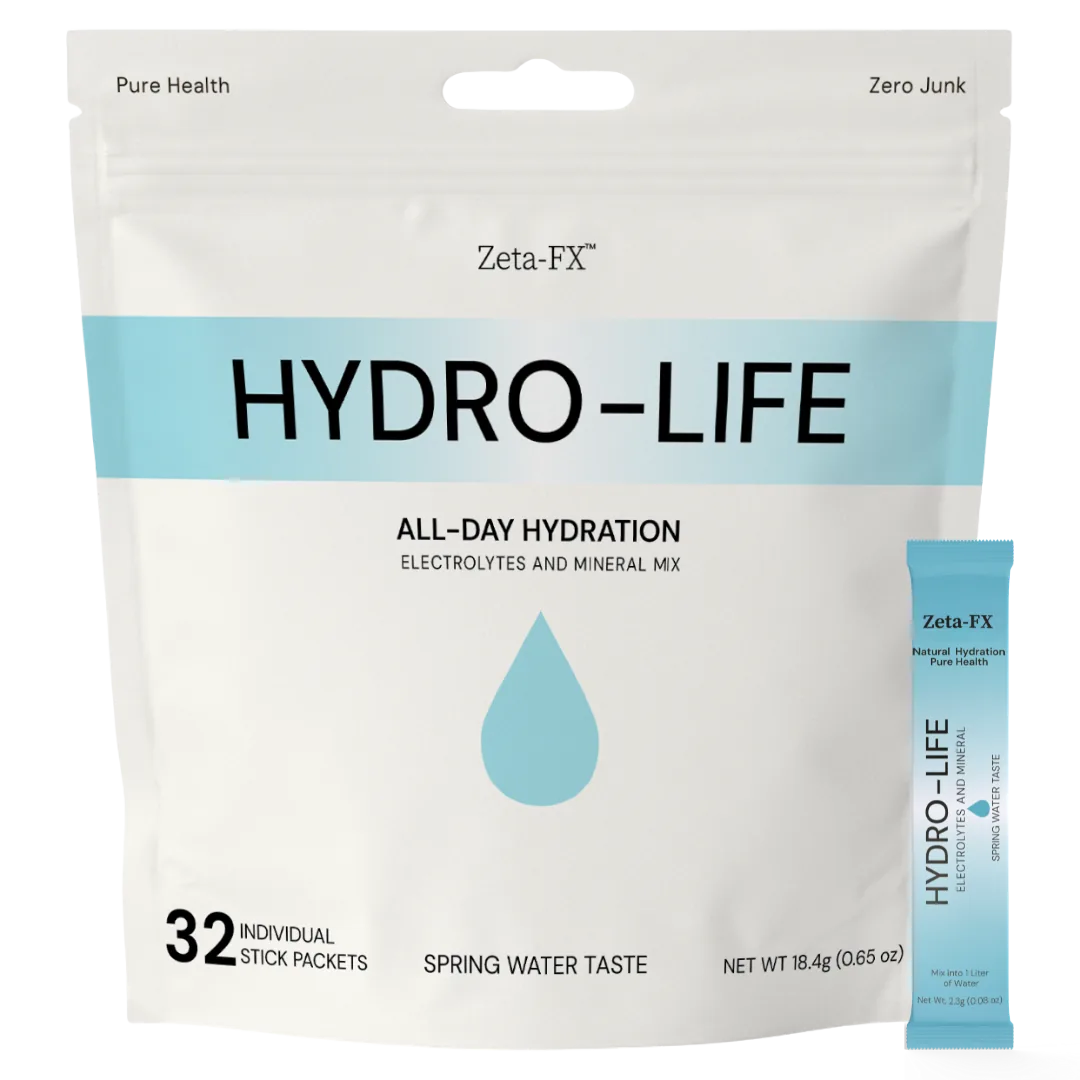
Potassium
Hydro-Life
ZetaFX
$29.99
A drink mix of potassium citrate and potassium bicarbonate, with MSM and taurine.
- Serving: 1 packet (2.3 g) · 32 packets
- Potassium 451 mg, total across both potassium salts · MSM 1,000 mg · taurine 100 mg
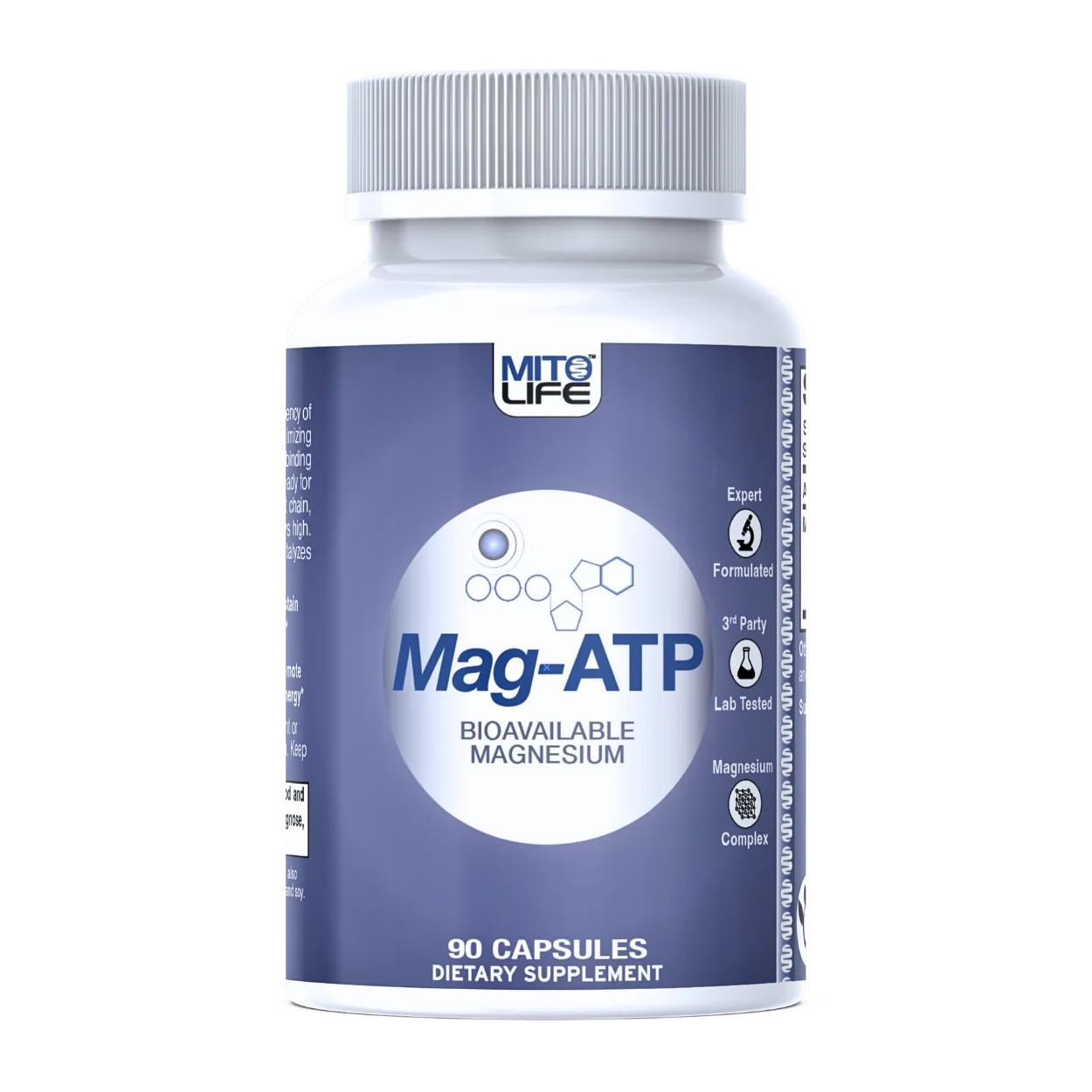
Magnesium
Mag-ATP
MitoLife
$21.25 with the code · $25 retail
Magnesium as bisglycinate chelate and taurate.
- Serving: 3 capsules · 30 servings
- Magnesium 300 mg, as magnesium bisglycinate chelate and magnesium taurate
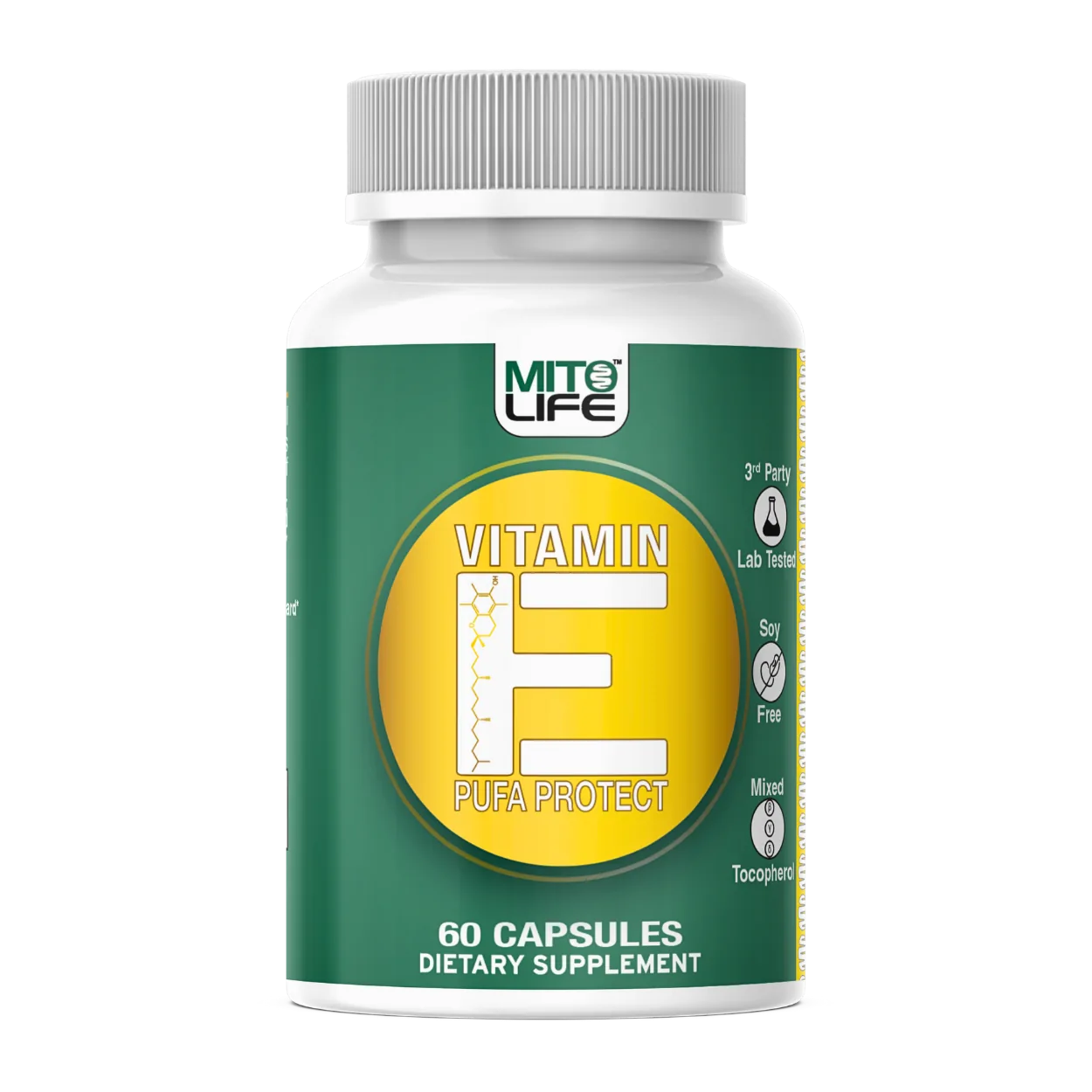
Vitamin E, the complete form
PUFA Protect
MitoLife
$42.50 with the code · $50 retail
Vitamin E with all four tocopherols: alpha, beta, gamma and delta.
- Serving: 1 capsule · 60 capsules
- Vitamin E 335 mg, as d-alpha-tocopherol (826.95 IU) · mixed tocopherols 375.47 mg
- d-beta-tocopherol 3.88 mg · d-gamma-tocopherol 27.17 mg · d-delta-tocopherol 9.42 mg
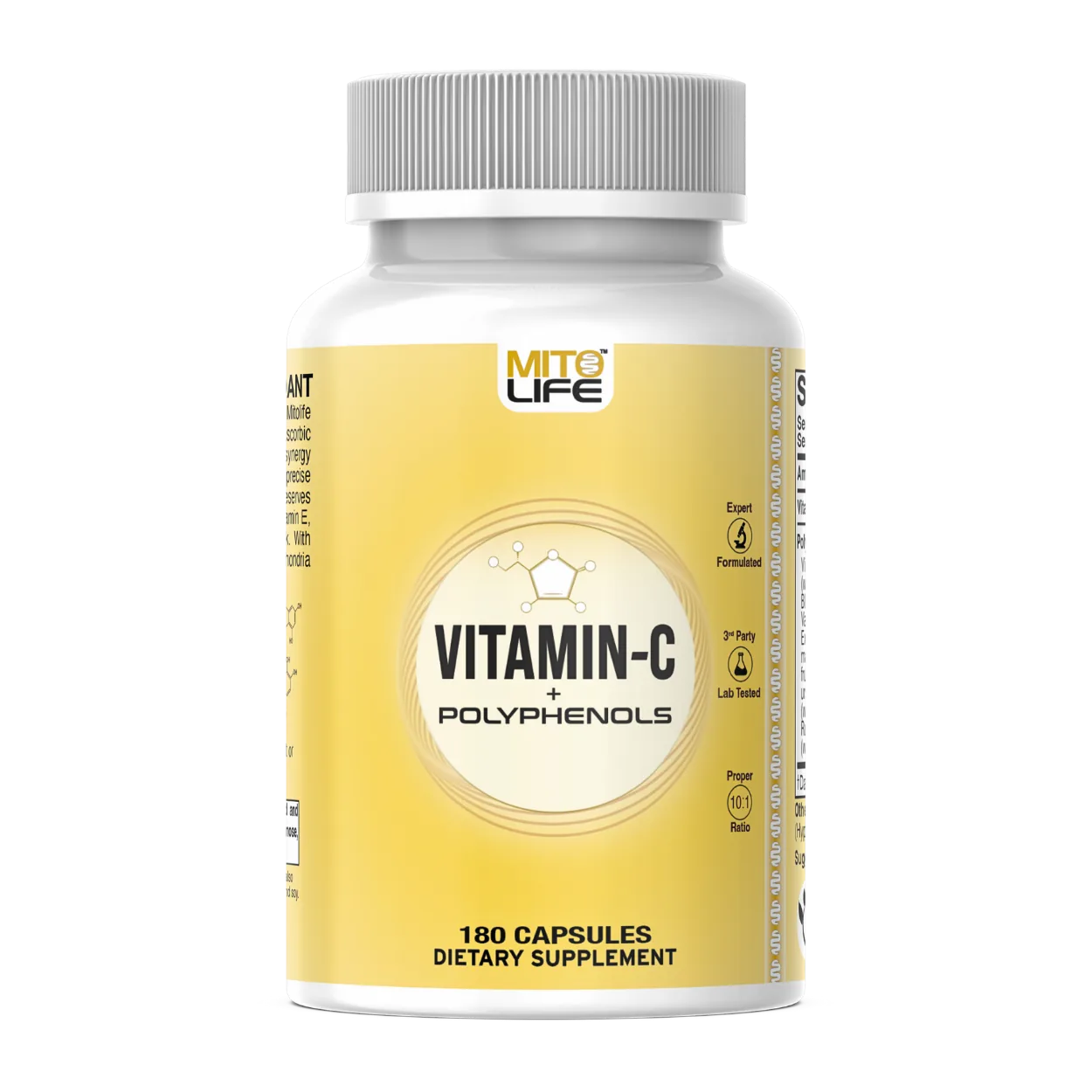
Vitamin C
Vitamin C with Polyphenols
MitoLife
$25.50 with the code · $30 retail
Vitamin C as ascorbic acid, with a whole grape and berry polyphenol extract.
- Serving: 2 capsules · 90 servings
- Vitamin C 800 mg, as ascorbic acid · Polyphenol-C 80 mg (whole grape extract with blueberry, cranberry, blackberry, raspberry and strawberry)
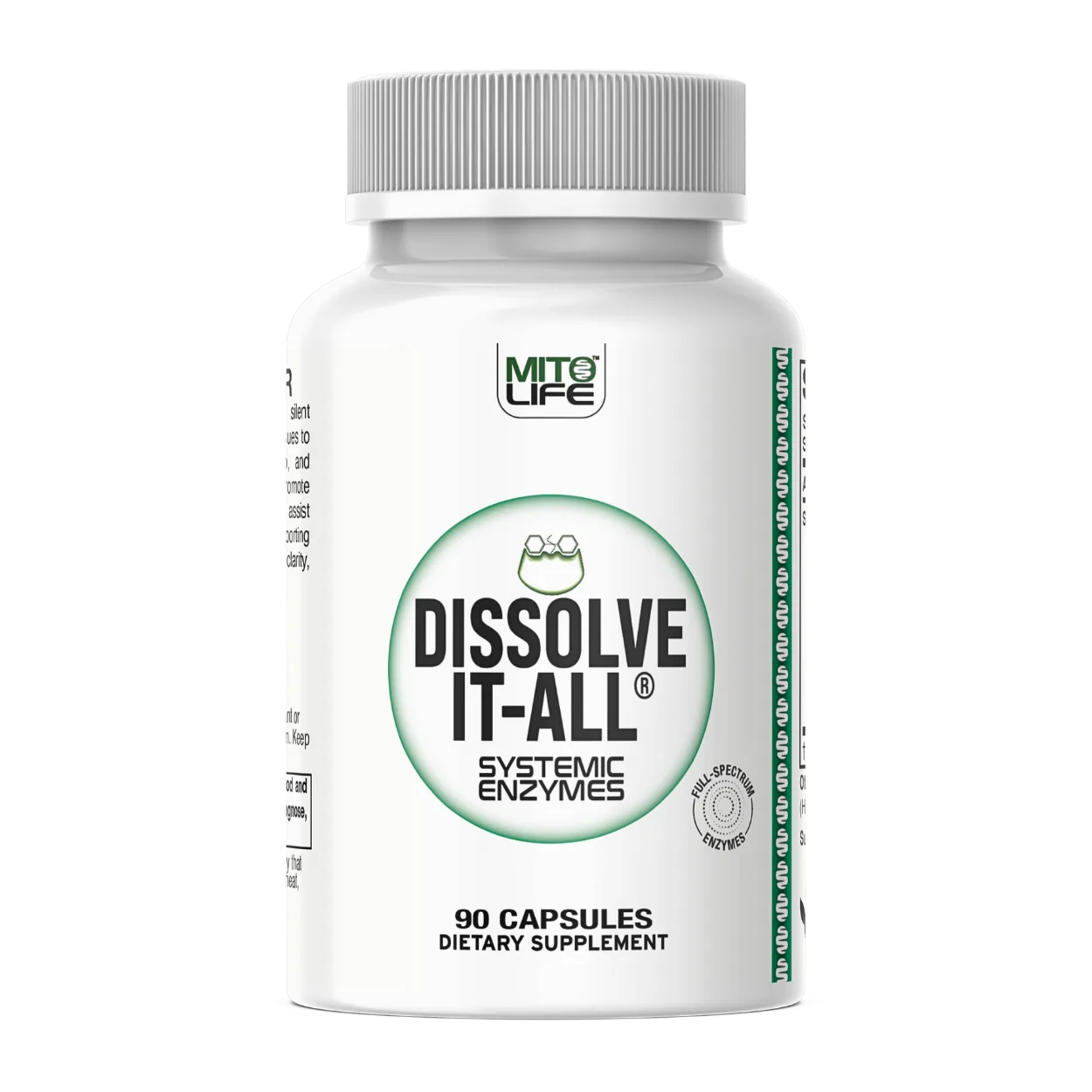
Nattokinase
Dissolve-It-All
MitoLife
$51 with the code · $60 retail
A systemic enzyme blend that includes nattokinase.
- Serving: 1 capsule · 90 capsules
- Systemic enzyme blend 500 mg: serrapeptase 80,000 u · nattokinase 2,000 FU · bromelain 15 GDU · papain 5 TU · lipase 1,000 FIP
- Protease alkaline 40,500 PC · protease fungal 5,000 HUT · rutin 25 mg · amla 25 mg
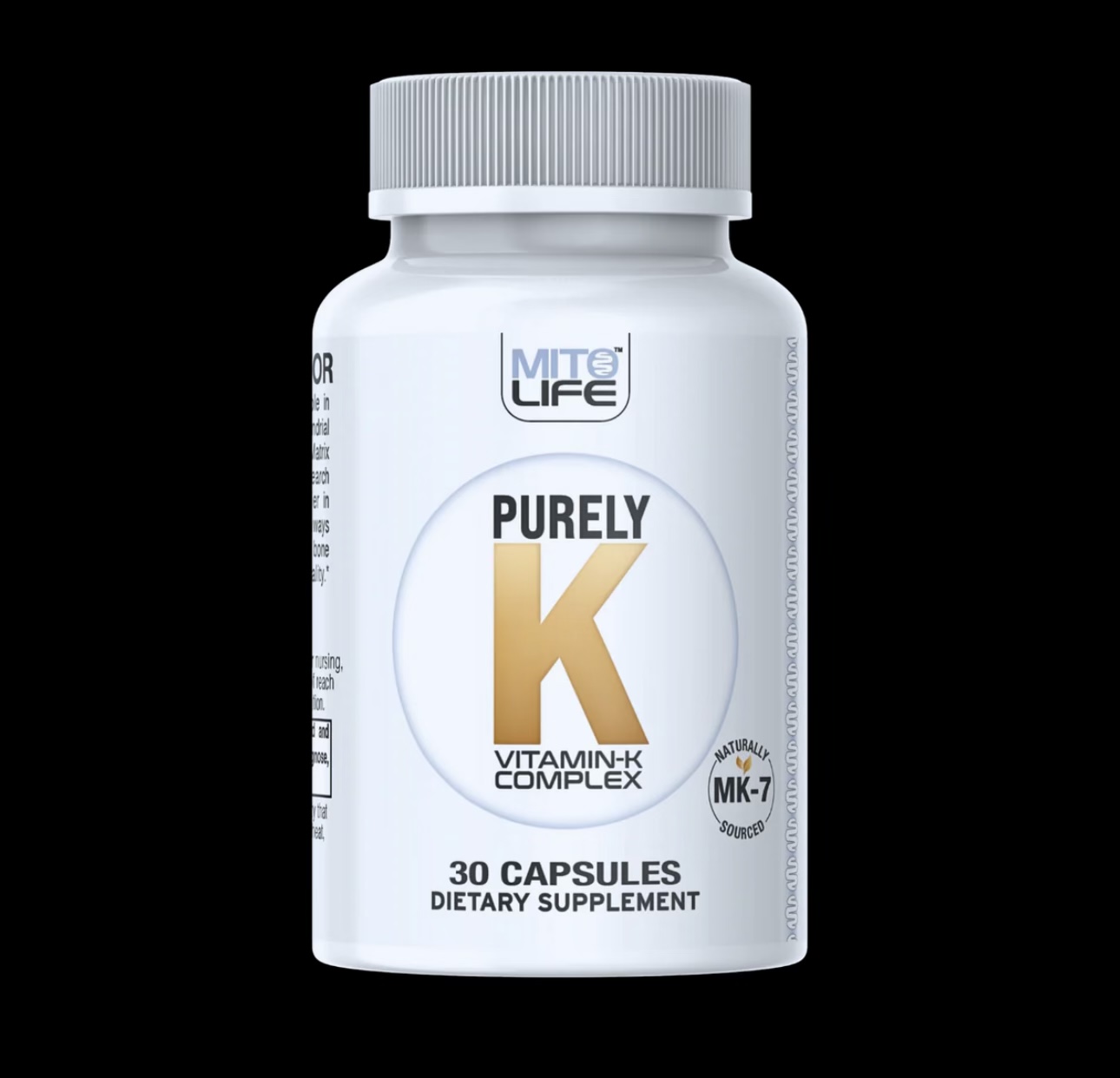
Vitamin K
Purely-K
MitoLife
$42.50 with the code · $50 retail
Vitamin K in three forms: K1, MK-4 and MK-7.
- Serving: 1 capsule · 30 capsules
- Vitamin K1 (phytomenadione) 1,000 mcg · vitamin K2 as MK-4 2,000 mcg · vitamin K2 as MK-7 400 mcg
Prices are the stores’. Each button opens the maker’s store to complete your order; the code is pasted at checkout on the MitoLife products. We earn a commission when you buy through these links, at no cost to you. Products are not intended to diagnose, treat, cure or prevent any disease.
See where your own numbers sit in The Lab Atlas, or start from the base in the Simple Stack.
Why the labs look off
The food changed. The test does not show the cell.
USDA food-composition records for 43 garden crops showed measurable declines in several minerals and in protein between 1950 and 1999.70 UK records show substantial declines in several minerals in fruits and vegetables across nearly 80 years,71 a review of food composition tables from 1940 to 2002 reports declining mineral content in foods,72 and a review documents a 25-50% decline in the mineral content of commercial crops over 50 to 70 years.73
A blood test reads what circulates. Intracellular potassium deficiency can occur despite a normal serum potassium,27 and serum magnesium, under 1% of body stores, can look normal despite depletion, with intracellular measures better reflecting status.74 In adults over 65, red blood cell magnesium testing detected cellular depletion despite normal serum levels.75
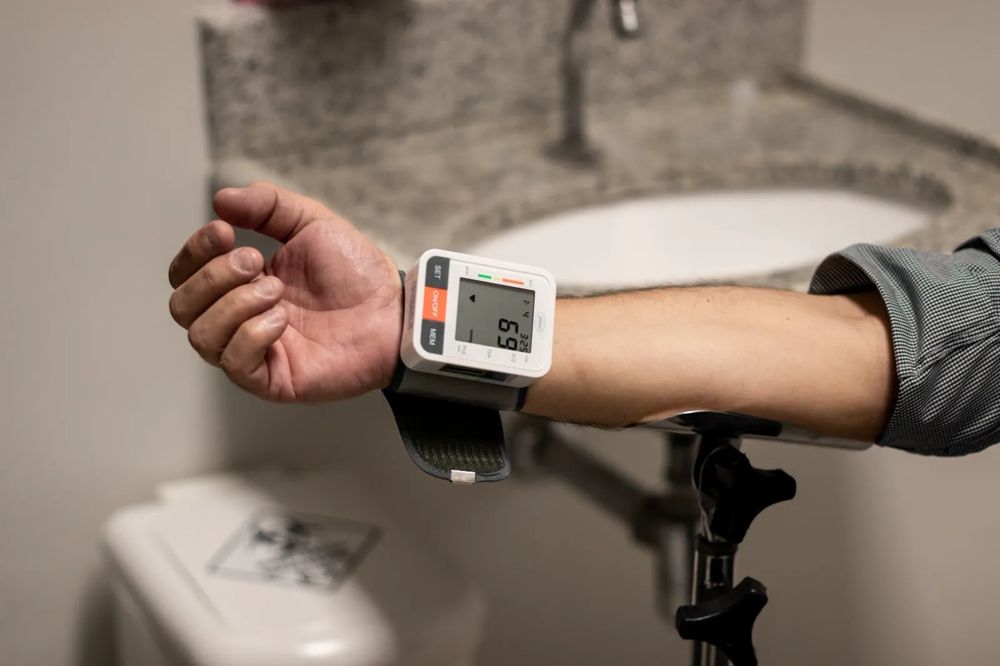
Light-based measurement reads status in tissue the way a pulse oximeter reads oxygen: a finger-clip oximeter uses red and infrared light.76 How that works for nutrients is on Nutrition Diagnostics.

The labs are not off because you are missing a medication.
They are off because the cells of your heart, your arteries and your kidneys are missing the minerals and vitamins they run on. $212.74 for all six with the codes.
Cardiovascular disease is the leading cause of death in the United States and worldwide. Human trials tie blood pressure, plaque and clotting to potassium and the sodium balance, magnesium, vitamin E, vitamin C, nattokinase and vitamin K2, and most adults fall short of the potassium target.
Heart and vessels: the common questions
What causes high blood pressure?
Blood pressure is tied to the balance of potassium and sodium and to the health of the vessel lining. In more than 10,000 US adults, higher sodium, lower potassium and a higher sodium-to-potassium ratio were each associated with higher blood pressure and hypertension odds. Pooling 32 randomized trials, higher potassium intake produced a dose-dependent reduction in blood pressure, and across 34 trials magnesium supplementation was associated with modest reductions.
How much potassium do you need a day, and do most adults get it?
The Adequate Intake today is 3,400 mg for men and 2,600 mg for women. In NHANES 2017-2018 only about a quarter of adults reached it, and in NHANES 2009-2010 average US intake was 2,640 mg against the 4,700 mg Adequate Intake then in force, with fewer than 1% of females and fewer than 25% of males reaching it on the reporting day.
What is the glycocalyx?
The endothelial glycocalyx is a carbohydrate layer on blood vessel walls. It senses blood flow to trigger vasodilation, regulates vascular permeability and blood pressure, and works with the epithelial sodium channel as a shear stress sensor. High cholesterol, atherosclerosis and obesity break it down, and in 120 patients with atherosclerotic cardiovascular disease higher glycocalyx-shedding markers went with disease severity on coronary and carotid imaging.
What is ApoB?
ApoB-containing lipoproteins are the particles that carry cholesterol through the blood. Their retention and modification in the artery wall are crucial early events in atherosclerosis, and the wall they are trapped in is one where flow is low or turbulent and endothelial permeability and oxidative stress are increased.
Is there a good cholesterol and a bad cholesterol?
Cholesterol is carried, and the harm is in the particle that has been oxidized in the wall. HDL protects by driving reverse cholesterol transport, removing excess cholesterol from tissues for excretion via the liver and bile, while atherosclerosis is driven by oxidized LDL particles in the artery wall, which macrophages take up to form foam cells.
How do you lower cholesterol naturally?
The trials on file measured cholesterol markers directly. In a 5-week trial of 39 healthy adults, gamma-tocopherol at 100 mg a day reduced LDL cholesterol; vitamin C at 1,000 mg a day improved cholesterol and endothelial function markers in diabetic patients; and in a 12-month study of 1,062 people taking nattokinase, lipid and artery measures improved.
What does the research tie to lower cardiovascular risk?
Higher dietary and serum magnesium were each associated with lower risk of cardiovascular events in a meta-analysis of 19 prospective cohorts. Higher potassium intake was linked with a 24% lower stroke risk across 22 randomized trials, a higher sodium-to-potassium ratio went with a 10% higher risk of cardiovascular events across 24 studies, and higher dietary menaquinone intake went with 57% lower coronary heart disease mortality over 10 years in 4,807 adults.
Why does the form of vitamin E matter?
Vitamin E is a family of molecules. Alpha-tocopherol is a chain-breaking antioxidant, and 800 IU a day increased LDL oxidation resistance in healthy adults. A gamma-tocopherol-rich supplement improved brachial artery flow-mediated dilation in young smokers, and 84% of US adults fell below the estimated average requirement for vitamin E in NHANES 2005-2016.
Is nattokinase safe?
In a clinical study, nattokinase decreased plasma fibrinogen, factor VII and factor VIII in human subjects without significant adverse events. Nattokinase and vitamin K2 both act on clotting, and vitamin K interacts with warfarin. Nattokinase, vitamin K2 and high-dose vitamin E are the three in this stack that interact with blood thinners, so anyone on a blood thinner tells the prescriber who manages it before adding any of them.
Does vitamin K2 remove plaque?
The trials measured how fast calcium builds up in the coronary arteries, and K2 slowed it. A meta-analysis found vitamin K2 slowed coronary calcification progression, a two-year placebo-controlled trial of menaquinone-7 found roughly 29% less progression of coronary artery calcification, and in 398 patients with severe coronary artery calcification, 24 months of vitamin K2 plus D3 reduced calcium score progression versus placebo.
Why would my labs look off when I eat well?
What is on the plate has changed, and a blood test reads what circulates, not what is inside the cells. USDA records for 43 garden crops showed declines in several minerals and in protein between 1950 and 1999, intracellular potassium deficiency can occur despite a normal serum potassium, and serum magnesium, under 1% of body stores, can look normal despite depletion.
What does potassium do for the kidneys?
Potassium regulates cell membrane potential and controls sodium reabsorption in the kidney's distal nephron. Higher dietary potassium was associated with lower odds of chronic kidney disease across 104 studies, and higher urinary potassium excretion with slower age-related decline in kidney function.
Every study on this page
Read them yourself.
All 76, grouped and numbered. Every marker above jumps to its entry here.
Cardiovascular disease is the leading cause of death4 studies · 1–4
- 1The burden of cardiovascular diseases among us states, 1990-2016 ; La carga de las enfermedades cardiovasculares entre nosotros estados, 1990-2016 (2018)Source
- 2Ischemic Heart Disease (2013)DOI
- 3Global, regional, and national burden of stroke and its risk factors, 1990–2019: a systematic analysis for the Global Burden of Disease Study 2019 (2021)PubMed
- 4Global Burden of Stroke (2018)PubMed
Where plaque starts: low flow, a damaged lining, trapped particles5 studies · 5–9
- 5Low or oscillatory shear stress and endothelial permeability in atherosclerosis (2024)PubMed
- 6Endothelial mechanobiology in atherosclerosis (2023)PubMed
- 7Metabolism and Modification of Apolipoprotein B-Containing Lipoproteins Involved in Dyslipidemia and Atherosclerosis (2015)PubMed
- 8Endothelial permeability, LDL deposition, and cardiovascular risk factors—a review (2017)PubMed
- 9Blood rheology, cardiovascular risk factors, and cardiovascular disease: The West of Scotland Coronary Prevention Study (2000)Source
Potassium and blood pressure5 studies · 10–14
- 10Potassium Intake and Blood Pressure: A Dose-Response Meta-Analysis of Randomized Controlled Trials (2020)Source
- 11Effect of increased potassium intake on cardiovascular risk factors and disease: systematic review and meta-analyses (2013)PMC
- 12Oral potassium supplementation for management of essential hypertension: A meta-analysis of randomized controlled trials (2017)PubMed
- 13The effect of potassium supplementation on blood pressure in hypertensive subjects: A systematic review and meta-analysis (2017)PubMed
- 14Magnesium and Potassium Supplementation for Systolic Blood Pressure Reduction in the General Normotensive Population: A Systematic Review and Subgroup Meta-Analysis for Optimal Dosage and Treatment Length (2024)PubMed
The sodium-to-potassium balance4 studies · 15–18
- 15Estimated Dietary Na+/K+-Ratio and Cardiovascular Disease: A Systematic Review and Meta-Analysis (2025)DOI
- 16Sex-specific associations between sodium and potassium intake and overall and cause-specific mortality: a large prospective U.S. cohort study, systematic review, and updated meta-analysis of cohort studies (2024)PubMed
- 17Association between Usual Sodium and Potassium Intake and Blood Pressure and Hypertension among U.S. Adults: NHANES 2005–2010 (2013)PubMed
- 18Association between the Urinary Sodium to Potassium Ratio and Blood Pressure in Adults: A Systematic Review and Meta-Analysis (2021)PubMed
Most adults do not get enough potassium4 studies · 19–22
- 19Potassium Intake of the U.S. Population: What We Eat in America, NHANES 2009-2010 (2012)PubMed
- 20Potassium Intake of the U.S. Population: What We Eat in America, NHANES 2017-2018 (2022)PubMed
- 21Sodium and potassium intakes among US adults: NHANES 2003–2008 (2012)DOI
- 22Global mean potassium intake: a systematic review and Bayesian meta-analysis (2023)PubMed
Potassium, the kidney and the cell5 studies · 23–27
- 23A New Understanding of Potassium's Influence Upon Human Health and Renal Physiology (2023)PubMed
- 24[Regulation of kidney on potassium balance and its clinical significance] (2023)PubMed
- 25Modifiable Lifestyle Factors for Primary Prevention of CKD: A Systematic Review and Meta-Analysis (2021)PubMed
- 26Urinary Potassium and Kidney Function Decline in the Population-Observational Study (2021)PubMed
- 27Potassium Homeostasis and the Systemic Consequences of Intracellular Potassium Deficiency: From Molecular Mechanisms to Clinical Manifestations (2026)PubMed
Stress, potassium and magnesium5 studies · 28–32
- 28Effect of chronic stress and sleep deprivation on both flow‐mediated dilation in the brachial artery and the intracellular magnesium level in humans (2004)PubMed
- 29Glucocorticoid activity and metabolism with NaCl-induced low-grade metabolic acidosis and oral alkalization: results of two randomized controlled trials (2016)PubMed
- 30Dietary electrolytes are related to mood (2008)PubMed
- 31Magnesium Status and Stress: The Vicious Circle Concept Revisited (2020)PubMed
- 32Oral Mg(2+) supplementation reverses age-related neuroendocrine and sleep EEG changes in humans (2002)PubMed
Magnesium and the heart5 studies · 33–37
- 33Effects of Magnesium Supplementation on Blood Pressure: A Meta-Analysis of Randomized Double-Blind Placebo-Controlled Trials (2016)PubMed
- 34Magnesium Supplementation and Blood Pressure: A Systematic Review and Meta-Analysis of Randomized Controlled Trials (2025)Source
- 35Magnesium and the Risk of Cardiovascular Events: A Meta-Analysis of Prospective Cohort Studies (2013)PubMed
- 36Quantitative Association Between Serum/Dietary Magnesium and Cardiovascular Disease/Coronary Heart Disease Risk: A Dose–Response Meta-analysis of Prospective Cohort Studies (2019)DOI
- 37Oral magnesium supplementation improves endothelial function and attenuates subclinical atherosclerosis in thiazide-treated hypertensive women (2017)PubMed
The glycocalyx, the lining of the vessel6 studies · 38–43
- 38Endothelial Glycocalyx (2022)PubMed
- 39Mechanosensing at the vascular interface (2014)PubMed
- 40Rapid shear stress-dependent ENaC membrane insertion is mediated by the endothelial glycocalyx and the mineralocorticoid receptor (2022)PubMed
- 41Impairment of endothelial glycocalyx in atherosclerosis and obesity (2023)PubMed
- 42ROLE OF ENDOTHELIAL GLYCOCALYX DISRUPTION IN ATHEROSCLEROSIS PROGRESSION (2025)DOI
- 43Potassium softens vascular endothelium and increases nitric oxide release (2009)PubMed
Cholesterol is a carrier4 studies · 44–47
- 44Cholesterol and Lipoprotein Metabolism and Atherosclerosis: Recent Advances in Reverse Cholesterol Transport (2017)PubMed
- 45Why is LDL‐cholesterol bad cholesterol? (2008)DOI
- 46[Dyslipidemia and atherosclerosis] (2011)PubMed
- 47Lipid Oxidation Products and the Risk of Cardiovascular Diseases: Role of Lipoprotein Transport (2024)PubMed
Vitamin E, the complete form7 studies · 48–54
- 48Vitamin E function and requirements in relation to PUFA (2015)PMC
- 49Effects of vitamin E depletion/repletion on biomarkers of oxidative stress in healthy aging (2004)PubMed
- 50γ-Tocopherol-rich supplementation additively improves vascular endothelial function during smoking cessation (2013)PubMed
- 51Supplementation of a γ-tocopherol-rich mixture of tocopherols in healthy men protects against vascular endothelial dysfunction induced by postprandial hyperglycemia (2013)PubMed
- 52Effects of gamma-tocopherol supplementation on thrombotic risk factors (2007)PubMed
- 53Inadequacy of Immune Health Nutrients: Intakes in U.S. Adults, the 2005-2016 NHANES (2020)DOI
- 54Vitamin E: Recommended Intake (2021)DOI
Vitamin C and the oxidative load4 studies · 55–58
- 55Vitamin C supplementation showed greater effects on systolic blood pressure in hypertensive and diabetic patients: an updated systematic review and meta-analysis of randomised clinical trials (2023)PubMed
- 56Vitamin C intake potentially lowers total cholesterol to improve endothelial function in diabetic patients at increased risk of cardiovascular disease: A systematic review of randomized controlled trials (2022)DOI
- 57Vascular benefits of vitamin C supplementation against fine particulate air pollution in healthy adults: A double-blind randomised crossover trial (2022)PubMed
- 58Antioxidant supplementation enhances antioxidant capacity and mitigates oxidative damage following acute ischaemic stroke (2005)PubMed
Nattokinase and the clot5 studies · 59–63
- 59Nattokinase decreases plasma levels of fibrinogen, factor VII, and factor VIII in human subjects (2009)PubMed
- 60Effects of Nattokinase fibrinol supplementation on Fibrinolysis and Atherogenesis (2009)DOI
- 61Consumption of nattokinase is associated with reduced blood pressure and von Willebrand factor, a cardiovascular risk marker: results from a randomized, double-blind, placebo-controlled, multicenter North American clinical trial (2016)DOI
- 62Effective management of atherosclerosis progress and hyperlipidemia with nattokinase: A clinical study with 1,062 participants (2022)PubMed
- 63Natto consumption suppresses atherosclerotic plaque progression in LDL receptor-deficient mice transplanted with iRFP-expressing hematopoietic cells (2023)PubMed
Vitamin K2 and where the calcium goes6 studies · 64–69
- 64Vitamin K2 (MK-7) and coronary artery calcification, meta-analysisPubMed
- 65Two years of menaquinone-7 supplementation and coronary artery calcification: a randomized clinical trial (2026)Source
- 66Vitamin K2 and D3 Supplementation in Patients With Severe Coronary Artery Calcification: The DANCODE Trial (2026)PubMed
- 67Menaquinone-7 supplementation improves arterial stiffness in healthy postmenopausal women: double-blind randomised clinical trial (2015)PubMed
- 68Dietary intake of menaquinone is associated with a reduced risk of coronary heart disease: the Rotterdam Study (2004)PubMed
- 69Vitamin K professional fact sheet (2024)Source
The food changed4 studies · 70–73
- 70Changes in USDA food composition data for 43 garden crops, 1950 to 1999 (2004)PubMed
- 71Historical changes in the mineral content of fruit and vegetables in the UK from 1940 to 2019: a concern for human nutrition and agriculture (2021)Source
- 72The mineral depletion of foods available to us as a nation (1940-2002)--a review of the 6th Edition of McCance and Widdowson (2007)PubMed
- 73An Alarming Decline in the Nutritional Quality of Foods: The Biggest Challenge for Future Generations' Health (2024)PubMed
A blood test is not the cell3 studies · 74–76
Education only, not medical advice. Nothing here diagnoses, treats, cures or prevents any disease. Study citations are nutrient science, not claims about any product.