Cell · Detox

Heavy metals: fact or fiction.

Almost every newborn arrives carrying lead and mercury. A normal blood test cannot see what your bones are holding. Eight questions, answered from the studies.

Get ZeoCharge
CELLWELLpaste at checkout

$59 · 30 servings · about $1.97 a scoop

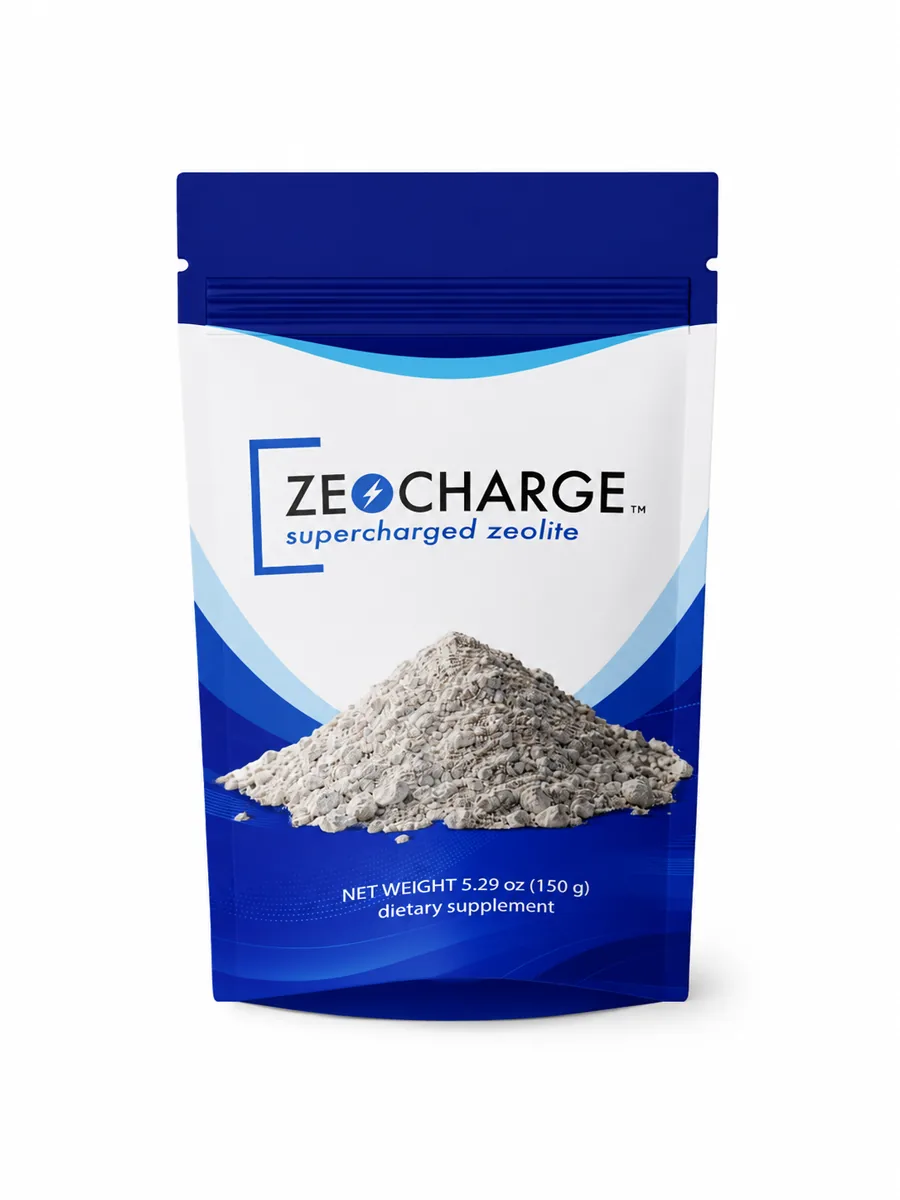
ZeoCharge supercharged zeolite, 150 g bag

$1.97 a scoop

Get it
CELLWELLpaste at checkout
Read it here

What it is

Clinoptilolite. A cage with a charge.

ZeoCharge is one ingredient: clinoptilolite zeolite, a volcanic mineral, 5 grams a scoop in 8 ounces of water, 30 scoops a bag. The maker cleans the raw mineral, re-mineralizes it with calcium, potassium, magnesium and sodium, grinds it fine and says each lot is third-party tested. Ask for the certificate of analysis. On this page you will see why that document matters more than any label.

The crystal is a lattice of tiny cages that carry a negative charge. It holds light minerals loosely and trades them for metal ions it grips more tightly. In healthy adults, purified clinoptilolite taken with a lead tracer cut lead uptake from the gut by about 90 percent.89 In a double-blind trial of 80 adults with lead poisoning, zeolite tablets added to standard care lowered serum lead further than standard care alone over two weeks.90 Eleven healthy men excreted more metals in urine over 7 to 30 days with no change in serum electrolytes.91

Two things to carry with that. In a different certified zeolite, blood lead rose at first and fell only with continued use.92 And of eleven commercial “clinoptilolite” powders tested, some carried arsenic and lead, and four held no clinoptilolite at all.93 The binder is the last step. The first two are below.

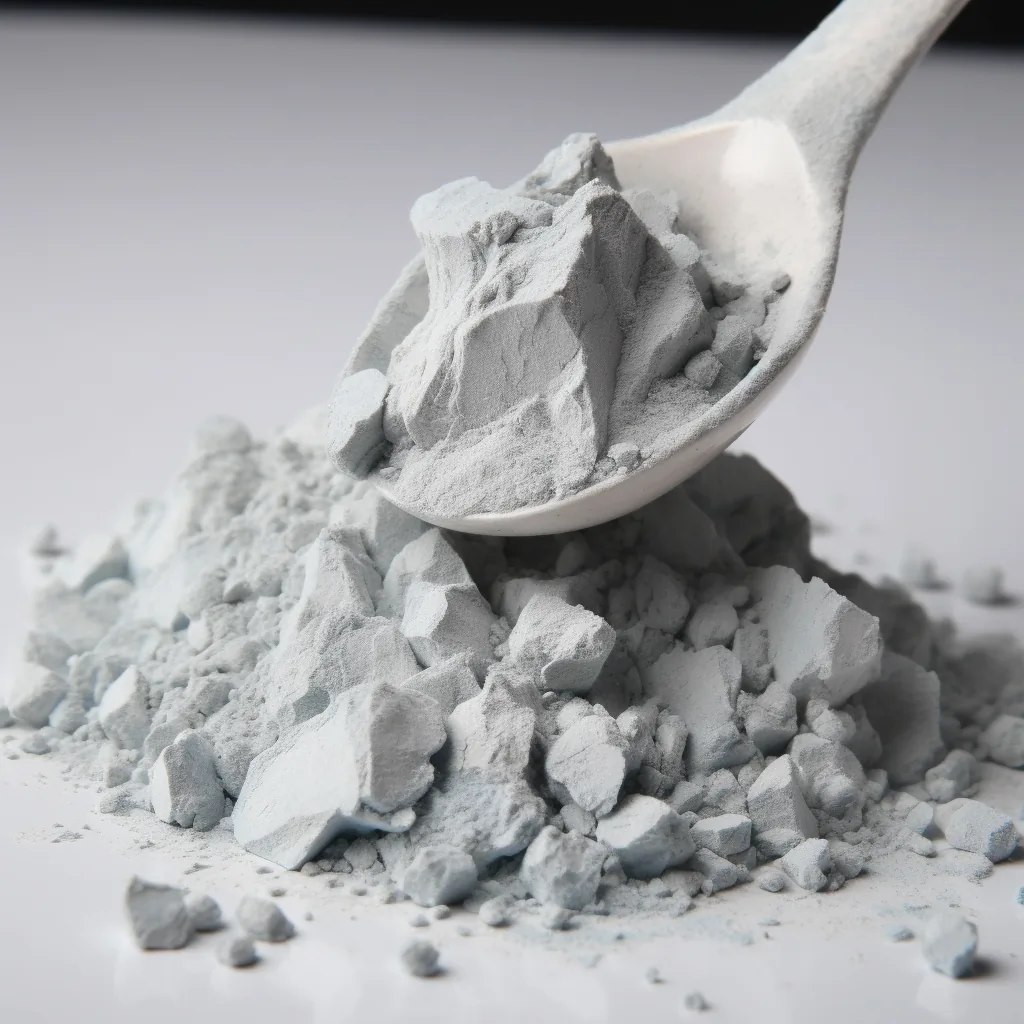
Clinoptilolite zeolite powder on a spoon

Fact or fiction

Twelve questions people actually ask.

In their words, from search boxes and forums. Every answer is a numbered human study you can open at the foot of the page.

Question 1FICTION

“If my blood test is normal, I don't have heavy metals.”

Blood lead has a half-life of 25 to 30 days, so blood shows the last few weeks.1 Lead then moves into bone, where about 90 percent of the body’s lead sits for decades by mimicking calcium.6 Cadmium lives in the kidney with a half-life of 16 to 30 years.2 Hair is only trusted for arsenic and methylmercury,3 and for mercury, blood beats urine.4

The “provoked” urine test, a chelator and then a collection, “has not been scientifically validated, has no demonstrated benefit, and may be harmful.”5 Heavy metals are not on a standard panel. They are ordered separately: blood for lead and mercury, urine for cadmium and arsenic.
Question 2FICTION

“All metals are bad for your body.”

Your body runs on metals. Iron carries oxygen. Zinc builds testosterone, sperm and immune cells. Copper and selenium run the enzymes that clear free radicals. Magnesium powers every unit of energy a cell makes. The toxic metals do their damage by taking those seats: calcium, iron and zinc deficiency are the major risk factors for lead toxicity in children,7 and adequate zinc lowers cadmium uptake and harm while zinc deficiency raises both.8

Lead, cadmium, mercury and arsenic have no job in the body at any level.

Question 3FICTION

“All heavy metals affect your body the same way.”

Each one takes a different seat. Lead takes calcium and iron: bone, blood and brain. Children with blood lead over 10 µg/dL averaged an IQ of 82.7 against 96.1,6 and lead at that level went with anemia and lower iron.66 Cadmium takes zinc: kidney, bone and testes. Women near zinc smelters had lower bone density and more fractures at everyday cadmium levels,10 and urinary cadmium went with abnormal sperm in exposed men.45

Mercury binds selenium: thyroid, brain and immune system. Lead and mercury went with lower free T3 in pregnancy,41 and childhood mercury lowered an immune signal most where selenium was low.73 Aluminum crowds iron: a low-aluminum dialysate reversed anemia in dialysis patients.11 Arsenic disrupts hormones and fertility in both sexes.12

Question 4FACT

“Heavy metals are found in healthy foods.”

Potatoes, bread, chocolate and leafy vegetables are the main cadmium sources in the European diet.13 Half a cup of cooked rice a day gave pregnant US women as much arsenic as a litre of water at the legal limit,14 infants on rice cereal had higher urinary arsenic,15 and over a third of UK baby rice exceeded China’s limit.16

Adults eating seafood 20 or more times a month carried nearly four times the blood mercury.17 In 416 adolescents, fish went with higher lead, arsenic and cadmium, and leafy greens with higher lead.18 Protein supplements carried lead or arsenic.19 Rotate grains, rinse rice, choose small fish, and buy from makers who publish their metal testing.

Question 5FACT

“Osteoporosis releases lead stored in bones.”

In 2,981 women, blood lead rose after menopause as bone turned over.20 Bone also gives up lead in pregnancy and breastfeeding, and calcium cut both blood lead and the lead passed into milk;21 in a randomized trial, calcium lowered blood lead in pregnancy by about 11 percent.22

Higher bone lead went with menopause 1.2 years earlier,23 and in 3,798 women higher blood lead went with higher FSH, lower bone density and more fractures.24 The lead you absorbed decades ago comes back at exactly the age your bones can least afford it.

Question 6FICTION

“Heavy metals cannot cross the placenta.”

In 104 mother-newborn pairs, mercury crossed and ran higher in the baby than in the mother.25 Cord blood mercury ran about twice maternal blood in a Japanese cohort.26 In 569 Bangladeshi pairs, cord aluminum and iron contributed most to lower cognitive scores in early childhood.27

Across 68 studies and 215,195 people, prenatal lead and mercury most consistently harmed cognitive and motor development,28 and prenatal lead raised preterm birth.29 More dietary calcium and vitamin D in pregnancy went with lower cord lead.30

Question 7FACT

“Do vaccines contain metals?”

Aluminum salts are the adjuvant in many childhood vaccines, capped by federal rule at 0.85 mg a dose and adding up to about 4 mg over the first six months (public records below). The total an infant receives was modeled from an adult retention curve, never measured in infants over time. In 326,991 children, each extra milligram before age two went with a rise in persistent asthma.31

So does your antacid, foil and deodorant. An aluminum antacid carries 104 to 208 mg a dose; years of it put aluminum into bone in a patient with normal kidneys,33 and it blocks calcium absorption.34 Swapping aluminum pots for steel lowered serum and urine aluminum in 42 kidney patients in three months.32 Aluminum ran higher in breast tissue near the armpit in some studies.35 How much gets in depends on the chemical form.36

Question 8FACT

“The older I am, the more heavy metals I carry.”

In older adults up to centenarians, blood lead and urine cadmium rose with age.37 In over 7,000 US adults, cadmium tracked with faster biological aging, and selenium, the mineral it crowds, with slower.38 In 15,450 US adults, blood cadmium and lead went with chronic kidney disease, most of all in older adults.39

Anyone who grew up with leaded gasoline and lead paint carries more, and it is in the bone now.

Question 9FACT

“Do heavy metals affect my hormones?”

Thyroid. A mixture of PFAS, metals and phthalates more than doubled the odds of thyroid disease, with cadmium and lead among the largest contributors.40 Lead and mercury went with lower free T3 in pregnancy, while magnesium and selenium went with healthy levels.41 In Hashimoto’s, cadmium was toxic to thyroid status and the copper-selenium balance set function.42 Cadmium and mercury shifted thyroid hormones in pregnant women.43

Stress and sex hormones. Lead flattens the morning cortisol and heightens the stress spike.44 Metal-exposed infertile men had lower FSH and testosterone;45 fertile men had higher testosterone and lower lead, with selenium and magnesium protective.46 Women with PCOS carried more cadmium, lead and mercury and less zinc and copper.47 In 5,492 women, metals altered reproductive hormones across the lifespan.48

Question 10FACT

“Could my anxiety, low mood or brain fog be heavy metals?”

In 8,565 US adults, blood cadmium was the strongest driver of the metals-and-depression link, raising the odds 46 percent.49 Across 45 studies, lead tracked most consistently with depression and cognitive impairment, mercury with anxiety.50 Childhood lead and ADHD: 66 studies, consistent.51 Blood lead and aluminum went with dementia risk.52

The minerals the metals push out are the ones that protect. Cadmium and lead raised a nerve-damage marker while manganese and selenium lowered it, and that marker explained cadmium’s cognitive cost after 60.53 Selenium weakened lead’s grip on cognition in 1,000 older adults.54 In children, cadmium and arsenic lowered intellectual function while manganese, selenium and molybdenum protected,55 and in 6,795 adults calcium, iron, magnesium and selenium offset cadmium’s memory loss.56

Question 11FACT

“Do heavy metals affect fertility?”

Men. Men with poor sperm counts carried more lead and cadmium in blood and semen and less vitamin C.57 Infertile men had more cadmium and poorer semen.58 Seminal lead ran higher in infertile men,59 and metal-exposed men had lower testosterone and abnormal sperm shape.45

Women. In 396 women starting IVF, higher lead went with worse embryo quality and higher magnesium and calcium with better.60 Higher cadmium went with miscarriage before 12 weeks.61 Women with recurrent loss carried more lead and cadmium and less zinc and vitamin E,62 and in 48 of them, more copper, chromium and lead and less zinc, iron and B12.63 Infertile women carried more mercury and less selenium.64

Question 12FACT

“I'm tired all the time. Could it be heavy metals?”

Blood. Lead blocks the enzymes that build hemoglobin. In 384 children near a lead plant, more lead meant lower ferritin and hemoglobin;65 in 11,541 children lead raised anemia risk and iron lowered it;67 in 2,550 Inuit adults, unexplained anemia tracked with blood lead.68 US children with iron deficiency had higher cadmium,69 Korean women with iron-deficiency anemia had higher cadmium and lower vitamin D,70 and iron deficiency raises absorption of lead and cadmium, so the hole deepens.71

Immunity and growth. Children in polluted areas had lower selenium and zinc, higher lead, lower thyroid hormone and altered immunity.72 Young adults with higher mercury had more autoimmune antibodies and lower IgM.74 Children with growth retardation had lower calcium, magnesium, zinc and IGF-1 and higher lead,75 and lead went with lower vitamin D, calcium and magnesium in children.76 Lead workers ran higher copper and lower selenium.9

Before the binder

Put the mineral back in its seat.

The seat. Every card above ends the same way: the metal is high and the mineral it mimics is low. Lead takes calcium’s seat: in 4,429 children, blood lead ran opposite to blood calcium.77 Cadmium takes zinc’s: in 3,514 US adults zinc was protective where lead and cadmium raised kidney risk,78 and fertilizer workers high in cadmium and lead ran low in iron and zinc.82 Mercury takes selenium’s: children born to mothers high in mercury and low in selenium had double the odds of below-average development.79 Aluminum answers to silicon: silicic-acid-rich water raised urinary aluminum excretion in two trials.80,81 Fill the seat and the squatter has less to hold.

The membrane. A cell releases only what its membrane can move. Higher lead and cadmium went with lower vitamin E, vitamin C and plant pigments in over 10,000 US adults,83 and a year of vitamins E and C lowered oxidative damage in lead-exposed workers.84 N-acetylcysteine restored glutathione in lead workers,85 with about fifteen human studies behind it.86 Why the form of vitamin E matters.

The exit. Sweat carries arsenic, cadmium, lead and mercury, in some studies as much as urine does.87 Fiber: the lead-and-blood-fat link held only in people eating under 14 grams per 1,000 calories.88 Then the binder, in the gut, last.

Get it here

The binder, mercury’s partner, and the membrane.

ZeoCharge supercharged zeolite, 150 g bag

The binder · Zeolite Labs

ZeoCharge

$59 · 150 g · 30 servings

  • Serving: 1 level scoop (5 g) in 8 oz of water · 30 servings
  • Clinoptilolite zeolite 5 g · Daily Value not established
  • Single ingredient, no other ingredients listed
  • Label as read from the Supplement Facts panel on the bag

About $1.97 a serving, before the 10% code. Take it an hour or more apart from medicines and other supplements.

Get ZeoCharge
CELLWELLpaste at checkout
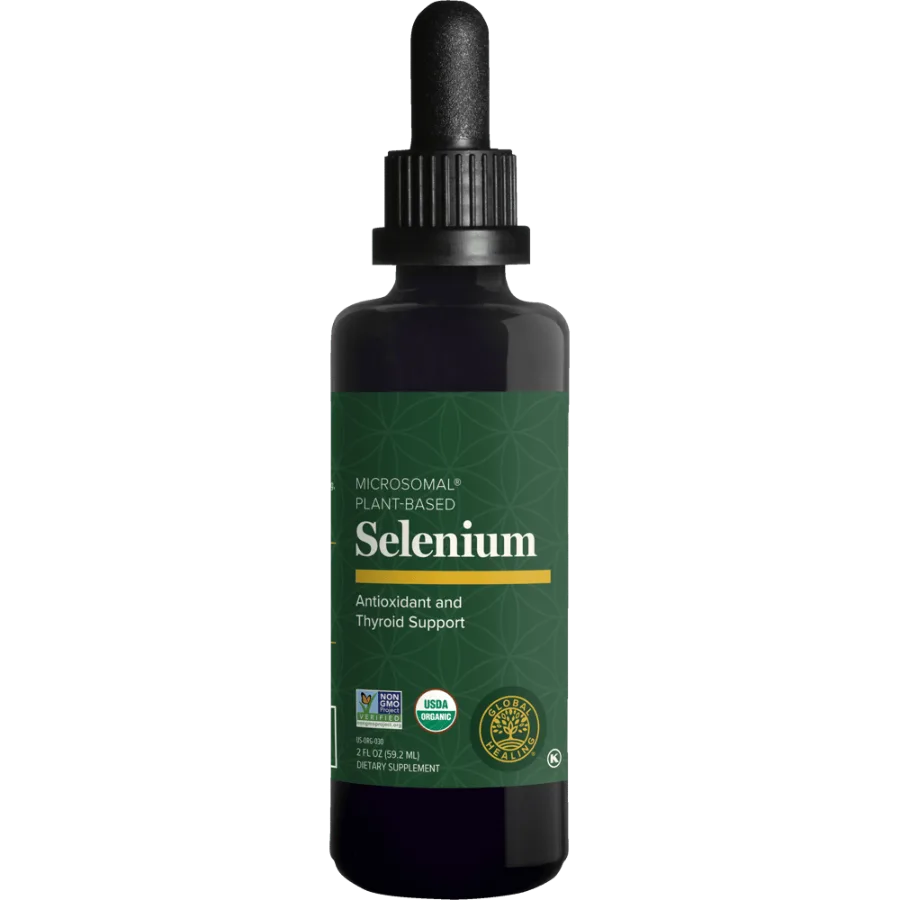
Liquid Selenium, 2 fl oz dropper bottle

Mercury's partner · Global Healing

Liquid Selenium

$24.95 · 2 fl oz · about 60 servings

  • Serving: 1 ml · about 60 servings
  • Selenium 200 mcg (360% DV)
  • From organic mustard seed

Selenium is the mineral mercury meets first, and the one that offsets cadmium in the national data.

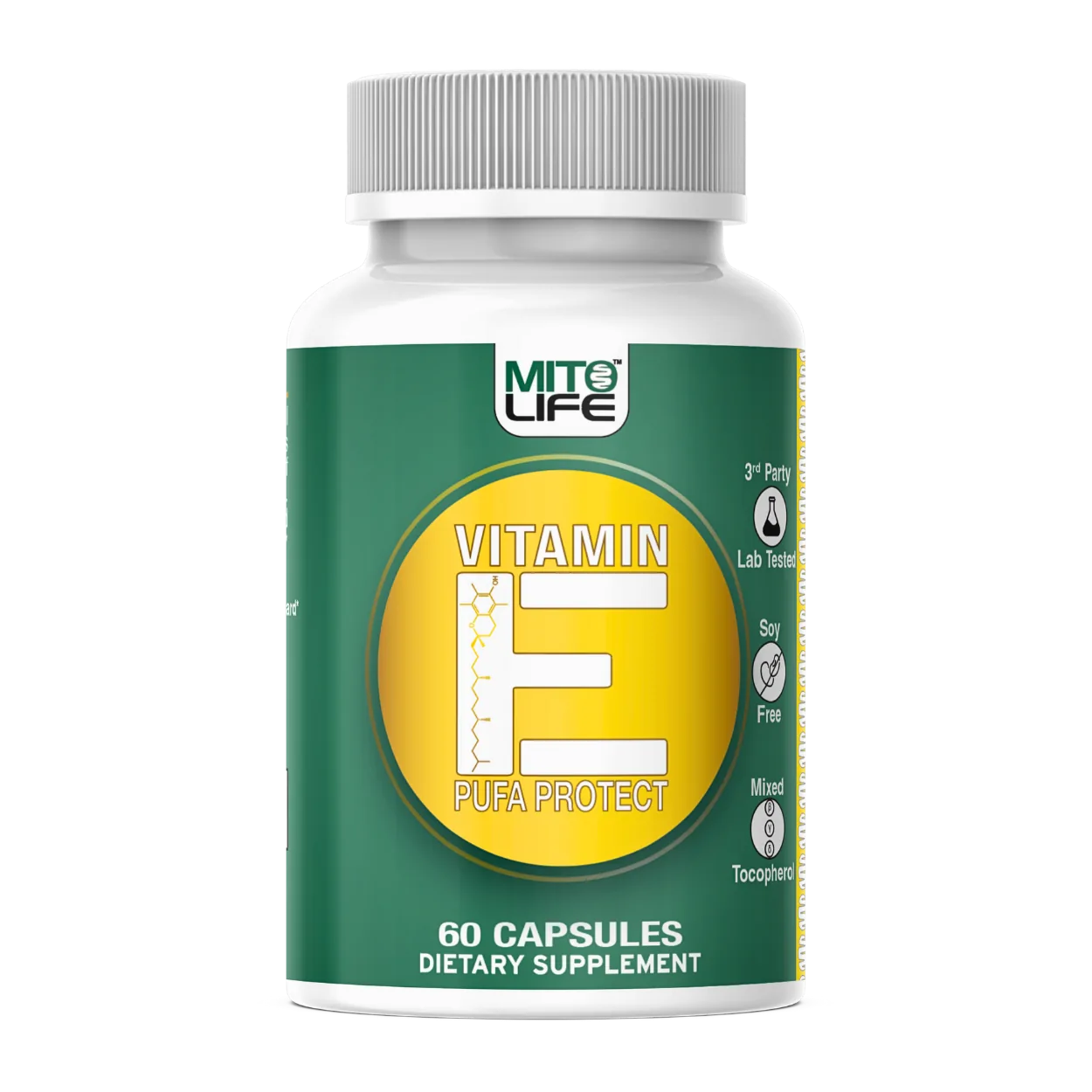
PUFA Protect, mixed tocopherol vitamin E

The membrane · MitoLife

PUFA Protect

$50 · 60 capsules

  • d-alpha-tocopherol 335 mg (827 IU)
  • d-gamma 27.17 mg · d-delta 9.42 mg · d-beta 3.88 mg
  • Mixed tocopherols, sunflower-sourced, no soy

Mixed tocopherols, the membrane's own antioxidant. Why the form matters

Get PUFA Protect
HOLISTICLOVEpaste at checkout

ZeoCharge takes CELLWELL for 10% off and PUFA Protect takes HOLISTICLOVE for 15% off: copy the code from the popup on the button and paste it at checkout. The Global Healing link carries the referral. We earn a referral commission at no cost to you. Not for pregnancy, nursing, children, or reduced kidney function without your clinician; take the powder an hour or more apart from medicines.

Know your numbers in The Lab Atlas, read the twelve questions in full in the fact-or-fiction deep dive, and the cellular-detox spine in How Do I Detox Heavy Metals?

Know your numbers

Heavy metals are not on a standard panel.

They are ordered on their own: blood for lead and mercury, urine for cadmium and arsenic. A consumer-ordered panel runs about $120 to $270 in 2026. Skip hair for lead and cadmium, and skip any test that gives you a chelator first.3,5 The Lab Atlas explains every marker in plain words and where to order it.

One scoop. Eight ounces. $1.97.

Clinoptilolite, cleaned and re-mineralized, with the selenium and vitamin E that do the first two jobs.

Get ZeoCharge
CELLWELLpaste at checkout

Heavy metals are not on a standard blood panel, and blood only shows the last few weeks: lead moves into bone for decades and cadmium sits in the kidney with a half-life of 16 to 30 years. Nearly every newborn carries lead and mercury from cord blood, body burden rises with age, and the studies tie cadmium and lead to thyroid disease, altered cortisol, depression, sperm quality and early pregnancy loss. The body clears metals when the essential mineral is back in its seat, the cell membrane can move, and sweat, fiber and a binder carry them out.

Heavy metals: the common questions

How do I know if I have heavy metals in my body?

Symptoms like fatigue, brain fog and tingling overlap with everything, so only a test answers it. Heavy metals are ordered separately from a standard panel: blood for lead and mercury, urine for cadmium and arsenic. A consumer-ordered panel runs about $120 to $270 in 2026. The free Lab Atlas explains each marker and where to order it.

If my blood test is normal, am I clear?

Blood shows recent weeks. Blood lead has a half-life of about 25 to 30 days, while bone stores lead for decades and cadmium sits in the kidney with a half-life of 16 to 30 years. A normal blood lead rules out a recent exposure, not what the bones are holding, which is why blood lead rises after menopause and in pregnancy as bone turns over.

Is a hair test or a provoked urine test worth it?

Hair is only trusted for arsenic and methylmercury; for lead and cadmium it can place you against a population, not diagnose you. The provoked urine test, a chelator followed by a urine collection, has not been validated, has no demonstrated benefit and may be harmful, in the words of the American College of Medical Toxicology.

Do vaccines contain heavy metals?

Aluminum salts are the adjuvant in many childhood vaccines, capped at 0.85 mg a dose by federal rule and adding up to about 4 mg over the first six months. The cumulative dose was modeled from an adult retention curve, not measured in infants over time. One cohort of 326,991 children found a modest rise in persistent asthma per milligram; a Danish national cohort found no rise in autoimmune, allergic or neurodevelopmental disorders. Aluminum also comes from antacids at 104 to 208 mg a dose, foil and cookware with acidic food, baking powder and antiperspirant, and the chemical form decides how much gets in.

Does zeolite contain aluminum, and does it add aluminum to the body?

Clinoptilolite is an aluminosilicate, so aluminum is part of its crystal lattice, locked in with silicon. High-silica clinoptilolite is stable at stomach acidity, and silicon itself raised urinary aluminum excretion in two human trials. The maker reports its own in-house test showing no rise in body aluminum; no independent published trial has measured serum aluminum before and after this product, so that is the honest limit.

Does zeolite actually remove heavy metals?

What the human studies measured: purified clinoptilolite taken with a lead tracer cut lead uptake from the gut by about 90 percent in healthy adults; in a double-blind trial of 80 adults with lead poisoning, zeolite tablets added to standard care lowered serum lead further than standard care alone over two weeks; and eleven healthy men excreted more metals in urine over 7 to 30 days. In a different certified zeolite, blood lead rose at first and fell only with continued use. Mainstream references still call the human evidence limited. No product removes a body burden on its own; the mineral seat, the membrane and the exit routes come first.

Is zeolite safe, and who should not take it?

The maker does not recommend it in pregnancy, nursing or for children, and anyone with reduced kidney function should not take it without a clinician. Take it an hour or more apart from medicines and other supplements, because a binder can bind them too. Of eleven commercial clinoptilolite powders tested independently, some carried arsenic and lead and four held no clinoptilolite at all, so ask any brand for its current certificate of analysis.

What about lead and cadmium in chocolate, rice and protein powder?

Real, and dose matters. Rice takes up arsenic from water, dark chocolate carries lead and cadmium from soil, and plant and chocolate-flavored protein powders test highest. Rotate grains, rinse rice and cook it in extra water, keep daily dark chocolate modest, and choose products that publish third-party metal testing.

Is there a discount code?

Yes. ZeoCharge takes CELLWELL for 10 percent off and PUFA Protect takes HOLISTICLOVE for 15 percent off: copy the code from the popup on the buy button and paste it at checkout. The Global Healing link carries the referral with no code. We earn a referral commission at no cost to you.

Every study on this page

Read them yourself.

All 93, grouped and numbered. Every marker above jumps to its entry here.

Testing: blood, urine, hair, and the provoked test5 studies · 1–5
  1. 1Metabolismo e toxicidade do chumbo na criança e no adulto (2009)DOI
  2. 2Cadmium Toxicity and Health Effects-A Brief Summary (2023)PubMed
  3. 3[The reliability of conclusions based on hair mineral analysis in individual diagnostic] (2004)PubMed
  4. 4Selecting the best non-invasive matrix to measure mercury exposure in human biomonitoring surveys. (2021)DOI
  5. 5American College of Medical Toxicology, Position Statement on Post-Chelator Challenge Urinary Metal Testing (2010)PMC
What each metal takes7 studies · 6–12
  1. 6The Mechanisms of Lead Toxicity in Living Organisms (2025)PubMed
  2. 7Lead toxicity: current concerns (1993)PubMed
  3. 8Interactions between cadmium and zinc in the organism (2001)PubMed
  4. 9The Effect of Occupational Lead Exposure on Blood Levels of Zinc, Iron, Copper, Selenium and Related Proteins (2012)PubMed
  5. 10Cadmium, osteoporosis and calcium metabolism (2004)PubMed
  6. 11Reversal of Aluminum-Induced Hemodialysis Anemia by a Low-Aluminum Dialysate (1982)Source
  7. 12Environmental arsenic exposure and reproductive system toxicity in male and female and mitigatory strategies: a review (2024)PubMed
Metals in everyday food7 studies · 13–19
  1. 13Cadmium dietary exposure in the European population (2012)DOI
  2. 14Rice consumption contributes to arsenic exposure in US women (2011)PubMed
  3. 15Association of Rice and Rice-Product Consumption With Arsenic Exposure Early in Life (2016)PubMed
  4. 16Inorganic arsenic levels in baby rice are of concern (2008)PubMed
  5. 17Seafood consumption and blood mercury concentrations in adults aged >=20 y, 2007-2010 (2014)PMC
  6. 18Dietary Intake Is Associated with Biomarkers of Lead, Arsenic, and Cadmium in a Cohort of Mexican Adolescents (2025)PubMed
  7. 19Citizens protein project: A self-funded, transparent, and concerning report on analysis of popular protein supplements sold in the Indian market (2024)PubMed
Bone lead, menopause and pregnancy5 studies · 20–24
  1. 20Lead and osteoporosis: mobilization of lead from bone in postmenopausal women (1988)PubMed
  2. 21Early Life Exposure in Mexico to ENvironmental Toxicants (ELEMENT) Project (2019)PubMed
  3. 22RCT, calcium supplementation and blood lead levels in pregnancyPMC
  4. 23Cumulative Lead Exposure and Age at Menopause in the Nurses’ Health Study Cohort (2014)DOI
  5. 24Follicle-stimulating hormone and blood lead levels with bone mineral density and the risk of fractures in pre- and postmenopausal women (2022)PubMed
The placenta and the newborn6 studies · 25–30
  1. 25Biomonitoring of Lead, Cadmium, Total Mercury, and Methylmercury Levels in Maternal Blood and in Umbilical Cord Blood at Birth in South Korea (2015)PubMed
  2. 26Exposure profile of mercury, lead, cadmium, arsenic, antimony, copper, selenium and zinc in maternal blood, cord blood and placenta: the Tohoku Study of Child Development in Japan (2019)PubMed
  3. 27Umbilical cord serum elementomics of 52 trace elements and early childhood neurodevelopment: Evidence from a prospective birth cohort in rural Bangladesh (2022)PubMed
  4. 28Neurodevelopmental Outcomes Associated with Early-Life Exposure to Heavy Metals: A Systematic Review (2025)PubMed
  5. 29Prenatal metal(loid) exposure and preterm birth: a systematic review of the epidemiologic evidence (2025)PubMed
  6. 30Maternal and fetal exposure to cadmium, lead, manganese and mercury: The MIREC study (2016)PubMed
Aluminum: vaccines, antacids, cookware, antiperspirant6 studies · 31–36
  1. 31Association Between Aluminum Exposure From Vaccines Before Age 24 Months and Persistent Asthma at Age 24 to 59 Months (2023)PubMed
  2. 32Aluminum utensils contribute to aluminum accumulation in patients with renal disease (1997)PubMed
  3. 33An interesting case of osteomalacia due to antacid use associated with stainable bone aluminum in a patient with normal renal function (1998)PubMed
  4. 34Osteoporosis: calcium, fluoride, and aluminum interactions (1985)PubMed
  5. 35Aluminium in human breast tissue (2007)PubMed
  6. 36Systematic review of potential health risks posed by pharmaceutical, occupational and consumer exposures to metallic and nanoscale aluminum, aluminum oxides, aluminum hydroxide and its soluble salts (2014)PubMed
Age and body burden3 studies · 37–39
  1. 37Human biomonitoring of toxic and essential metals in younger elderly, octogenarians, nonagenarians and centenarians: Analysis of the Healthy Ageing and Biomarkers Cohort Study (HABCS) in China (2021)PubMed
  2. 38Selenium alleviates cadmium-induced biological aging acceleration and the potential mediating role of inflammation (2025)PubMed
  3. 39Relationships between blood concentrations of cadmium, lead, mercury, selenium, and manganese and the risk of chronic kidney disease: a cross-sectional study based on NHANES 2011–2018 (2024)DOI
Hormones9 studies · 40–48
  1. 40Combined effects of persistent organic pollutants and endocrine-disrupting chemicals on thyroid disease risk: A WQS-XGBoost analysis of US population data (2026)PubMed
  2. 41Maternal exposure to essential and non-essential metals and thyroid hormone status in a Canadian pregnancy cohort (2026)PubMed
  3. 42Potential Influence of Selenium, Copper, Zinc and Cadmium on L-Thyroxine Substitution in Patients with Hashimoto Thyroiditis and Hypothyroidism (2017)PubMed
  4. 43Thyroid hormones in relation to toxic metal exposure in pregnancy, and potential interactions with iodine and selenium (2021)PubMed
  5. 44Lead exposure, glucocorticoids, and physiological stress across the life course: A systematic review (2024)PubMed
  6. 45Effects of lead, cadmium, copper and zinc levels on the male reproductive function (2021)PubMed
  7. 46正常生育力與低生育力男性血液中鉛、鎘、硒、鋅、銅和鎂濃度之比較分析 ; A study of blood lead, cadmium, selenium, zinc, copper, and magnesium levels in fertile and infertile men (2004)Source
  8. 47Are Heavy Metal Exposure and Trace Element Levels Related to Metabolic and Endocrine Problems in Polycystic Ovary Syndrome? (2020)PubMed
  9. 48Heavy metals exposure and HPG-axis related hormones in women across the lifespan: An integrative epidemiological and bioinformatic perspective (2025)PubMed
Mood, attention and memory8 studies · 49–56
  1. 49The association between heavy metals co-exposures and depression: a convergence of network toxicology and epidemiology (2026)PubMed
  2. 50The Effects of Heavy Metals and Metalloids on Mental Health: A Systematic Literature Review (2025)DOI
  3. 51A Systematic Review and Meta-analysis of Chemical Exposures and Attention-Deficit/Hyperactivity Disorder in Children (2024)PubMed
  4. 52Association between metal(loid)s in different biospecimens and dementia: A systematic review and meta-analysis (2025)PubMed
  5. 53Associations among blood heavy metals, neurofilament light chains and cognition function in US adults: NHANES 2013-2014 (2025)PubMed
  6. 54Selenium attenuates the association of co-exposure to arsenic, cadmium, and lead with cognitive function among Chinese community-dwelling older adults (2023)PubMed
  7. 55Essential and non-essential metals in children's intellectual functioning: A multi-media biomarker approach from a Mexico City birth cohort (2025)PubMed
  8. 56Protective Role of Multiple Essential Minerals Against Cadmium-Related Cognitive Decline in Middle-Aged and Older Adults: A Prospective Study (2025)PubMed
Fertility8 studies · 57–64
  1. 57Heavy metals, biomarkers of oxidative stress and changes in sperm function: A case-control study (2019)PubMed
  2. 58Cadmium exposure and its association with oxidative stress, MT1A methylation, and idiopathic male infertility in Egypt: A case-control study (2024)PubMed
  3. 59Lead, magnesium, selenium and zinc in human seminal fluid: comparison with semen parameters and fertility (1987)PubMed
  4. 60Serum trace and heavy metal exposure and IVF/ICSI outcomes: modifying effects of maternal diet in a prospective cohort (2026)PubMed
  5. 61Biomarkers of metal toxicity in embryos in the general population (2019)PubMed
  6. 62Progesterone, selected heavy metals and micronutrients in pregnant Nigerian women with a history of recurrent spontaneous abortion (2012)PubMed
  7. 63Deciphering the trace metal-inflammation axis in the pathophysiology of recurrent pregnancy loss (2026)PubMed
  8. 64Associations of environmental exposures to methylmercury and selenium with female infertility: A case-control study (2019)PubMed
Energy, immunity and growth12 studies · 65–76
  1. 65Iron deficiency anaemia and blood lead concentrations in Brazilian children (2011)PubMed
  2. 66Relation between anemia and blood levels of lead, copper, zinc and iron among children (2010)PubMed
  3. 67Effect of lead, calcium, iron, zinc, copper and magnesium on anemia in children with BLLs ≥ 100 μg/L. (2023)DOI
  4. 68Prevalence of unexplained anaemia in Inuit men and Inuit post-menopausal women in Northern Labrador: International Polar Year Inuit Health Survey (2016)PubMed
  5. 69Blood cadmium is elevated in iron deficient U.S. children: a cross-sectional study (2013)PubMed
  6. 70Prevalence and Relationships of Iron Deficiency Anemia with Blood Cadmium and Vitamin D Levels in Korean Women (2016)PubMed
  7. 71Sex-specific Profiles of Blood Metal Levels Associated with Metal–Iron Interactions (2014)PubMed
  8. 72МИКРОЭЛЕМЕНТОЗЫ КАК ПРЕДИКТОРЫ ИММУНОЛОГИЧЕСКИХ НАРУШЕНИЙ У ДЕТЕЙ С ГИПОФУНКЦИЕЙ ЩИТОВИДНОЙ ЖЕЛЕЗЫ, ПРОЖИВАЮЩИХ В РАЙОНАХ С РАЗЛИЧНЫМ УРОВНЕМ ТЕХНОГЕННОГО ЗАГРЯЗНЕНИЯ (2023)Source
  9. 73Impact of fetal and childhood mercury exposure on immune status in children (2016)PubMed
  10. 74Methylmercury and long chain polyunsaturated fatty acids are associated with immune dysregulation in young adults from the Seychelles child development study. (2020)DOI
  11. 75Clinical biochemical evaluation of trace elements and insulin-like growth factor-I in children with short stature: Diagnostic and correlative insights from the Guangzhou cohort (2026)PubMed
  12. 76Blood Lead Levels and Vitamin D, Calcium, and Magnesium Status in Children and Young Adults in Western Georgia (2026)DOI
The seat, the membrane, the exit12 studies · 77–88
  1. 77Association of blood lead with calcium, iron, zinc and hemoglobin in children 0-7 years (2012)Source
  2. 78Evaluating the impact of environmental metal mixtures on chronic kidney disease risk: Insights from the National Health and Nutrition Examination Survey 2011-2016 (2025)PubMed
  3. 79The role of mercury, selenium and the Se-Hg antagonism on cognitive neurodevelopment: A 40-month follow-up of the Italian mother-child PHIME cohort (2020)PubMed
  4. 80Non-invasive therapy to reduce the body burden of aluminium in Alzheimer's disease (2006)PubMed
  5. 81Davenward S, Bentham P, Wright J, Crome P, Job D, Polwart A, Exley C, Silicon-Rich Mineral Water as a Non-Invasive Test of the 'Aluminum Hypothesis' in Alzheimer's Disease (2013)PubMed
  6. 82The importance of monitoring endocrine-disrupting chemicals and essential elements in biological samples of fertilizer industry workers (2023)PubMed
  7. 83Graded associations of blood lead and urinary cadmium concentrations with oxidative-stress-related markers in the U.S. population: results from the third National Health and Nutrition Examination Survey (2006)PubMed
  8. 84Effect of vitamin E and C supplementation on oxidative damage and total antioxidant capacity in lead-exposed workers (2014)PubMed
  9. 85The administration of N-acetylcysteine reduces oxidative stress and regulates glutathione metabolism in the blood cells of workers exposed to lead (2013)PubMed
  10. 86The Use of N-Acetylcysteine as a Chelator for Metal Toxicity (2018)Source
  11. 87Arsenic, Cadmium, Lead, and Mercury in Sweat: A Systematic Review (2012)Source
  12. 88Adequate Intake of Dietary Fiber May Relieve the Detrimental Impact of Blood Lead on Dyslipidemia among US Adults: A Study of Data from the National Health and Nutrition Examination Survey Database (2023)PubMed
Clinoptilolite in humans5 studies · 89–93
  1. 89Concomitant oral intake of purified clinoptilolite tuff (G-PUR) reduces enteral lead uptake in healthy humans (2021)DOI
  2. 90Oral zeolite as adjunct therapy for lead poisoning, double-blind RCT (2025)PMC
  3. 91Activated clinoptilolite suspension and urinary heavy-metal excretion, controlled trial (2009)Source
  4. 92Clinical Evaluation of a Defined Zeolite-Clinoptilolite Supplementation Effect on the Selected Blood Parameters of Patients (2022)PMC
  5. 93Oral bioaccessibility of metal(oid)s in commercial zeolite used as a dietary supplement: implications to human health risk (2022)Source

Public records named above

Education only, not medical advice. Nothing here diagnoses, treats, cures or prevents any disease. Study citations describe what each study measured; they are not claims about any product. A measured elevation of any metal is a conversation with your clinician, not a powder.