83¢ a day
The magnesium to start with
Three capsules. 300 mg. Two amino-acid forms.
What it is
Magnesium bound to two amino acids, glycine and taurine. A bottle is 90 capsules, which is 30 servings, for $25.
On the label
One serving is three capsules: 300 mg of magnesium, as magnesium bisglycinate and magnesium taurate. Label read 2026-11-01.
The pair and the base
Potassium is the pair. A daily multivitamin and mineral pack is the base. Both are in the cards below.
The three
The magnesium. Its pair. The base.
Minerals work as a team. Start with the magnesium, add potassium, and put a daily base under both.
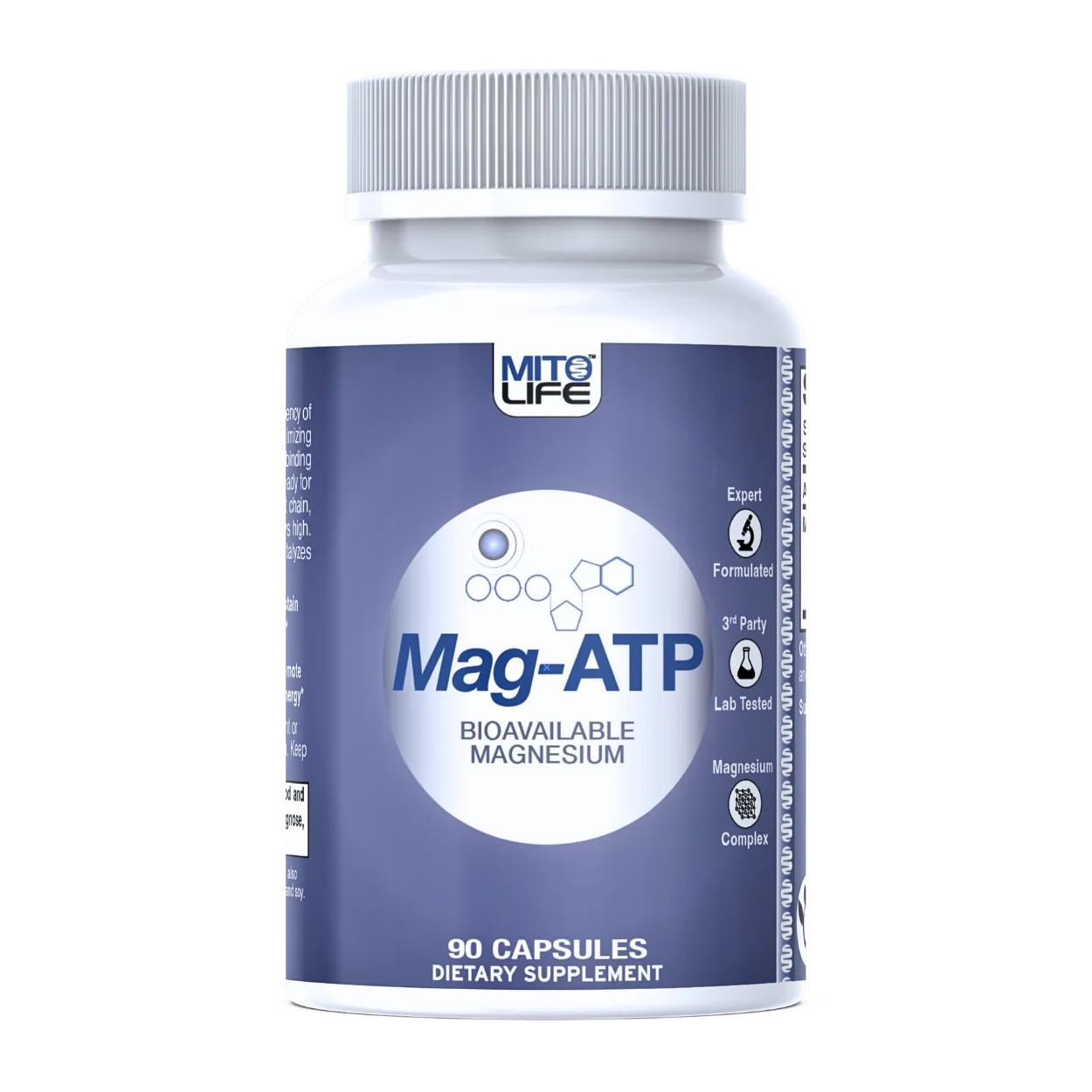
The magnesium
Mag-ATP
MitoLife · $25 · 90 capsules · 30 servings
83 cents a day
Nearly half of the US eats less magnesium than it needs.8
- Serving: 3 capsules · 300 mg magnesium
- Magnesium bisglycinate + magnesium taurate
- 90 count
HOLISTICLOVEpaste at checkout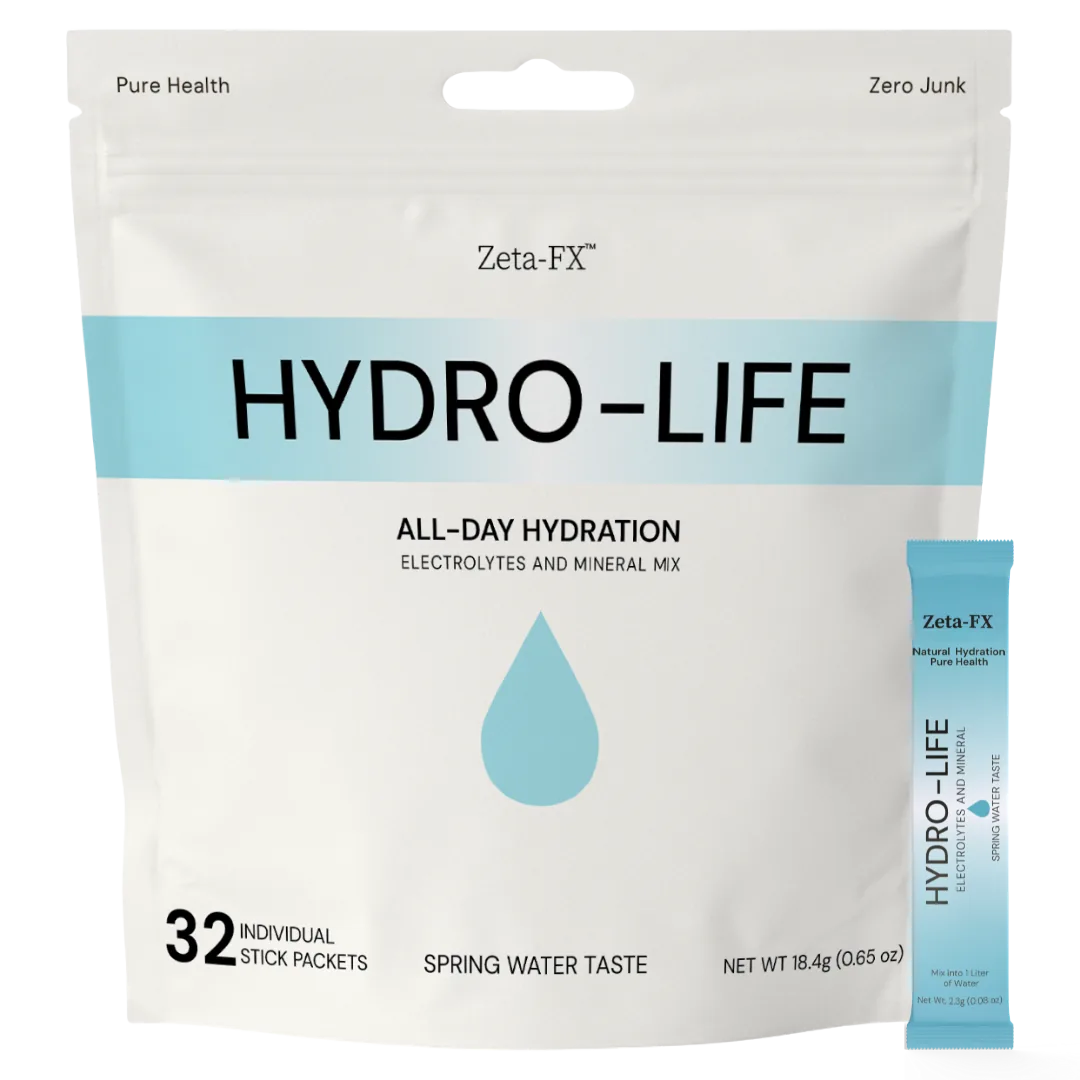
The pair: potassium
Hydro-Life
ZetaFX · Bulk pouch $39.99 · 200 servings
20 cents a day
In cultured endothelial cells, potassium softened the cell and raised nitric oxide release.6
- Per litre: potassium 451 mg, as potassium citrate + potassium bicarbonate
- Per litre: MSM 1,000 mg · taurine 100 mg
- No sodium, no sugar, no flavoring · also 32 sticks $29.99
The base
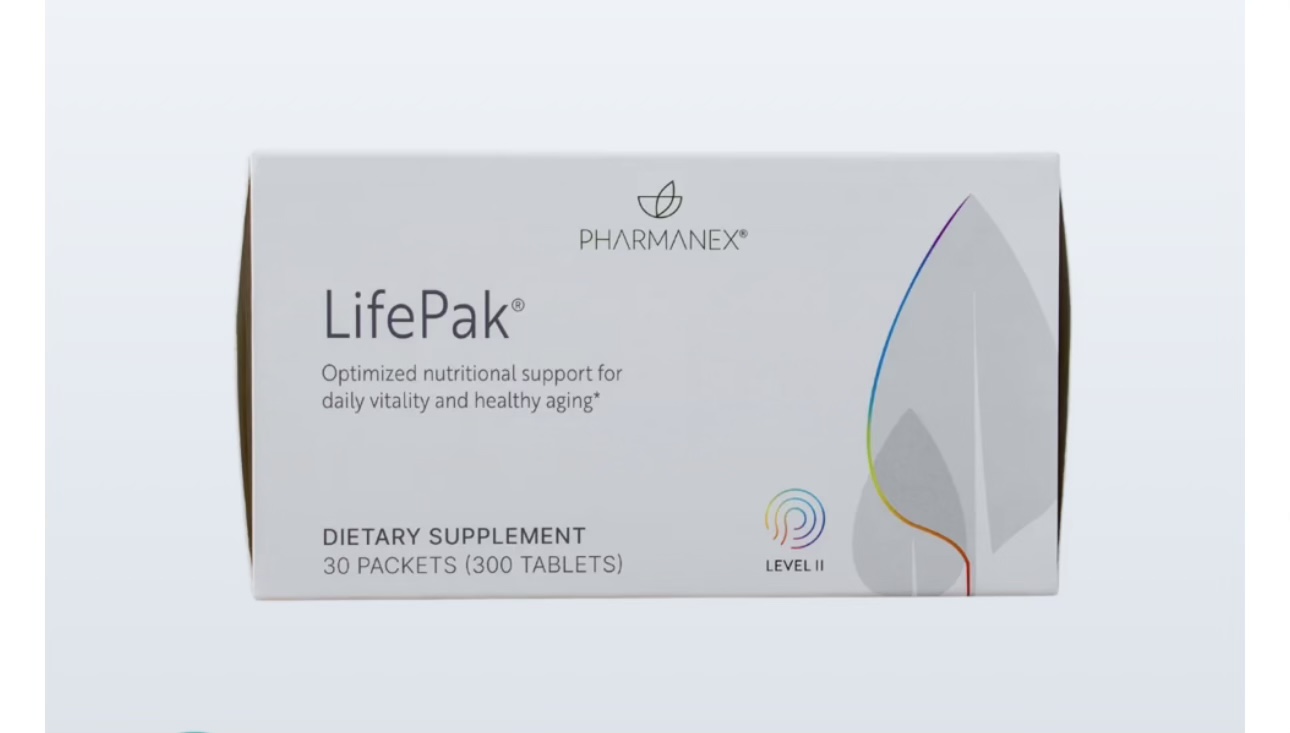
LifePak Tablets
Pharmanex · $94 member price · $118 retail
Each packet carries 150 mg of magnesium, with zinc, selenium and iodine.
- Serving: 1 packet (10 mini tablets) · 30 packets
- Magnesium 150 mg · zinc 15 mg · selenium 140 mcg · iodine 150 mcg
- Vitamin D3 25 mcg · vitamin C 200 mg
Prices are as the stores showed them on 2026-11-01. The ZetaFX link tracks the referral. The Mag-ATP bottle takes HOLISTICLOVE for 15% off, and the Nu Skin link opens the store with member pricing already applied. We earn a referral commission at no cost to you.
See where your own magnesium sits in The Lab Atlas, and read the whole case in the magnesium deep dive.
The trials
Thirty-eight trials, pooled.
Pooled data from 38 randomized trials in 2,709 people found magnesium supplementation lowered systolic pressure about 2.8 mmHg and diastolic about 2.1 mmHg, with larger effects in the hypertensive and low-magnesium subgroups.1
Earlier pools agree on direction. Thirty-four trials at a median dose of about 370 mg a day found modest reductions in both numbers.2 A 2024 pooled analysis found average reductions of 1.25 and 1.40 points, with larger effects at 400 mg a day or more.3
Small lever. Long horizon.

The mechanism
Your arteries have a relaxation signal.
Low magnesium is linked to blood pressure regulation through the lining of the blood vessel, oxidative stress and the renin-angiotensin system.4
Potassium works the same wall. In cultured endothelial cells it softened the cell and raised nitric oxide release, while sodium stiffened it.6 Across 52 countries, mean potassium intake is 2.25 g a day, and Europe, at the top, reaches 3.5.7 Magnesium and potassium have also been pooled together for systolic pressure in people whose pressure is already normal.5
Who runs low
A normal blood test can hide it.
Nearly half of the US eats less magnesium than it needs.8 One review puts 10 to 30 percent of people in subclinical deficiency by serum level,9 and a normal serum reading can sit on top of depleted total-body stores.10
So test, do not guess. Nutrition diagnostics compares the options, and the free lab guide shows what to ask for.
Three capsules. 83 cents.
Magnesium, 300 mg a serving.
HOLISTICLOVEpaste at checkoutPooled data from 38 randomized controlled trials in 2,709 people found magnesium supplementation lowered systolic blood pressure by about 2.8 mmHg and diastolic by about 2.1 mmHg, with the largest effect in people who were magnesium-deficient. Magnesium regulates calcium entry into vascular smooth muscle and supports nitric oxide, helping vessels relax. Trial doses cluster around 370 to 400 mg per day, and it is not a replacement for medication.
Magnesium and blood pressure: the common questions
What does the research say about magnesium and blood pressure?
A 2025 meta-analysis of 38 randomized controlled trials in 2,709 people found magnesium supplementation lowered systolic blood pressure about 2.8 mmHg and diastolic about 2.1 mmHg on average, with the largest effects in people who were magnesium-deficient at baseline. Earlier meta-analyses from 2016 and 2024 found the same direction of effect.
How does magnesium support healthy blood pressure regulation?
Two main mechanisms: magnesium regulates how much calcium enters vascular smooth muscle cells, acting as the natural counterweight to calcium's contract signal, and it supports the endothelial lining where nitric oxide, the vessel-opening molecule, is made.
Can magnesium replace blood pressure medication?
No. Magnesium is not a replacement for medication when medication is needed, and nothing on this page is a reason to change a prescription without your clinician. The trial effects are modest nutrient-repletion effects, strongest in people who were running low.
How do I know if my magnesium is low?
Serum magnesium reflects less than 1 percent of the body's total magnesium, so a normal blood test can coexist with low tissue stores. Testing intelligently, and reading results alongside diet and symptoms, beats guessing in either direction. The nutrition diagnostics page compares the measurement options.
What is in the magnesium on this page?
Per serving of three capsules: 300 mg of magnesium, as magnesium bisglycinate and magnesium taurate, both bound to an amino acid. The bottle holds 90 capsules, which is 30 servings, and costs $25. Label read 2026-11-01.
Every study on this page
Read them yourself.
All 10, grouped and numbered. Every marker above jumps to its entry here.
The trials3 studies · 1–3
The mechanism1 study · 4
Potassium3 studies · 5–7
- 5Magnesium and Potassium Supplementation for Systolic Blood Pressure Reduction in the General Normotensive Population: A Systematic Review and Subgroup Meta-Analysis for Optimal Dosage and Treatment Length (2024)PubMed
- 6Potassium softens vascular endothelium and increases nitric oxide release (2009)PubMed
- 7Global mean potassium intake: a systematic review and Bayesian meta-analysis (2023)PubMed
Who runs low3 studies · 8–10
Education only, not medical advice. Nothing here diagnoses, treats, cures or prevents any disease. Study citations are nutrient science, not claims about any product.