EVIDENCE-BACKED

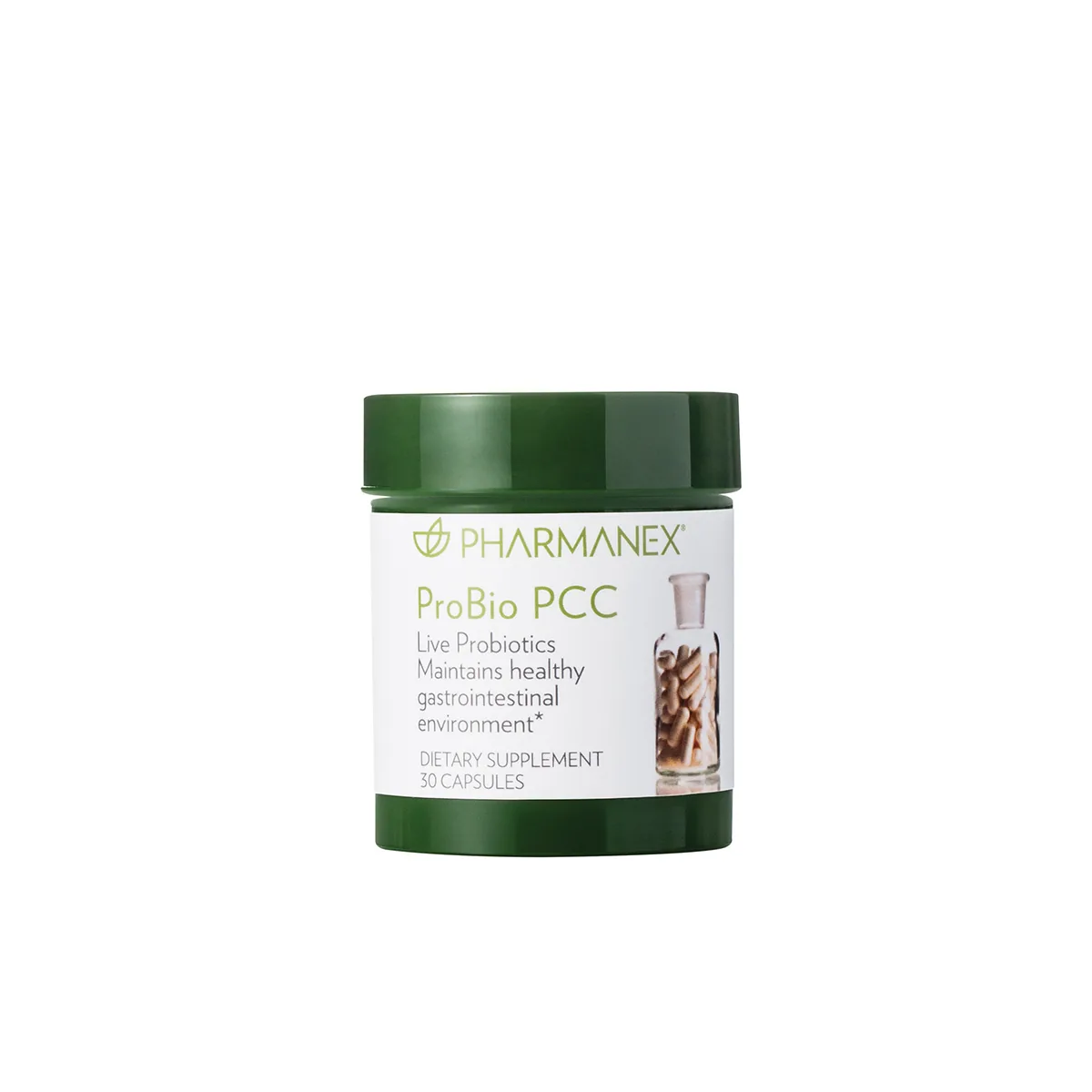
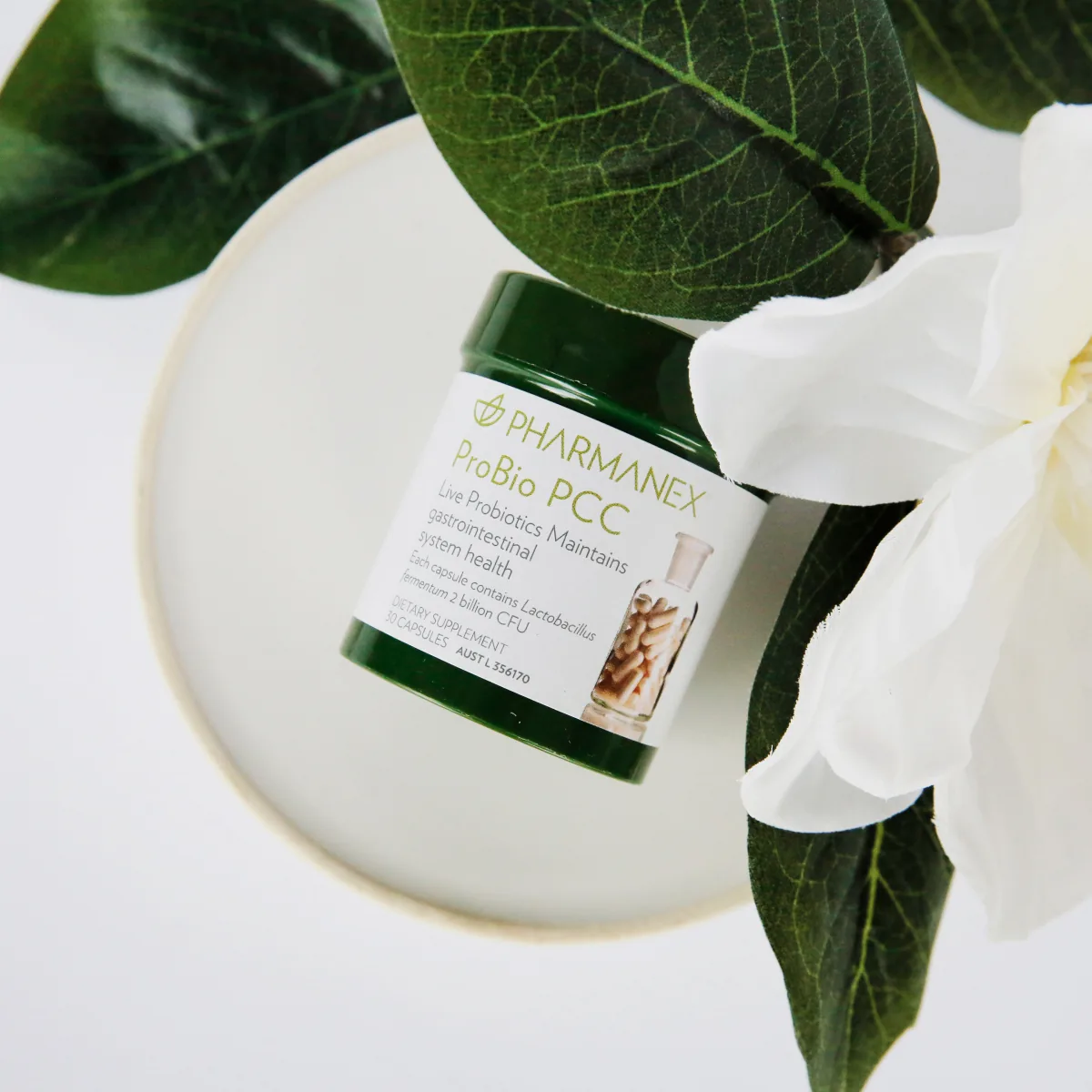
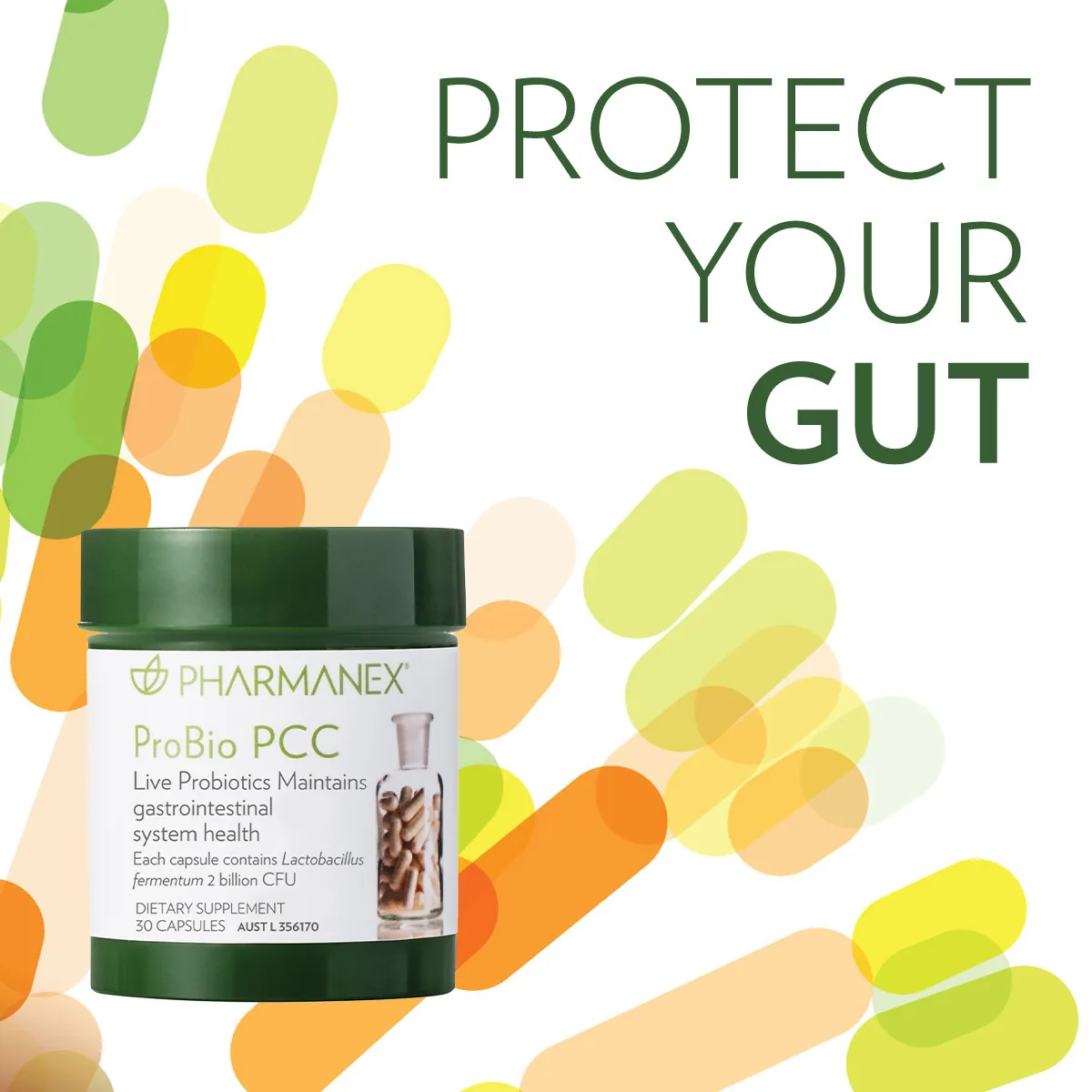
ProBio PCC

One well-studied strain, not a random blend -- because probiotics are strain-specific.

Gut Health

PharmanexCell
ProBio PCC -- photo 1 of 4ProBio PCC -- photo 2 of 4ProBio PCC -- photo 3 of 4ProBio PCC -- photo 4 of 4

$44.00

$53.00 save $9.00 -- applied automatically through this link

When you buy through our links, we earn a small commission -- and that is what funds all the free education here. It never costs you more. Products are not intended to diagnose, treat, cure, or prevent any disease.

What it is

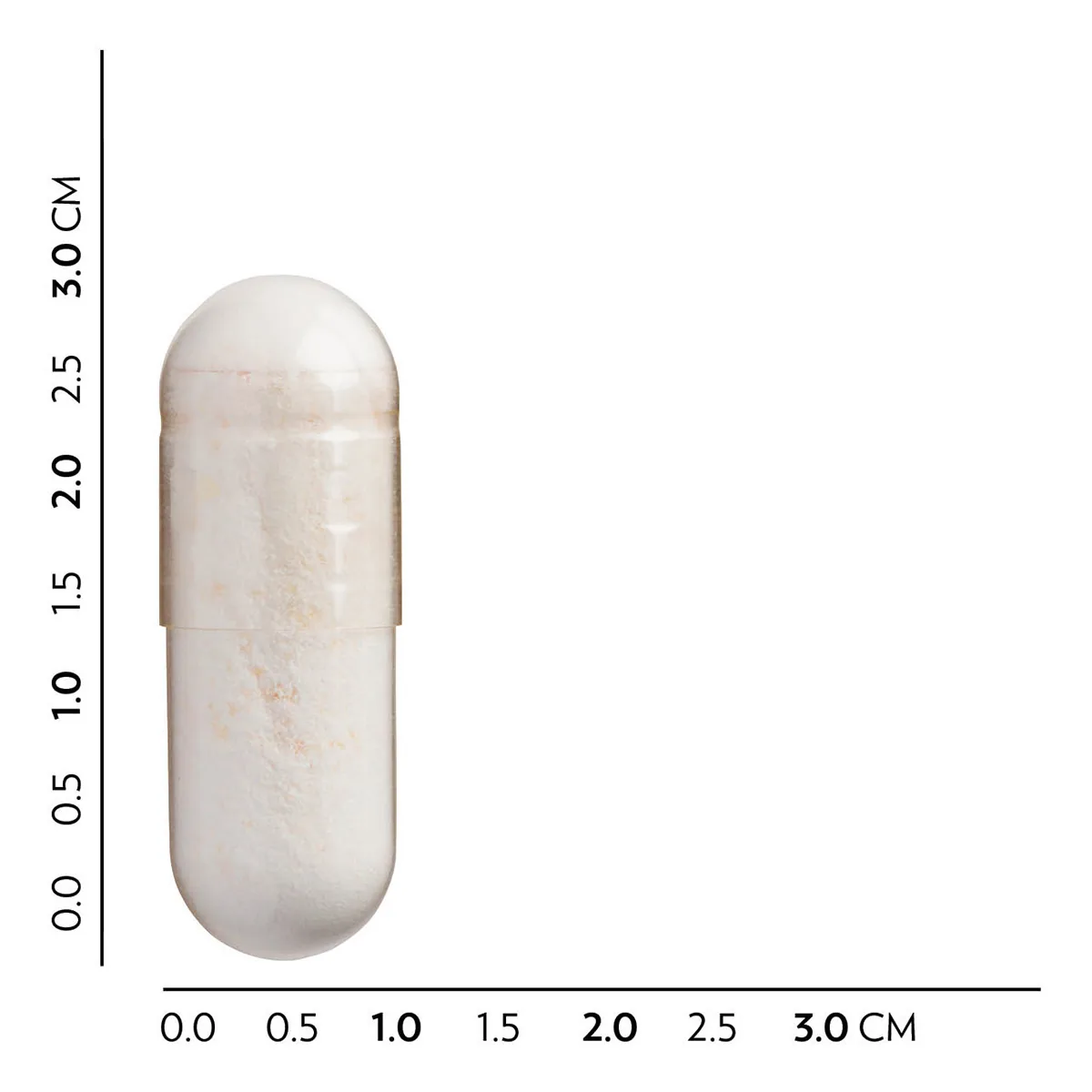
A single-strain probiotic capsule delivering 2 billion CFU of Limosilactobacillus fermentum PCC (also known as L. fermentum VRI-003 PCC), taken once daily with food. Unlike a generic multi-strain blend, it is matched to one well-characterized strain shown able to survive digestion and reach the gut, where it supports a healthy day-to-day environment.

Why the evidence supports it

The strongest argument for ProBio PCC is specificity: probiotic effects are strain-dependent, and this exact strain -- not just its species -- has its own research, from recovery-from-stool work confirming it survives transit to human studies at this label dose and higher. The honest caveat is that the clearest signals in that research tended to appear at doses above what a single daily capsule provides, so it reads best as sensible, strain-matched daily support rather than a guaranteed clinical effect. And the gut it supports does not stay in the gut: a balanced microbial community is where prebiotic fiber gets fermented into short-chain fats like butyrate -- the same postbiotic signals studied in the gut-brain axis for mood and in training the gut-associated immune tissue -- which is why a daily strain-matched probiotic sits quietly behind mood and immune balance too, provided you feed it the fiber it ferments. On that footing it is an evidence-aware way to support the cell's Exchange function -- a balanced gut community backing the lining's normal exchange of nutrients and signals -- not a treatment for any digestive condition.

What it supports

  • Supports a healthy day-to-day gut bacterial balance
  • Provides a single, well-characterized probiotic strain
  • Complements a fiber-rich, whole-food diet
  • Supports the gut environment that underlies broader immune and digestive wellbeing

Which function it supports

CellExchange
immune-cell signalinghealthy inflammation response

Ties to the cell's Exchange function -- a balanced gut microbial community supports the gut lining's normal exchange of nutrients and signals with the rest of the body.

Learn the why behind this pillar

How it relates to your cells and mind

Every product here ties back to a specific job your body does. This one touches the functions below -- follow either link to see the mechanism in full, then dig into the studies.

What it is made of -- and the mechanisms behind it

Each ingredient acts on several of the body's functions. Taken together, this product touches these cell and mind functions -- follow any to see the mechanism in full.

The ingredients

Mechanisms drawn from our ingredient knowledge base (1 profiled ingredients). Structure and function only -- not a treatment claim.

What’s actually in it

Label revision US PIP, copyright 2021, doc 003794/1

Transcribed from the manufacturer’s official Product Information Page, exactly as printed.

Supplement Facts panel for ProBio PCC
Amount per one capsuleAmount% DV
PCC Lactobacillus fermentum2 Billion CFU**
Other ingredients:
Microcrystalline cellulose, hypromellose, stearic acid, silicon dioxide.

The PIP states the serving size (one capsule) but not a servings-per-container count. Left absent rather than guessed.

Source: official Product Information Page . Amounts are the manufacturer’s, not ours. Structure and function only -- nothing here is medical advice, and nothing here may be used to diagnose, treat, cure, or prevent any disease.

The science on the ingredients

These studies are research on the ingredients and mechanisms in this product, not on the finished product itself, and they are shown for education. For this ingredient most of the published work is laboratory or animal research rather than human trials, so read it as biology worth knowing rather than proof of an effect in people. Nothing here is medical advice, and nothing here may be used to diagnose, treat, cure, or prevent any disease. Talk to your own provider about what is right for you.

Powered by CellWell.life
  • Probiotics fortify intestinal barrier function: a systematic review and meta-analysis of randomized trialsMeta-analysis2023

    Pooled data from 26 randomized trials found probiotic supplementation was associated with improved markers of intestinal barrier integrity, including transepithelial resistance and serum zonulin.

    Zheng Y, Zhang Z, Tang P, Wu Y, Zhang A, Li D, Wang CZ, Wan JY, Yao H, Yuan CS -- Frontiers in Immunology

  • Clinical trial: a multistrain probiotic preparation significantly reduces symptoms of irritable bowel syndrome in a double-blind placebo-controlled studyRandomized controlled trial2009

    An 8-week multistrain probiotic preparation was associated with improved symptom-severity scores and quality-of-life measures compared with placebo.

    Williams EA, Stimpson J, Wang D, Plummer S, Garaiova I, Barker ME, Corfe BM -- Alimentary Pharmacology & Therapeutics

  • Protective effect of Lactobacillus casei strain Shirota on Shiga toxin-producing Escherichia coli O157:H7 infection in infant rabbits.2001

    In infant rabbits infected with Shiga toxin-producing E. coli, daily Lactobacillus casei from birth cut bacterial colonization roughly 100-fold and lowered toxin concentrations and gut tissue damage by one week, linked to a stronger local antibody response.

    Ogawa M; Shimizu K; Nomoto K; Takahashi M; Watanuki M; Tanaka R -- Infection and immunity

  • The effect of oral administration of Lactobacillus GG on antibiotic-associated gastrointestinal side-effects during Helicobacter pylori eradication therapy.2001

    In 60 adults undergoing a one-week triple-drug regimen to eradicate H. pylori, adding the probiotic Lactobacillus GG significantly reduced diarrhea, nausea and taste disturbance compared with placebo, improving overall treatment tolerability.

    Armuzzi A; Cremonini F; Bartolozzi F; Canducci F; Candelli M; Ojetti V -- Alimentary pharmacology & therapeutics

  • In vitro adherence properties of Lactobacillus rhamnosus DR20 and Bifidobacterium lactis DR10 strains and their antagonistic activity against an enterotoxigenic Escherichia coli.2001

    In cell culture tests, three probiotic bacterial strains adhered strongly to human intestinal cell models, and their secreted compounds reduced the growth and invasiveness of the disease-causing E. coli O157:H7 strain.

    Gopal PK; Prasad J; Smart J; Gill HS -- International journal of food microbiology

  • Probiotics in primary prevention of atopic disease: a randomised placebo-controlled trial.2001

    In a randomized trial giving Lactobacillus GG to mothers before birth and infants for six months after, atopic eczema at age two occurred in 23 percent of the probiotic group versus 46 percent of the placebo group in high-risk children.

    Kalliomäki M; Salminen S; Arvilommi H; Kero P; Koskinen P; Isolauri E -- Lancet (London, England)

  • Is lactobacillus GG helpful in children with Crohn's disease? Results of a preliminary, open-label study.2000

    In an open-label pilot study of just 4 children with mild to moderate Crohn's disease, six months of Lactobacillus GG was followed by improved gut permeability and lower disease activity scores, though the study had no placebo comparison.

    Gupta P; Andrew H; Kirschner BS; Guandalini S -- Journal of pediatric gastroenterology and nutrition

  • Oral bacteriotherapy as maintenance treatment in patients with chronic pouchitis: a double-blind, placebo-controlled trial.2000

    In 40 people with chronic pouchitis in remission, a 9-month course of a multi-strain probiotic blend prevented relapse in 85 percent of patients, compared with 100 percent relapse in the placebo group.

    Gionchetti P; Rizzello F; Venturi A; Brigidi P; Matteuzzi D; Bazzocchi G -- Gastroenterology

  • Probiotics in the management of atopic eczema.2000

    In a randomized trial of 27 infants with atopic eczema, two months on formula supplemented with either of two probiotic strains significantly improved eczema severity scores compared with the same formula without probiotics.

    Isolauri E; Arvola T; Sütas Y; Moilanen E; Salminen S -- Clinical and experimental allergy : journal of the British Society for Allergy and Clinical Immunology

  • Probiotics and inflammatory bowel disease: is there a scientific rationale?2000

    A 2000 review concluded that while intestinal bacteria are implicated in inflammatory bowel disease, evidence for probiotic treatment was preliminary and encouraging mainly for ulcerative colitis and pouchitis, with benefit for Crohn's disease still unclear.

    Shanahan F -- Inflammatory bowel diseases

  • Analysis of the intestinal microflora: a renaissance.1999

    A 1999 review describes how new molecular identification techniques improved scientists' ability to catalog gut bacteria species and their populations, calling this progress a step toward better understanding gut microbes and human health.

    Tannock GW -- Antonie van Leeuwenhoek

  • Prophylactic Lactobacillus GG reduces antibiotic-associated diarrhea in children with respiratory infections: a randomized study.1999

    In a randomized trial of 119 children given antibiotics for respiratory infections, those also receiving the probiotic Lactobacillus GG had diarrhea in 5 percent of cases within two weeks, compared with 16 percent in the placebo group.

    Arvola T; Laiho K; Torkkeli S; Mykkänen H; Salminen S; Maunula L -- Pediatrics

  • Overview of gut flora and probiotics.1998

    A 1998 review outlined the gut's resident bacterial ecosystem and its role in digestion and health, describing probiotics as live bacterial cultures selected to help stabilize or improve gut microbial balance.

    Holzapfel WH; Haberer P; Snel J; Schillinger U; Huis in't Veld JH -- International journal of food microbiology

  • Probiotics: a novel approach in the management of food allergy.1997

    In infants with cow's milk allergy and eczema, adding the probiotic Lactobacillus GG to a hydrolyzed formula was followed by significantly greater improvement in eczema severity and lower fecal markers of gut inflammation compared with the formula alone.

    Majamaa H; Isolauri E -- The Journal of allergy and clinical immunology

  • Antagonistic activity exerted in vitro and in vivo by Lactobacillus casei (strain GG) against Salmonella typhimurium C5 infection.1997

    In cell culture and mouse experiments, pretreatment with Lactobacillus casei GG reduced Salmonella invasion of intestinal cells and, in germ-free mice, delayed death from Salmonella infection from 9 days to 15 days after challenge.

    Hudault S; Liévin V; Bernet-Camard MF; Servin AL -- Applied and environmental microbiology

  • Antibacterial effect of the adhering human Lactobacillus acidophilus strain LB.1997

    In laboratory and mouse experiments, the spent culture liquid from a human Lactobacillus acidophilus strain reduced the viability of a wide range of disease-causing bacteria and lowered Salmonella levels in mouse intestines, independent of the lactic acid it also made.

    Coconnier MH; Liévin V; Bernet-Camard MF; Hudault S; Servin AL -- Antimicrobial agents and chemotherapy

  • Adhesion of human bifidobacterial strains to cultured human intestinal epithelial cells and inhibition of enteropathogen-cell interactions.1993

    In laboratory cell culture experiments, several human bifidobacteria strains adhered strongly to intestinal cell models and reduced infection and invasion by disease-causing E. coli and Salmonella strains in a concentration-dependent manner.

    Bernet MF; Brassart D; Neeser JR; Servin AL -- Applied and environmental microbiology

  • Enhancement of the circulating antibody secreting cell response in human diarrhea by a human Lactobacillus strain.1992

    In 39 children with acute rotavirus diarrhea, those given a Lactobacillus GG fermented milk product recovered in an average of 1.1 days versus 2.5 days for those given plain yogurt, and were more likely to develop a virus-specific antibody response.

    Kaila M; Isolauri E; Soppi E; Virtanen E; Laine S; Arvilommi H -- Pediatric research

  • Effect of perorally administered lactobacilli on macrophage activation in mice.1986

    In mice, oral administration of Lactobacillus casei increased macrophage phagocytic activity starting on day two, while the related species Lactobacillus bulgaricus had little effect when given by mouth despite showing activity when injected into the abdomen.

    Perdigon G; de Macias ME; Alvarez S; Oliver G; de Ruiz Holgado AA -- Infection and immunity

  • Effect of Co-Fermentation of Saccharomyces boulardii CNCM-I745 with Four Different Probiotic Lactobacilli in Coffee Brews on Cell Viabilities and Metabolic ActivitiesEmergingPrimary research (design unspecified)2023

    In coffee brews, co-culturing Saccharomyces boulardii CNCM-I745 with four probiotic Lactobacillus species, including Limosilactobacillus fermentum PCC, kept viable counts above 5.5 log CFU/mL for at least 6 months, versus under 3 months when cultured alone.

    Mei Zhi Alcine Chan; Li Tan; Shermaine Wan Qing Heng; Shao‐Quan Liu -- Multidisciplinary Digital Publishing Institute

  • Oral administration of the probiotic<i>Lactobacillus fermentum</i>VRI-003 and mucosal immunity in endurance athletesEmergingPrimary research (design unspecified)2010

    In 20 elite male distance runners, four months of Lactobacillus fermentum VRI-003 was linked to fewer days of respiratory symptoms and a larger increase in whole-blood interferon-gamma response compared with placebo, with no significant change in salivary IgA.

    A J Cox; D B Pyne; P U Saunders; P A Fricker -- British Journal of Sports Medicine

  • Regulation divergences of <i>Lactobacillus fermentum</i> PCC and <i>Lactobacillus paracasei</i> 431 on penicillin-induced upper respiratory tract microbial dysbiosis in BALB/c miceEmergingAnimal study2021

    Lactobacillus fermentum PCC differentially improved penicillin-induced imbalance in upper respiratory tract microbial composition and metabolic pathways, with strain-specific immune modulation.

    Feng Gao; Zhifeng Fang; Wenwei Lu -- Food &amp; Function

Balanced by design -- we show supporting and contradicting findings. Search all studies

No product works in isolation

Every cell function above -- Sense, Exchange, Transform, Build, Maintain, Adapt -- needs the same broad base of optimal micronutrient levels running underneath it, all the time. ProBio PCC is not a stand-alone fix; it is one piece that plugs into that larger system. The foundation comes first, and this supports it.

Stacks well with

Pick your goal -- here is what ProBio PCC pairs with for each. Nothing works in isolation; these share the same systems.

Ready-made stacks it is part of

Gut Reset
See all stacks

Foundational, or targeted?

Not everything in the shop is meant to be taken forever. Some products here are foundational -- a daily nutrient base built for long-term, ongoing use. Others are targeted -- shorter-term support for a specific season, not a lifelong habit. If you are not sure which one this is, that is a fair question to ask us before you buy.

Learn more, on your terms

Do not take our word for it -- go read. Each topic below opens a pre-loaded search so you can explore the nutrient, the mechanism, or the device for yourself.

Search the full studies library

How to use it

Take one capsule daily with food. Consistency day to day matters more than the time of day you take it. Follow the current label.

Where to get it

Ready when you are. This link takes you to the official, verified source for this product.

Get ProBio PCC

Optimal nutrients are the definition of longevity

Long-term cell function depends on having what it needs, at the level it needs it, for as long as it needs it. That is the whole thesis behind everything we point you to here.

When you buy through our links, we earn a small commission -- and that is what funds all the free education here. It never costs you more. Products are not intended to diagnose, treat, cure, or prevent any disease.

ProBio PCC is a single-strain probiotic delivering Limosilactobacillus fermentum PCC, taken once daily with food. It is deliberately one well-studied strain rather than a large blend, because probiotic effects are strain-specific.

FAQ

What does ProBio PCC support?

It supports a healthy gut environment and normal digestive function by delivering a defined dose of one characterised probiotic strain.

How do I take it?

One capsule daily with food, per the label. Taking it with a meal buffers stomach acid and helps more of it arrive intact.

What makes it different?

This is the important part: probiotic benefits are strain-specific and disease-specific. A systematic review of 228 trials found strains within the same species can behave completely differently, so a named, studied strain at a stated dose is worth more than a long list of species on a label.