
$94.00
$118.00 save $24.00 -- applied automatically through this link
When you buy through our links, we earn a small commission -- and that is what funds all the free education here. It never costs you more. Products are not intended to diagnose, treat, cure, or prevent any disease.
What it is
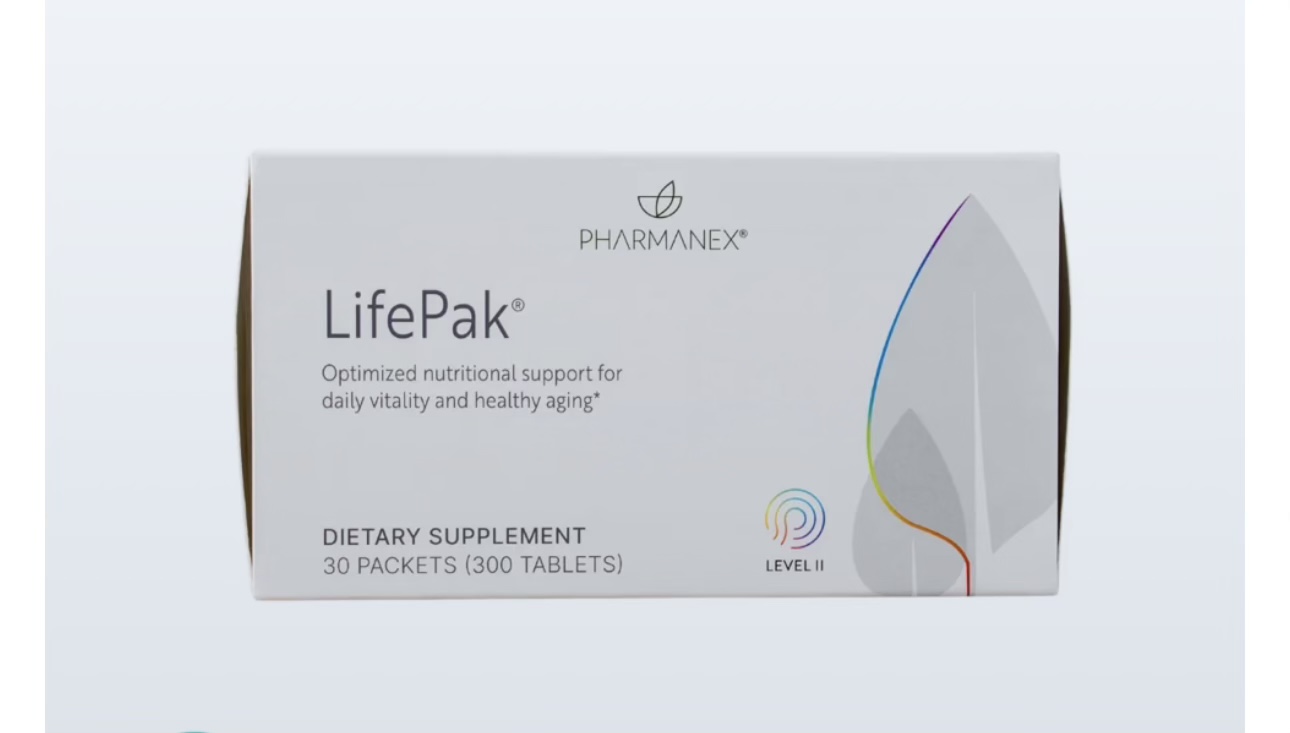
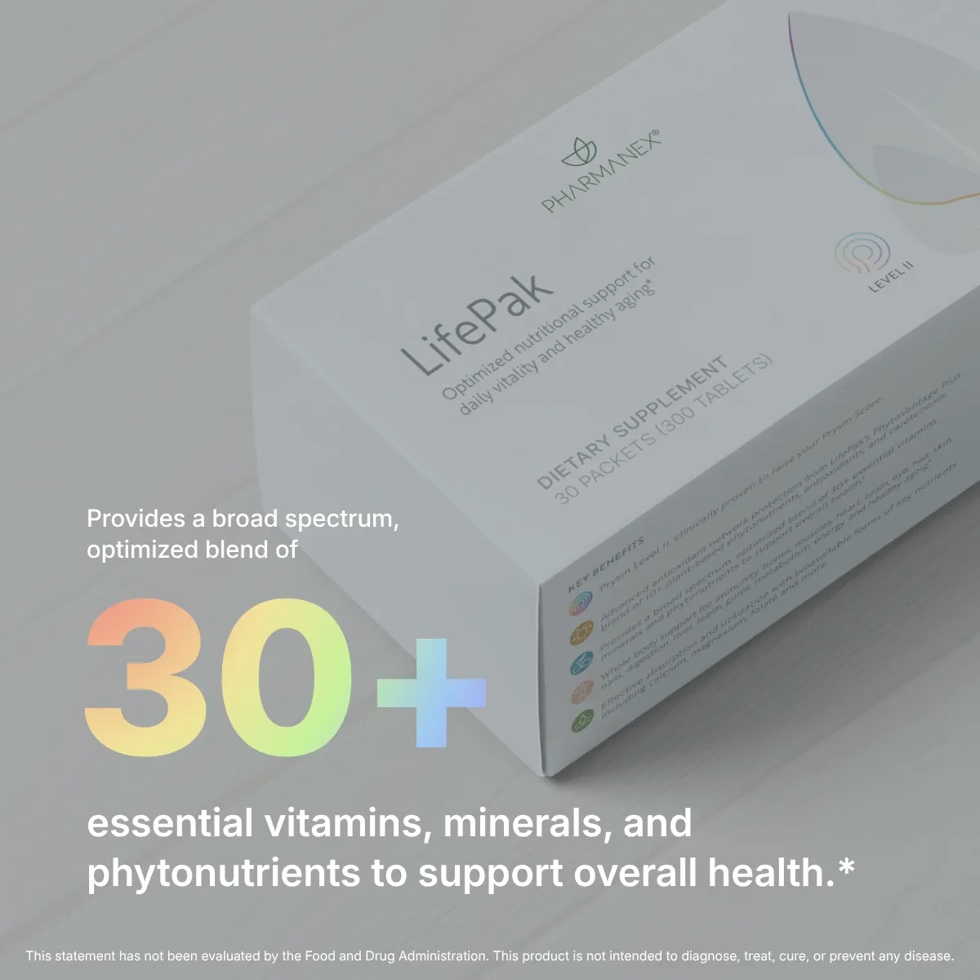
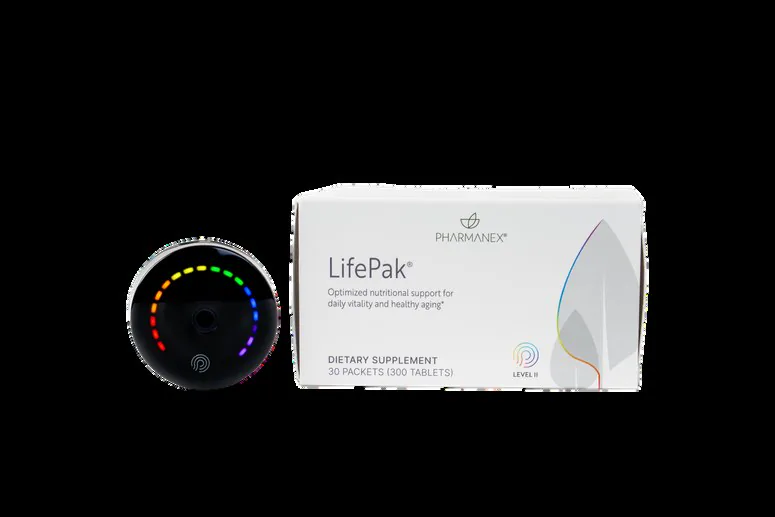
A clinically dosed daily pack of over 30 vitamins, minerals, carotenoids, and plant antioxidants, portioned into grab-and-go form. It goes past a basic multivitamin with a broad phytonutrient blend -- grape seed, resveratrol, turmeric, lutein, beta-carotene, quercetin, and more -- alongside bioavailable forms of the essentials like methylated B-vitamins, natural vitamin E, K2, and marine-based magnesium. It is built to be the wide nutritional floor under your day, so the more targeted things you add have something solid to stand on.
Why the evidence supports it
The value here is coverage, not a single hero ingredient. Broad-spectrum nutrient research consistently finds that most people run low across several everyday vitamins and minerals at once, and that correcting a spread of small shortfalls does more for baseline cellular function than mega-dosing any one nutrient. A balanced, clinically dosed foundation is what the evidence favors -- which is exactly how this is built.
What it supports
- Provides a broad base of everyday vitamins and minerals
- Supports the body's normal antioxidant defenses
- Helps fill common gaps in a modern diet
- Supports healthy cellular energy and everyday nutritional status
Which function it supports
Ties to the cell's Build function -- giving your cells the raw vitamins, minerals, and antioxidants they use to construct and protect their own structures.
Learn the why behind this pillarHow it relates to your cells and mind
Every product here ties back to a specific job your body does. This one touches the functions below -- follow either link to see the mechanism in full, then dig into the studies.
What it is made of -- and the mechanisms behind it
Each ingredient acts on several of the body's functions. Taken together, this product touches these cell and mind functions -- follow any to see the mechanism in full.
The ingredients
Mechanisms drawn from our ingredient knowledge base (30 profiled ingredients). Structure and function only -- not a treatment claim.
What’s actually in it
Label revision 2026-03-16Transcribed from the manufacturer’s official Product Information Page, exactly as printed. Ingredient names that link open our research page for that ingredient, with the studies behind it.
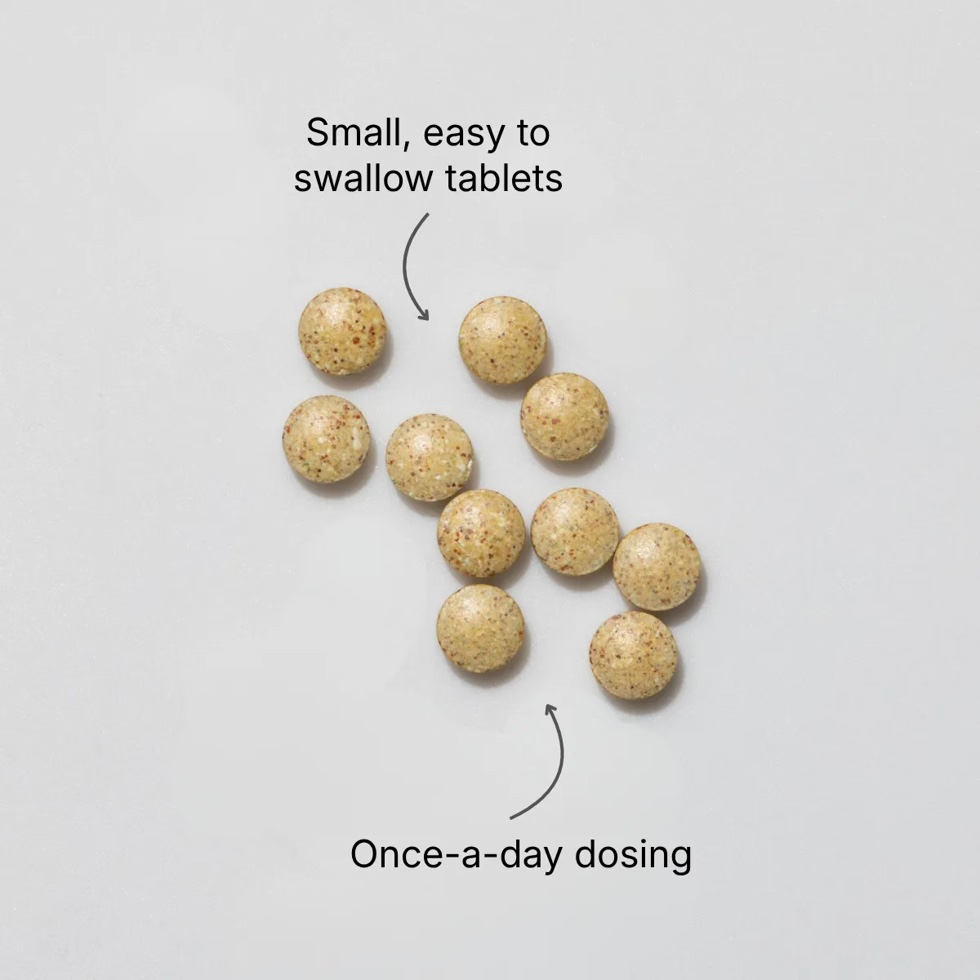
| Amount per 1 packet (10 tablets) | Amount | % DV |
|---|---|---|
| Vitamin Aas 6 mg Beta Carotene from Blakesea trispora | 3,000 mcg RAE | 333% |
| Vitamin Cas Calcium Ascorbate | 200 mg | 222% |
| Vitamin D3as Cholecalciferol | 25 mcg | 125% |
| Vitamin Eas d-alpha Tocopheryl Succinate | 30 mg | 200% |
| Vitamin K2as Menaquinone-7 | 40 mcg | 33% |
| Thiamineas Thiamine Mononitrate | 7.5 mg | 625% |
| Riboflavinas Riboflavin | 8.5 mg | 654% |
| Niacinas Niacinamide | 32 mg NE | 200% |
| Vitamin B6as Pyridoxine HCl | 10 mg | 588% |
| Folateas L-5-MTHF, Folic Acid | 1,000 mcg DFE | 250% |
| Vitamin B12as Methylcobalamin | 30 mcg | 1,250% |
| Biotin | 150 mcg | 500% |
| Pantothenic Acidas D-Calcium Pantothenate | 30 mg | 600% |
| Calciumas Lithothamnion, Calcium Ascorbate | 250 mg | 19% |
| Iodineas Potassium Iodide | 150 mcg | 100% |
| Magnesiumas Magnesium Hydroxide, Lithothamnion | 150 mg | 36% |
| Zincas Zinc Bisglycinate | 15 mg | 136% |
| Seleniumas L-Selenomethionine | 140 mcg | 255% |
| Copperas Copper Bisglycinate | 1 mg | 111% |
| Manganeseas Manganese Bisglycinate | 2.3 mg | 100% |
| Chromiumas Chromium Chloride | 100 mcg | 286% |
| Molybdenumas Molybdenum Yeast | 75 mcg | 167% |
| Lycopene | 3 mg | † |
| Luteinfrom Marigold Flower extract | 3 mg | † |
| Grape Seed ExtractVitis vinifera | 100 mg | † |
| Resveratrolas trans-Resveratrol | 5 mg | † |
| Olive Fruit ExtractOlea europaea | 66.67 mg | † |
| Quercetin | 15 mg | † |
| Citrus Bioflavonoidsfrom Citrus fruits | 15 mg | † |
| Shiitake MushroomLentinula edodes powder | 15 mg | † |
| ElderberrySambucus nigra extract | 15 mg | † |
| ArtichokeCynara scolymus extract | 50 mg | † |
| Curcuminfrom Turmeric (Curcuma longa) Root Extract | 20 mg | † |
- Servings per container:
- 30
This is the tablet form of LifePak, which is the form carried going forward. LifePak Nano and LifePak Elements are separate formulas with their own panels.
Source: official Product Information Page . Amounts are the manufacturer’s, not ours. Structure and function only -- nothing here is medical advice, and nothing here may be used to diagnose, treat, cure, or prevent any disease.
The science on the ingredients
These studies are research on the ingredients and mechanisms in this product, not on the finished product itself, and they are shown for education. For this ingredient most of the published work is laboratory or animal research rather than human trials, so read it as biology worth knowing rather than proof of an effect in people. Nothing here is medical advice, and nothing here may be used to diagnose, treat, cure, or prevent any disease. Talk to your own provider about what is right for you.
- ROLE OF VITAMIN A IN HEALTH AND ILLNESSSource
Экономика и социум · 2026
Vitamin A deficiency causes infections and preventable childhood blindness while excessive intake creates serious toxicity, establishing a narrow optimal intake range.
- Assessment of vitamin A, vitamin B2, vitamin B12, vitamin K, folate, and choline status following 4 months of multinutrient supplementation in healthy vegans: a randomised, double-blind, placebo-controlled trialDOI
European Journal of Nutrition · 2026
In a randomized trial of 72 healthy vegans, four months of a multinutrient supplement with 82 micrograms of B12 daily raised blood B12 markers, while vitamin A, choline and folate markers did not differ from placebo.
- 118. Long-term effects of maternal Vitamin A injection during late gestation on marbling in beef cattle revealed by an early-life transcriptomic approachDOI
Journal of Animal Science · 2026
Maternal vitamin A injection during late gestation increased offspring marbling and skeletal muscle development through epigenetic and myogenic signaling pathways.
- Maternal Liver Retinol Stores Do Not Ensure Adequate Calf Vitamin A Under Restricted Late‐Gestation Vitamin A IntakeDOI
Animal Science Journal · 2026
In beef cows fed restricted vitamin A late in gestation, calves had liver and plasma retinol below adequacy thresholds despite high maternal liver stores, which explained only 9.5% of calf liver retinol variation.
- Relationship Between Serum Metabolites of Carotenoids, Vitamin A, Vitamin E, and Clinical Parameters in COVID‐19 PatientsDOI
Journal of Nutrition and Metabolism · 2026
In 44 hospitalized COVID-19 patients and 39 controls, patients had lower plasma carotenoids, retinol and vitamin E and higher inflammatory markers, but carotenoid levels did not differ by disease severity.
- Prevalence of Vitamin A Deficiency and Ocular Manifestation in Malnourished ChildrenDOI
International Journal of Current Pharmaceutical Review and Research · 2026
Vitamin A deficiency occurred in 38% of malnourished children and was significantly more prevalent in those with severe malnutrition and infections.
An overview of the placenta's role in the development of congenital diaphragmatic herniaEmergingExpert review2026
Review synthesized evidence showing complex interplay between placental function and congenital diaphragmatic hernia pathogenesis, with emphasis on retinoic acid signaling pathway.
Nilhan Torlak; Marc Oria; Braxton Forde; Jose L Peiro; Emrah Aydin
Long-distance object motion evokes direction selectivity in retinal neurons through nicotinic receptors in bipolar cellsEmerging2026
In mouse retina, long-distance moving bars evoked stronger direction selectivity than local bars in starburst amacrine and ganglion cells, and the alpha7 antagonist MLA reduced that enhancement.
Jeremy M Bohl; Andrew M Garrett; Tomomi Ichinose
The potential use of hydrogen in the extraction of phytochemicals from neglected and underutilized plant species for enhanced human nutritionEmerging2026
A review argues hydrogen-based extraction could improve recovery of phenolics, carotenoids and micronutrients from neglected and underutilised crops, while noting hydrogen is flammable between roughly 4% and 75% in air.
Emel Uçarer; Yasemin Arslan Hüdaverdi; Muhammed Allam Elnasanelkasim; Enes Kavrut; Solmaz Alkan; Kairat Bekbayev; Akerke Toleugazykyzy; Bakytzhan Bolkenov; Roza Bekbayeva; Abdyssemat Samadun; Duried Alwazeer
Diuretic inhibition of experimental myopia implicates retinal ion-driven efflux in the regulation of ocular growthEmerging2026
In 169 chicks fitted with defocusing lenses, intravitreal furosemide and amiloride reduced lens-induced myopia while bumetanide and amiloride suppressed hyperopia, with retinal responses preserved on electroretinography.
Melanie J Murphy; Nina Riddell; David P Crewther; Brian M Ignacio; Sheila G Crewther
Aberrant maintenance of developmental transcription factor PAX6 promotes neuronal cell death via JNK3 signalingEmerging2026
After NMDA excitotoxic stress, JNK3 phosphorylated the developmental transcription factor PAX6 without changing its levels, enhancing chromatin binding at Bax and Gadd45a; knocking down either protein reduced retinal ganglion cell death in mice.
Ji-Young Kim; Mi-Jin An; Jinho Kim; Chul-Hong Kim; Yuna Park; Geun-Seup Shin; Hyun-Min Lee; Ah-Ra Jo; Mi Jin Kim; Yujeong Hwangbo; Tae Kyung Hong; Jee Taek Kim; Uimook Choi; Jung-Woong Kim
Targeting VDR-RXR heterodimerization in neurodegenerative diseases: a hypothetical framework for combined vitamin D3 and vitamin A therapyEmerging2026
A hypothesis paper proposes combining vitamin D3 with vitamin A so that VDR-RXR heterodimers more strongly regulate neuronal survival, inflammation and oxidative balance genes in Alzheimer's and Parkinson's disease; the idea awaits experimental validation.
Mujittapha Umar Sirajo; Rukevwe Obie; Abubakar I Mukhtar; Nasiru M Abdullahi; Enaohwo M Taniyohwo; John C Oyem; Ibrahim M Badamasi
Perfluorohexane sulfonate (PFHxS)-induced energy metabolism disruption in Chlorella pyrenoidosa: Integrating physiological and transcriptomic insightsEmerging2026
Over 12 days, 1 mg/L perfluorohexane sulfonate inhibited Chlorella pyrenoidosa growth 9%, cut chlorophyll a 11% and carotenoids 15%, raised superoxide dismutase 74% and catalase 79%, and dropped ATP 57%.
Liao B; Pan CG; Peng FJ; Hu JJ; Liu S; Chen JX; Wei LY; Xu XR; Yu K -- Environmental pollution (Barking, Essex : 1987)
Environmental Exposures and Oxidative Stress in Retinal and Optic Nerve Diseases: Mechanisms, Consequences, and Therapeutic OpportunitiesEmerging2026
A review examines how cigarette smoke, ultraviolet radiation, heavy metals, microplastics and PFAS promote retinal oxidative injury through mitochondrial dysfunction, inflammatory signalling and ferroptotic pathways.
Jacob K Roberson; Anais N Bauer; Anahy Lopez-Ramirez; Daniel B Jenness; Sebastian Cruz Zayas; Jessica N Cooke Bailey; Tracey L Woodlief
Chronic exposure to aerosolized Arizona test dust reduces visual acuity in miceEmerging2026
Mice exposed to aerosolised Arizona test dust three hours daily for up to four months showed reduced visual acuity from one month, fewer cone photoreceptors and retinal ganglion cells, and raised Nrf2 pathway gene expression.
Milin J Patel; Maumita Datta; Valentina Baredes; Tiffany Fuentes-Gonzalez; Shiloh Bass; Diego Alba; Adam C Soloff; Abigail S Hackam
Saponins Do Not Impede the Bioaccessibility of Minerals and Fat-Soluble Vitamins from Different Quinoa GenotypesEmerging2026
In vitro digestion of 12 quinoa genotypes, six bitter and six nonbitter, found no difference in the bioaccessibility of minerals, carotenoids or tocochromanols, so saponins did not impair micelle formation.
Luise A Lindenmayer; Miriam J Mayer; Sandra M Schmöckel; Jan Frank
Carotenoid Status and Psychological Impact of Presymptomatic Macular Degeneration Genetic Risk Assessment: The MAGENTA Randomized TrialEmerging2026
In the MAGENTA trial, 80 presymptomatic adults randomised to immediate or deferred disclosure of age-related macular degeneration genetic risk showed no change in skin, plasma or macular carotenoids at 12 months and no worsening stress.
Emmanuel K Addo; Lucia Lucci; Jens Nilson; Marcela Pasaye; Chris Pappas; Emily Spoth; Lisa Ord; Amani Jridi; Ben J Brintz; Gregory S Hageman; M Elizabeth Hartnett; Paul S Bernstein
Physicochemical Properties and Antioxidant Activity of Mozzarella Cheese Supplemented with Carrot PowderEmerging2026
Adding 0.5 to 2% carrot powder to mozzarella cheese cut yield from 27.59% to 21.12% and stretchability from 32.13 to 21.07 cm while raising phenolics, carotenoids and antioxidant activity, with 1% best balanced.
Yongha Park; Eun-Sun Hwang
Retinoic acid production via the ray-finned fish gene bco1l is essential for juvenile developmentEmerging2026
CRISPR knockout of bco1l in Siamese fighting fish lowered vitamin A and raised beta-carotene in larvae, causing stunted growth and death that exogenous retinoic acid largely rescued, with bco1l 7 times more abundant than bco1 in intestine.
Lochlan Sife Krupa; Paula R Villamayor; Sepalika Bandara; Yanqi Zhang; Alec Palmiotti; Johannes von Lintig; Andres Bendesky
Variation in the Circulating Levels of Retinoic Acid and Type 2 Diabetes: Relationships with Glycemic Control Indices, Disease Treatment and ComplicationsEmerging2026
In 292 adults with type 2 diabetes and 64 controls, plasma retinoic acid was lower in patients (2.63 versus 5.21 ng/mL) and inversely correlated with glycemic dysregulation and insulin resistance indices.
Aseel A Alsaidan; Basil M Alomair; Abdulrahman H Almaeen; Jumanah M Q Aldirbas; Bdour R S Alanazi; Raghad H S Algaed; Alanoud F B Alruwaili; Nouf M S Alruwaili; Duna F A Aljbab; Lama A A Alenzi; Razan S S Albalawi; Alaa A Mohamed; Tarek H El-Metwally
Retinol-binding protein 4 in cardiovascular diseases: mechanisms and therapeutic perspectivesEmerging2026
A review of retinol-binding protein 4 reports higher serum levels in patients with carotid atherosclerosis and cerebral infarction, correlating with intima-media thickness, and discusses its potential as a cardiovascular biomarker.
Jiefang Chen; Gaijie Chen; Xiaojing Xu; Jiewen Zhang; Feng Liu
Enhancing Stability of Vitamin-Fortified Protein Beverages: Optimization of Stabilizer Type and Concentration and Screening of Natural Antioxidant CombinationsEmerging2026
In a vitamin A, D2 and D3 fortified protein beverage, 0.35% microcrystalline cellulose stabilised best, and a 4:4:2 blend of EGCG, tea polyphenols and dl-alpha-tocopherol extended predicted shelf life beyond 84 days.
Jiaxin Li; Sumei Ru; Linru Zhu; Yingshuang Lu; Junping Wang; Yan Zhang; Lu Dong; Shuo Wang
All-Trans Retinoic Acid and Curcumin Exhibit Hormesis or Synergistic Anticancer Effects in U87 Glioblastoma Cells: Defining the Proteome Accompanying SynergismEmergingPrimary research (design unspecified)2026
Low doses of curcumin and all-trans retinoic acid separately stimulated glioblastoma cell proliferation, while high doses inhibited growth; combined high doses showed synergistic anti-cancer effects and distinct proteomic changes.
Ceyda Sönmez; Meric A Altinoz; Aleyna Baltacıoğlu; Büşra Ergün; Aysel Özpınar
Role of α7 Nicotinic Acetylcholine Receptor and Protein Kinase C in Rat Retinal Ganglion Cell Survival In VitroEmerging2026
In neonatal rat retinal cell cultures, the alpha7 agonist PNU-282987 increased retinal ganglion cell survival and modulated TNF-alpha and IL-1beta, while the antagonist MLA blocked the survival effect of PKC activation.
Renan Lyra Miranda; Larissa Costa Santos; Cassiano Felippe Gonçalves-de-Albuquerque; Adriana Ribeiro Silva; Hugo Caire Castro-Faria-Neto; Elizabeth Giestal-de-Araujo; Aline Araujo Dos Santos
Multifaceted Food Effects on Intestinal Drug Uptake Transporters: Mechanistic Insights from Small Molecules to MacromoleculesEmergingPrimary research (design unspecified)2026
Apple-derived microRNAs suppressed bile acid transporter ASBT expression by downregulating retinoic acid receptor alpha in intestinal cells.
Foraging, perennial vegetables, and nutritional resilience in a farmworker community: a mixed-methods analysis comparing nutrition functional diversity and the healthy eating indexEmergingPrimary research (design unspecified)2026
Farmworker households in Florida employed diverse food procurement with foraging contributing 180 -- 200% RDA vitamin A, plus substantial calcium and vitamin K.
Rebecca Garofano; Rick Burnette; Margaret A Voss
Vitamin C Supplementation in Hospitalized Patients With Community-Acquired Pneumonia: Protocol for a Randomized Controlled TrialEstablishedClinical trial2026
A registered protocol only, no results reported. Plans a randomized trial of extended high-dose oral vitamin C versus placebo in hospitalized adults with community-acquired pneumonia.
Yogesh Sharma; Arduino A Mangoni; Richard Woodman; Huah Shin Ng; Manisha Arthur; Subodha Sumanadasa; Shailesh Bihari; Campbell Thompson
Beyond redox: vitamin C in signaling, epigenetic regulation and protein modification-relevance to cancer therapyEmergingExpert review2026
Vitamin C acts as a cofactor in epigenetic and protein-modification pathways independent of its antioxidant role, influencing pluripotency and differentiation through DNA demethylation and lysine modification.
Amisha S Hebbar; Sandra Nixon; Hanumappa Ananda; Manasa Nune; Vinay Kumar Rao
EP1562 - ECE_1745 - Probiotics and antioxidants as a synergistic immunomodulatory therapy in autoimmune thyroiditisEmergingPrimary research (design unspecified)2026
In 48 patients with Hashimoto's thyroiditis or Graves' disease, six months of probiotics plus vitamin C or selenium was linked to lower anti-thyroglobulin and TRAb antibodies and TSH normalization in Graves' disease.
Federica Riccobene; L. Nitoi -- European Journal of Endocrinology
DETERMINATION OF ASCORBIC ACID CONTENT IN THE AERIAL PART OF ICELAND MOSS (CETRARIA ISLANDICA)EmergingPrimary research (design unspecified)2026
Iceland moss (Cetraria islandica) was found to contain ascorbic acid by HPLC analysis, suggesting potential use as a dietary vitamin C source.
Ilxomova Feruza Sherali Qizi; Ibragimova Dildora Maxmudjonovna -- Eurasian Journal of Medical and Natural Sciences
Balanced by design -- we show supporting and contradicting findings. Search all studies
If you have had labs done
These are lab markers where this product's ingredients have measured evidence in our citation library. This is not a claim that the product will change your results -- the research attaches to the ingredient, and what a marker means depends on the whole picture. Each one links to its full entry, including what typically moves it and how to read it.
- Zincsolid evidence
via Zinc · 2,123 studies, 444 in people
What people often notice when this marker sits outside the usual range
Higher: Nausea and metallic taste at high oral doses.
Lower: Frequent colds that last longer than everyone else's.
- Zincsolid evidence
via Zinc · 2,123 studies, 444 in people
Studied alongside selenium in subclinical hypothyroidism.
What people often notice when this marker sits outside the usual range
Lower: For the full symptom picture in both directions, read the main zinc entry -- it is the same measurement, and repeating it here would only risk the two drifting apart.
- Zinc and the Zinc:Copper Ratiosolid evidence
via Zinc · 2,123 studies, 444 in people
What people often notice when this marker sits outside the usual range
Higher: ⚠️ THE ZINC:COPPER RATIO'S REAL CONTENT IS A SAFETY WARNING, AND IT IS A GOOD ONE.
Lower: Low zinc: loss or dulling of taste and smell, slow wound healing, acne, white spots on nails, hair thinning, frequent colds, low testosterone, poor night vision.
via Vitamin D · 795 studies, 345 in people
What people often notice when this marker sits outside the usual range
Higher: ⚠️ Toxicity risk is hypercalcaemia and kidney stones.
Lower: The general deficiency picture -- fatigue, aching bones and muscles, low mood worse in winter, frequent illness, hair loss, slow healing.
- Fasting Insulin, Glucose & HOMA-IRsolid evidence
via Magnesium · 910 studies, 304 in people
What people often notice when this marker sits outside the usual range
Higher: The afternoon crash; hunger returning within two hours; central weight that will not shift; skin tags and darkened velvety skin in neck folds or armpits.
Lower: Not usually a concern; very low fasting insulin with low glucose warrants a clinician's look.
- Fasting Insulin, Glucose & HbA1csolid evidence
via Magnesium · 910 studies, 304 in people
What people often notice when this marker sits outside the usual range
Higher: The afternoon crash; central weight appearing where it never used to; hunger returning quickly; waking at 3am.
Lower: Not usually a concern in this context.
- Fasting Insulin and Insulin-like Growth Factor-1 (IGF-1)solid evidence
via Magnesium · 910 studies, 304 in people
The nutrients with real human evidence on insulin sensitivity -- read the fasting glucose entry for the counts and trials.
- Seleniumsolid evidence
via Selenium · 1,083 studies, 259 in people
What people often notice when this marker sits outside the usual range
Higher: A garlic smell on the breath with no garlic eaten -- the classic early sign.
Lower: Frequent infections and slow recovery from them -- selenium is required by the immune system's antioxidant defences.
- Magnesiumsolid evidence
via Magnesium · 775 studies, 241 in people
What people often notice when this marker sits outside the usual range
Higher: Almost always caused by supplements plus reduced kidney function, not by food.
Lower: Muscle cramps, especially calves at night; eyelid twitching that goes on for days.
- Magnesiumsolid evidence
via Magnesium · 775 studies, 241 in people
What people often notice when this marker sits outside the usual range
Lower: For the full symptom picture in both directions, read the main magnesium entry -- it is the same measurement, and repeating it here would only risk the two drifting apart.
- Magnesium RBC (Red Blood Cell Magnesium)solid evidence
via Magnesium · 775 studies, 241 in people
What people often notice when this marker sits outside the usual range
Higher: Almost always supplements plus reduced kidney function rather than food.
Lower: Muscle cramps especially calves at night; eyelid twitching; restless legs.
- Magnesiumsolid evidence
via Magnesium · 775 studies, 241 in people
What people often notice when this marker sits outside the usual range
Higher: Because muscle-meat and refined foods are low in magnesium, shortfall is common on modern diets.
Lower: A high serum magnesium is rare and almost always tied to impaired kidney function (weakness, low blood pressure) -- a medical finding, since magnesium is renally cleared.
- Magnesiumsolid evidence
via Magnesium · 775 studies, 241 in people
What people often notice when this marker sits outside the usual range
Higher: A high serum magnesium is rare and almost always tied to impaired kidney function (weakness, low blood pressure) -- a medical finding, since magnesium is renally cleared.
- Methylmalonic Acid (MMA)solid evidence
via Vitamin B12 · 546 studies, 181 in people
What people often notice when this marker sits outside the usual range
Higher: Tingling, numbness or burning in the feet and hands, usually symmetrical and worse at night.
Lower: Normal MMA is the reassuring result and carries no symptoms.
- Homocysteinesolid evidence
via Vitamin B9 · 497 studies, 178 in people
What people often notice when this marker sits outside the usual range
Higher: Usually silent -- a biochemical finding rather than a felt one.
- Homocysteinesolid evidence
via Vitamin B9 · 287 studies, 100 in people
What people often notice when this marker sits outside the usual range
Higher: Usually SILENT -- it is a biochemical finding, not a felt one, which is why it is a measurement worth making rather than a symptom to notice.
Lower: No symptoms. Very low values occasionally accompany high-dose supplementation and are not a concern in themselves.
via Vitamin B9 · 287 studies, 100 in people
What people often notice when this marker sits outside the usual range
Higher: Usually silent -- a biochemical finding rather than a felt one.
- Homocysteinesolid evidence
via Vitamin B9 · 287 studies, 100 in people
What people often notice when this marker sits outside the usual range
Higher: A high homocysteine is usually silent, and reads partly as a methylation- and B-vitamin-status signal.
Lower: A low homocysteine is generally favourable and reflects good methylation and adequate B-vitamin status.
- Vitamin Asolid evidence
via Zinc · 110 studies, 45 in people
What people often notice when this marker sits outside the usual range
Lower: For the full symptom picture in both directions, read the main vitamin A entry -- it is the same measurement, and repeating it here would only risk the two drifting apart.
- Retinol (Vitamin A)solid evidence
via Zinc · 110 studies, 45 in people
What people often notice when this marker sits outside the usual range
Higher: Headache, bone and joint pain, dry cracked lips, hair loss, liver enzyme elevation.
Lower: Night vision that is worse than it was -- the earliest and most specific sign.
- Ferritin, Iron, Iron Saturation & TIBCsolid evidence
via Copper · 238 studies, 40 in people
What people often notice when this marker sits outside the usual range
Higher: Often SILENT for years, which is what makes iron overload dangerous.
Lower: Fatigue that rest does not fix -- and it appears at LOW FERRITIN, long before haemoglobin falls or anaemia exists.
via Copper · 238 studies, 40 in people
What people often notice when this marker sits outside the usual range
Higher: In the functional mineral model framing, the concern is not iron DEFICIENCY but iron DYSREGULATION -- iron in the wrong place, unbound and oxidative, with a normal or high ferritin.
Lower: Fatigue that rest does not fix -- and it appears at LOW FERRITIN, long before haemoglobin falls.
- Serum Ceruloplasminsolid evidence
via Copper · 238 studies, 40 in people
What people often notice when this marker sits outside the usual range
Higher: Usually inflammation, pregnancy or oral oestrogen rather than a copper problem.
Lower: In the functional mineral model framing, low ceruloplasmin means copper is present but not properly bound and directed -- producing fatigue, poor iron handling, and oxidative stress.
- Vitamin D (25-Hydroxyvitamin D)solid evidence
via Calcium · 123 studies, 34 in people
What people often notice when this marker sits outside the usual range
Higher: Excess comes from supplements, essentially never from sun.
Lower: Fatigue -- our library holds an explicit study of 25(OH)D and fatigue severity in adults.
- Hemoglobin, Hematocrit, RBC Count, MCV & RDWsolid evidence
via Zinc · 43 studies, 24 in people
What people often notice when this marker sits outside the usual range
Higher: Commonest causes are dehydration (a false rise), smoking, sleep apnoea, altitude and testosterone therapy -- all worth asking about before anything rarer.
Lower: LOW MCV (small cells) points at iron deficiency, or at thalassaemia trait if iron studies are normal.
via Zinc · 108 studies, 22 in people
What people often notice when this marker sits outside the usual range
Higher: HIGH ALP: bone pain or liver/bile symptoms.
Lower: LOW ALBUMIN: swelling of ankles and feet, puffiness around the eyes, fatigue, poor wound healing, muscle loss.
- Calciumsolid evidence
via Vitamin D · 56 studies, 22 in people
What people often notice when this marker sits outside the usual range
Higher: "Bones, stones, groans and psychic moans" -- the old teaching phrase, and still the best summary: bone pain, kidney stones, abdominal pain and constipation, low mood and confusion.
Lower: Tingling around the mouth and in the fingers and toes.
- Calciumsolid evidence
via Vitamin D · 56 studies, 22 in people
What people often notice when this marker sits outside the usual range
Higher: A high serum calcium needs clinical work-up -- causes include parathyroid, vitamin D and kidney issues -- not a supplement adjustment.
- Thyroglobulin Antibodies (TgAb)solid evidence
via Selenium · 31 studies, 17 in people
What people often notice when this marker sits outside the usual range
Higher: Often NONE for years. Antibodies commonly precede any change in TSH or in how someone feels by a long time -- which is the argument for measuring them early rather than waiting.
Lower: Negative antibodies are the desired result and carry no symptoms.
- Thyroid Peroxidase Antibodies (TPOAb)solid evidence
via Selenium · 31 studies, 17 in people
What people often notice when this marker sits outside the usual range
Higher: Often NONE for years -- antibodies commonly precede any change in TSH or in how someone feels by a long time.
Lower: Negative antibodies are the desired result.
- Thyroglobulin Antibodies (TgAb)solid evidence
via Selenium · 31 studies, 17 in people
What people often notice when this marker sits outside the usual range
Higher: Same picture as TPO antibodies -- frequently silent for years, then the hypothyroid symptoms appearing while TSH still reads normal.
Lower: Negative is the desired result.
via Selenium · 31 studies, 17 in people
What people often notice when this marker sits outside the usual range
Higher: In an autoimmune panel these are here because THYROID AUTOIMMUNITY IS THE COMMONEST AUTOIMMUNE CONDITION THERE IS, and it clusters with everything else on this panel.
Lower: Negative is the desired result.
- TSH -- Fertility-Specific Interpretationsolid evidence
via Selenium · 31 studies, 17 in people
What people often notice when this marker sits outside the usual range
Higher: The hypothyroid picture -- cold, fatigue, fog, constipation, dry skin, hair thinning -- plus the fertility-specific ones: heavier or longer periods, anovulatory cycles, and reduced fertility.
Lower: Overactive thyroid also disrupts cycles and fertility, and needs treating rather than tolerating.
- Vitamin Dsolid evidence
via Magnesium · 43 studies, 16 in people
Required for both activation steps.
What people often notice when this marker sits outside the usual range
Higher: Excess risks hypercalcaemia and kidney stones -- read the main vitamin D entry.
- Vitamin D (Gut Barrier)solid evidence
via Magnesium · 43 studies, 16 in people
Both hydroxylation steps that activate vitamin D are magnesium-dependent.
What people often notice when this marker sits outside the usual range
Higher: See the main vitamin D entry -- excess risks hypercalcaemia and kidney stones.
Lower: Vitamin D deficiency is consistently associated with altered gut microbiota and increased permeability in observational data.
- Vitamin D (25-hydroxyvitamin D)solid evidence
via Magnesium · 43 studies, 16 in people
Required for both hydroxylation steps.
What people often notice when this marker sits outside the usual range
Higher: Excess risks hypercalcaemia and kidney stones -- toxicity comes from supplements, essentially never from sun.
Lower: Fatigue, aching bones and muscles, low mood worse in winter, frequent illness, hair loss.
- Cortisolsolid evidence
via Magnesium · 34 studies, 16 in people
What people often notice when this marker sits outside the usual range
Higher: "Wired but tired" -- exhausted all day, then alert the moment the head hits the pillow.
Lower: Profound fatigue that is worst in the morning, and improves slightly through the day -- the reverse of the usual pattern.
- Mercurysolid evidence
via Selenium · 114 studies, 15 in people
What people often notice when this marker sits outside the usual range
Higher: Often silent at dietary levels.
Lower: No symptoms. Mercury has no biological function -- there is no deficiency.
- Estradiol, FSH, LH, Prolactin, DHEA-S & Testosteronesolid evidence
via Vitamin D · 28 studies, 14 in people
What people often notice when this marker sits outside the usual range
Higher: HIGH FSH with low oestradiol is the menopause transition signal.
Lower: Joint aches that appeared with no injury; skin and hair changing texture.
- Estradiol (E2)solid evidence
via Vitamin D · 28 studies, 14 in people
What people often notice when this marker sits outside the usual range
Higher: Breast tenderness, heavy or painful periods, fluid retention, worsening premenstrual mood, headaches around the period.
Lower: Vaginal dryness, painful sex, poor sleep, low mood, hot flushes, brain fog and word-finding difficulty.
- Thyroid-Stimulating Hormone (TSH)solid evidence
via Selenium · 18 studies, 11 in people
What people often notice when this marker sits outside the usual range
Higher: Cold all the time, especially hands and feet, and needing more layers than everyone else in the room.
Lower: Racing or irregular heartbeat, palpitations, waking at night with the heart pounding.
- Thyroid-Stimulating Hormone (TSH)solid evidence
via Selenium · 18 studies, 11 in people
What people often notice when this marker sits outside the usual range
Higher: HIGH TSH = UNDERACTIVE THYROID -- the counterintuitive part people get wrong constantly.
Lower: LOW TSH = OVERACTIVE THYROID, or too much thyroid medication -- the commoner cause in anyone already treated.
- Free T3 : Reverse T3 Ratiosolid evidence
via Selenium · 18 studies, 11 in people
The deiodinases that convert T4 to T3 are selenoproteins; zinc is required for their activity and for receptor binding; thyroid peroxidase is a haem enzyme.
What people often notice when this marker sits outside the usual range
Higher: No recognised significance.
Lower: The claim: a low free T3 to reverse T3 ratio means T4 is being routed to the inactive form, producing hypothyroid symptoms with normal standard labs -- cold, fatigue, fog, weight gain.
- White Blood Cell Count & Differentialsolid evidence
via Vitamin C · 14 studies, 10 in people
What people often notice when this marker sits outside the usual range
Higher: Usually an active infection -- fever, feeling unwell, a specific site that hurts.
Lower: Frequent or lingering infections; mouth ulcers; slow recovery.
- Glucose (Fasting)solid evidence
via Zinc · 18 studies, 9 in people
What people often notice when this marker sits outside the usual range
Higher: Waking at 3am, often with a racing heart -- 'why do i wake up at 3am every night'.
Lower: Shakiness, sweating, sudden anxiety and difficulty concentrating that resolve within minutes of eating.
- High-Sensitivity C-Reactive Protein (hs-CRP)solid evidence
via Vitamin D · 9 studies, 8 in people
What people often notice when this marker sits outside the usual range
Higher: Deep, unrefreshing fatigue -- searched as 'tired all the time blood tests normal' and 'why am i tired even after 8 hours sleep'.
Lower: No symptoms. Low is the desirable direction.
- High-Sensitivity C-Reactive Protein (hs-CRP)solid evidence
via Vitamin D · 9 studies, 8 in people
What people often notice when this marker sits outside the usual range
Higher: Poor recovery from ordinary exertion; getting ill more easily.
Lower: Low is the desired direction.
- High-Sensitivity C-Reactive Protein (hs-CRP)solid evidence
via Vitamin D · 9 studies, 8 in people
What people often notice when this marker sits outside the usual range
Higher: Deep unrefreshing fatigue, migrating aching, brain fog, low mood with no situational cause, poor recovery -- all of which overlap the perimenopause symptom list almost exactly.
Lower: Low is the desired direction.
- Sodium, Potassium, Chloride & CO2 (Electrolytes)solid evidence
via Magnesium · 17 studies, 7 in people
What people often notice when this marker sits outside the usual range
Higher: HIGH SODIUM: thirst, dry mouth, confusion -- almost always dehydration rather than salt intake.
Lower: LOW SODIUM: headache, nausea, confusion, fatigue, muscle cramps.
- Zonulin (serum and fecal)solid evidence
via Zinc · 11 studies, 7 in people
What people often notice when this marker sits outside the usual range
Higher: Bloating and abdominal discomfort that does not track neatly with any one food.
Lower: No symptoms; an intact barrier is the desired state.
- Free T3 (Triiodothyronine) & Free T4 (Thyroxine)solid evidence
via Selenium · 17 studies, 6 in people
What people often notice when this marker sits outside the usual range
Higher: Palpitations, tremor, heat intolerance, anxiety, weight loss, loose stools, poor sleep -- the overactive picture.
Lower: The hypothyroid picture even when TSH reads normal -- cold, flat, foggy, constipated, dry-skinned, losing hair.
- Free T4 (Free Thyroxine)solid evidence
via Selenium · 17 studies, 6 in people
What people often notice when this marker sits outside the usual range
Higher: Palpitations, tremor, heat intolerance, anxiety, weight loss, loose stools, poor sleep.
Lower: The hypothyroid picture -- cold, fatigue, fog, constipation, dry skin, hair thinning, heavy periods, low mood.
- Free T3 (Free Triiodothyronine)solid evidence
via Selenium · 17 studies, 6 in people
What people often notice when this marker sits outside the usual range
Higher: Palpitations, tremor, heat intolerance, anxiety, weight loss, loose stools.
Lower: The hypothyroid picture EVEN WHEN TSH READS NORMAL -- cold, flat, foggy, constipated, dry-skinned, losing hair.
- Uric Acidsolid evidence
via Vitamin C · 20 studies, 5 in people
What people often notice when this marker sits outside the usual range
Higher: Sudden severe pain, redness and swelling in one joint -- classically the base of the big toe, often starting overnight.
- Hemoglobin A1c (HbA1c)solid evidence
via Zinc · 6 studies, 4 in people
Supplementation moved glycaemic biomarkers including HbA1c.
What people often notice when this marker sits outside the usual range
Higher: Everything listed under fasting glucose, but with more time behind it -- HbA1c is a three-month average, so symptoms are usually established rather than new.
- Omega-3/Omega-6 Fatty Acid Panel (EPA, DHA, DPA, Arachidonic Acid, Linoleic Acid, Ratios)solid evidence
via Vitamin E · 6 studies, 3 in people
What people often notice when this marker sits outside the usual range
Higher: Very high intakes: easier bruising, longer bleeding from small cuts, and a fishy aftertaste or reflux.
Lower: Dry, rough or bumpy skin on the backs of the arms; dry eyes; dry, brittle hair.
- Bone Health: DEXA / T-score, CTX, P1NPemerging evidence
via Magnesium · 828 studies, 450 in people
Cofactor for both vitamin D activation and PTH secretion.
What people often notice when this marker sits outside the usual range
Higher: A high T-score is favourable; very high values occasionally reflect degenerative change in the spine artificially inflating the reading.
Lower: Bone loss is SILENT until a fracture.
- Vitamin D, Calcium, and Parathyroid Hormone (PTH)emerging evidence
via Magnesium · 828 studies, 450 in people
Cofactor for both vitamin D activation and PTH secretion.
What people often notice when this marker sits outside the usual range
Lower: CALCIUM LOW: tingling around the mouth and in fingers, muscle cramps and twitching, irritability.
- Antinuclear Antibodies (ANA) -- Titer and Patternemerging evidence
via Vitamin D · 795 studies, 345 in people
What people often notice when this marker sits outside the usual range
Higher: Joint pain and stiffness WORSE IN THE MORNING and easing with movement -- the opposite of mechanical wear.
Lower: Negative is expected and carries no symptoms.
- Anti-Cyclic Citrullinated Peptide (Anti-CCP / ACPA)emerging evidence
via Vitamin D · 795 studies, 345 in people
What people often notice when this marker sits outside the usual range
Higher: Symmetrical small-joint pain and swelling -- both hands, both wrists -- with morning stiffness lasting more than about an hour and easing with movement.
- Immunoglobulin E (IgE), Total and Allergen-Specificemerging evidence
via Vitamin D · 795 studies, 345 in people
Reasonable to correct a deficiency on its own merits.
What people often notice when this marker sits outside the usual range
Higher: Hay fever, allergic rhinitis, itchy watery eyes.
Lower: Normal, and a normal total IgE does not exclude allergy.
- Prostate-Specific Antigen (PSA) Total, Free & Percent Freeemerging evidence
via Lycopene · 29 studies, 12 in people
What people often notice when this marker sits outside the usual range
Higher: Frequently NOTHING -- which is the entire reason PSA is measured rather than waited for.
Lower: No symptoms. ⚠️ Note that finasteride and dutasteride roughly HALVE PSA -- a result on either must be doubled to be interpreted, and forgetting this hides real findings.
- Prostate-Specific Antigen (PSA)emerging evidence
via Lycopene · 29 studies, 12 in people
What people often notice when this marker sits outside the usual range
Higher: Frequently NOTHING -- which is the entire reason PSA is measured rather than waited for.
Lower: ⚠️ Finasteride and dutasteride roughly HALVE PSA.
- ANA Screen, Titer & Pattern; Rheumatoid Factoremerging evidence
via Vitamin D · 43 studies, 9 in people
What people often notice when this marker sits outside the usual range
Higher: Joint pain and stiffness that is WORSE IN THE MORNING and eases with movement -- the opposite of mechanical wear, which worsens through the day.
Lower: A negative result is the expected one and carries no symptoms.
- Fasting Glucoseemerging evidence
via Zinc · 18 studies, 9 in people
What people often notice when this marker sits outside the usual range
Higher: A high fasting glucose is often silent early -- the classic high-sugar symptoms (excess thirst, frequent urination, fatigue, blurred vision) tend to appear later and higher.
Lower: A genuinely low glucose (hypoglycaemia) can cause shakiness, sweating, irritability, hunger and lightheadedness -- but a low-normal fasting value in a healthy person is usually favourable.
- Fasting Insulinemerging evidence
via Zinc · 18 studies, 9 in people
What people often notice when this marker sits outside the usual range
Higher: Must be drawn fasting to be interpretable, and read alongside glucose (as HOMA-IR), never in isolation.
Lower: A low fasting insulin, with a normal glucose, generally reflects good insulin sensitivity -- the favourable direction.
- Fasting Glucoseemerging evidence
via Zinc · 18 studies, 9 in people
What people often notice when this marker sits outside the usual range
Higher: A high fasting glucose is often silent early -- the classic high-sugar symptoms (excess thirst, frequent urination, fatigue, blurred vision) tend to appear later and higher.
Lower: A genuinely low glucose (hypoglycaemia) can cause shakiness, sweating, irritability, hunger and lightheadedness -- but a low-normal fasting value in a healthy person is usually favourable.
- Leademerging evidence
via Zinc · 21 studies, 8 in people
What people often notice when this marker sits outside the usual range
Higher: In adults, usually SILENT at the levels now common.
Lower: No symptoms. Lead has no biological function -- there is no deficiency, and lower is always better.
- Potassiumemerging evidence
via Magnesium · 17 studies, 7 in people
What people often notice when this marker sits outside the usual range
Higher: Serum potassium is a SAFETY marker, tightly regulated -- the body defends the blood level even when dietary intake is low, so a normal serum value does not confirm good dietary intake.
Lower: A low serum potassium (hypokalaemia) can cause muscle cramps, weakness, fatigue, constipation and palpitations -- also a medical finding to address with a clinician.
- Potassiumemerging evidence
via Magnesium · 17 studies, 7 in people
What people often notice when this marker sits outside the usual range
Higher: Serum potassium is a tightly regulated SAFETY marker -- the body defends the blood level even when dietary intake is low, so a normal serum value does not confirm good dietary intake.
Lower: A low serum potassium (hypokalaemia) can cause muscle cramps, weakness, fatigue, constipation and palpitations -- also a medical finding to address with a clinician.
- Triglyceride:HDL Ratioemerging evidence
via Chromium · 8 studies, 6 in people
What people often notice when this marker sits outside the usual range
Lower: A low ratio suggests good insulin sensitivity -- the favourable direction.
- Fasting Insulinemerging evidence
via Chromium · 8 studies, 6 in people
What people often notice when this marker sits outside the usual range
Higher: A high fasting insulin is one of the EARLIEST signals of insulin resistance -- insulin climbs to keep glucose normal for years before glucose itself rises.
Lower: A low fasting insulin, with a normal glucose, generally reflects good insulin sensitivity -- the favourable direction.
- HOMA-IR (calculated -- a derived value, not a measured one)emerging evidence
via Chromium · 8 studies, 6 in people
What people often notice when this marker sits outside the usual range
Higher: Because it is built from fasting insulin, it carries that assay's variability -- interpret the trend on one lab, not an absolute number.
Lower: A low HOMA-IR (roughly under 2.0) is commonly read as insulin-sensitive -- the favourable direction, though the cutoff is population-dependent.
- Triglyceride : HDL Ratio (calculated -- a derived value)emerging evidence
via Chromium · 8 studies, 6 in people
What people often notice when this marker sits outside the usual range
Lower: A low ratio suggests good insulin sensitivity -- the favourable direction.
- Uric Acidemerging evidence
via Vitamin C · 20 studies, 5 in people
What people often notice when this marker sits outside the usual range
Lower: A low-within-range uric acid is generally viewed as more favourable for vascular and kidney load -- though that is a mechanistic read, not a validated target.
- Total & Free Testosteroneemerging evidence
via Zinc · 15 studies, 5 in people
What people often notice when this marker sits outside the usual range
Higher: Acne, oily skin, unwanted facial or body hair, scalp hair thinning at the crown.
Lower: Low libido, low drive, loss of muscle tone, flat mood.
- Total & Free Testosteroneemerging evidence
via Zinc · 15 studies, 5 in people
What people often notice when this marker sits outside the usual range
Lower: Low libido; reduced spontaneous erections; erectile difficulty.
via Magnesium · 9 studies, 5 in people
What people often notice when this marker sits outside the usual range
Higher: The TyG index is a calculated insulin-resistance marker built from fasting triglycerides and fasting glucose -- a derived number, not a felt symptom.
Lower: A lower TyG index (within a population) is the favourable direction -- the validating studies read it as higher-versus-lower, not against a fixed line.
- hs-CRP (High-Sensitivity C-Reactive Protein)emerging evidence
via Vitamin E · 5 studies, 5 in people
What people often notice when this marker sits outside the usual range
Higher: A high hs-CRP reflects low-grade inflammation SOMEWHERE -- you tend to feel the underlying cause (a cold, a flare, a sore joint, poor sleep, extra weight) rather than the CRP itself.
Lower: A low hs-CRP is favourable and simply reflects little systemic inflammation at the moment of the draw.
- hs-CRP (High-Sensitivity C-Reactive Protein)emerging evidence
via Vitamin E · 5 studies, 5 in people
What people often notice when this marker sits outside the usual range
Higher: hs-CRP is non-specific -- read it as a trend and in context, never as a stand-alone verdict.
Lower: A low hs-CRP is favourable and simply reflects little systemic inflammation at the moment of the draw.
- HbA1c (Hemoglobin A1c)emerging evidence
via Zinc · 6 studies, 4 in people
What people often notice when this marker sits outside the usual range
Higher: A high HbA1c reflects the same chronic high-glucose state -- silent early, then thirst, frequent urination and fatigue at higher levels.
Lower: A low HbA1c is generally favourable, but an unexpectedly low value can reflect a red-cell condition rather than excellent control -- cross-check against fasting glucose if it surprises you.
- HbA1c (Glycated Hemoglobin)emerging evidence
via Zinc · 6 studies, 4 in people
What people often notice when this marker sits outside the usual range
Higher: A high HbA1c reflects the same chronic high-glucose state as glucose, averaged over roughly three months -- silent early, then thirst, frequent urination and fatigue at higher levels.
Lower: A low HbA1c is generally favourable, but an unexpectedly low value can reflect a red-cell condition rather than excellent control -- cross-check against fasting glucose if it surprises you.
- ALT & AST (Liver Enzymes)emerging evidence
via Vitamin B6 · 10 studies, 3 in people
What people often notice when this marker sits outside the usual range
Higher: Fatigue disproportionate to activity is the commonest complaint that turns out to have a raised ALT behind it.
- eGFR, Creatinine & BUNemerging evidence
via Vitamin B12 · 8 studies, 3 in people
What people often notice when this marker sits outside the usual range
Higher: Later: swelling in ankles and around the eyes, foamy urine, fatigue, poor appetite, itching, night urination, high blood pressure.
Lower: A low creatinine usually reflects low muscle mass rather than excellent kidneys, and in older adults it can hide meaningfully reduced filtration.
- HDL Cholesterolemerging evidence
via Zinc · 5 studies, 3 in people
What people often notice when this marker sits outside the usual range
Higher: A high HDL-C is generally read as favourable, but it is a cargo measure, not the whole story -- and very high HDL from some causes does not carry the protective meaning people assume.
- Leptinemerging evidence
via Vitamin D · 5 studies, 2 in people
What people often notice when this marker sits outside the usual range
Higher: Hunger that does not switch off after an adequate meal -- the signal is present but not being heard.
Lower: Persistent hunger, cold hands and feet, low mood and stalled menstrual cycles -- the low-energy-availability pattern seen in restrictive eating and in over-training.
via Selenium · 5 studies, 2 in people
What people often notice when this marker sits outside the usual range
Higher: Eye changes -- gritty, bulging or aching eyes, double vision, lid retraction.
Lower: A negative result is the expected one and carries no symptoms.
- Urinalysis (Appearance, pH, Specific Gravity, Protein, Glucose, Ketones, Blood & Microscopic Findings)emerging evidence
via Curcumin · 2 studies, 2 in people
What people often notice when this marker sits outside the usual range
Higher: KETONES: fasting, low-carbohydrate eating, or illness.
- Urine Albumin-to-Creatinine Ratio (ACR)emerging evidence
via Curcumin · 2 studies, 2 in people
What people often notice when this marker sits outside the usual range
Higher: A rising ACR means the filter is starting to leak albumin -- one of the EARLIEST signals of strain, and it can appear while eGFR still reads perfectly normal.
Lower: A low (normal) ACR means the filter is holding albumin back as it should -- lower is better, and the change over time is what a clinician tracks.
- Complement C3 and C4emerging evidence
via Curcumin · 1 studies, 1 in people
What people often notice when this marker sits outside the usual range
Higher: C3 and C4 are acute-phase proteins and rise with ordinary inflammation and infection.
Lower: Persistently low complement with recurrent bacterial infections may instead indicate an inherited deficiency.
- Prolactincontested evidence
via Zinc · 2,298 studies, 1,096 in people
Popular in functional-medicine circles for 'balancing' prolactin, with weak direct human trial evidence for changing serum prolactin specifically.
What people often notice when this marker sits outside the usual range
Higher: Irregular, infrequent or absent periods; cycles that lengthen then stop.
Lower: Rarely clinically significant outside the postpartum period.
Lab results are interpreted by a qualified clinician who knows your history. Nothing here diagnoses anything or replaces that conversation.
No product works in isolation
Every cell function above -- Sense, Exchange, Transform, Build, Maintain, Adapt -- needs the same broad base of optimal micronutrient levels running underneath it, all the time. LifePak Tablets is not a stand-alone fix; it is one piece that plugs into that larger system. The foundation comes first, and this supports it.
Stacks well with
Pick your goal -- here is what LifePak Tablets pairs with for each. Nothing works in isolation; these share the same systems.
For Foundation Nutrition
Ready-made stacks it is part of
Foundational, or targeted?
Not everything in the shop is meant to be taken forever. Some products here are foundational -- a daily nutrient base built for long-term, ongoing use. Others are targeted -- shorter-term support for a specific season, not a lifelong habit. If you are not sure which one this is, that is a fair question to ask us before you buy.
Learn more, on your terms
Do not take our word for it -- go read. Each topic below opens a pre-loaded search so you can explore the nutrient, the mechanism, or the device for yourself.
Search the full studies libraryHow to use it
Take one sachet a day with a meal, ideally with a little fat so the fat-soluble nutrients absorb well. Morning with breakfast is the easiest habit to keep. Pair it with water.
Where to get it
Ready when you are. This link takes you to the official, verified source for this product.
Get LifePak TabletsThe studies
See the research behind the science we point to.
Explore studiesThe blog
Plain-language reads on how it all fits together.
Read the blogOptimal nutrients are the definition of longevity
Long-term cell function depends on having what it needs, at the level it needs it, for as long as it needs it. That is the whole thesis behind everything we point you to here.
When you buy through our links, we earn a small commission -- and that is what funds all the free education here. It never costs you more. Products are not intended to diagnose, treat, cure, or prevent any disease.
LifePak is a clinically dosed daily pack of vitamins, minerals, and antioxidants, portioned into grab-and-go sachets. It is built to be the broad nutritional floor under your day, so more targeted choices have solid ground to stand on. It suits anyone who wants to cover the everyday basics well rather than chase one exotic ingredient.
FAQ
What does LifePak support?
It provides a broad base of everyday vitamins and minerals, supports the body's normal antioxidant defenses, helps fill common gaps in a modern diet, and supports healthy cellular energy and everyday nutritional status.
How do I take it?
Take one sachet a day with a meal, ideally with a little fat so the fat-soluble nutrients absorb well. Morning with breakfast is the easiest habit to keep, paired with water.
What makes it different?
It is a comprehensive, balanced foundation rather than a single mega-dose of one nutrient. It covers the wide range of everyday nutrients most people are quietly short on.