$66.00
$82.00 save $16.00 -- applied automatically through this link
When you buy through our links, we earn a small commission -- and that is what funds all the free education here. It never costs you more. Products are not intended to diagnose, treat, cure, or prevent any disease.
What it is
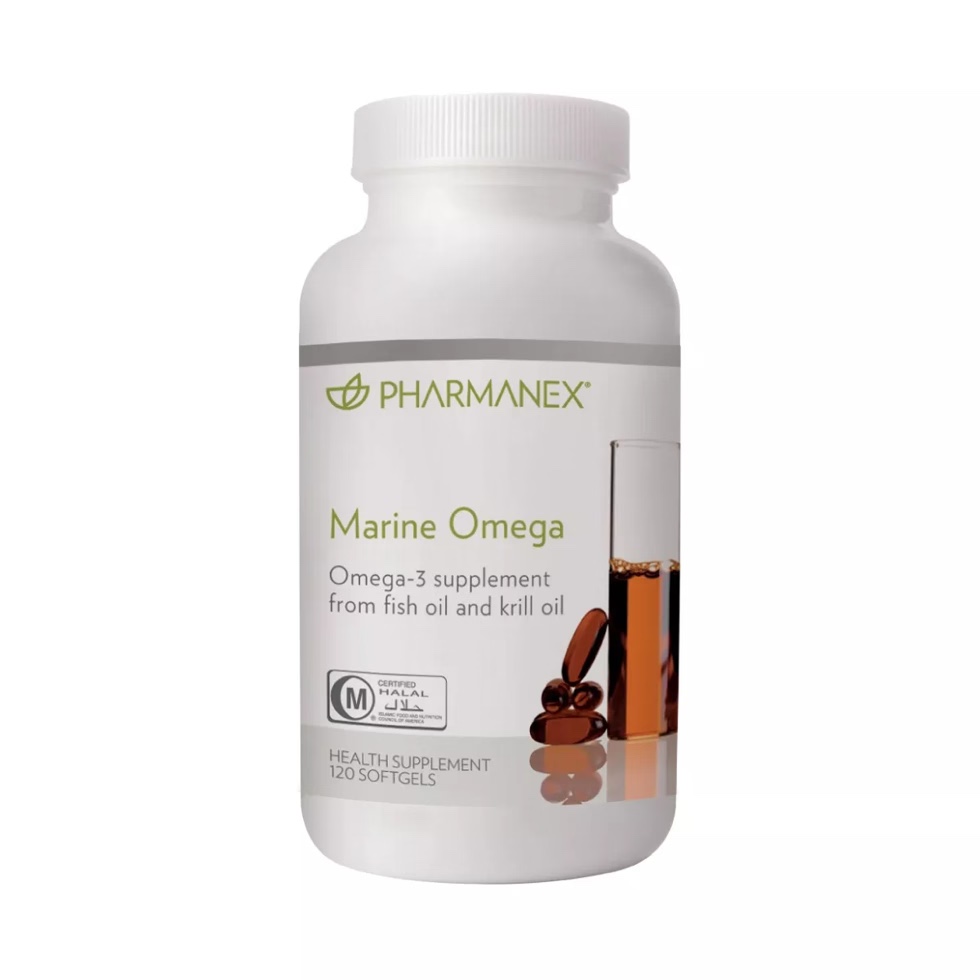
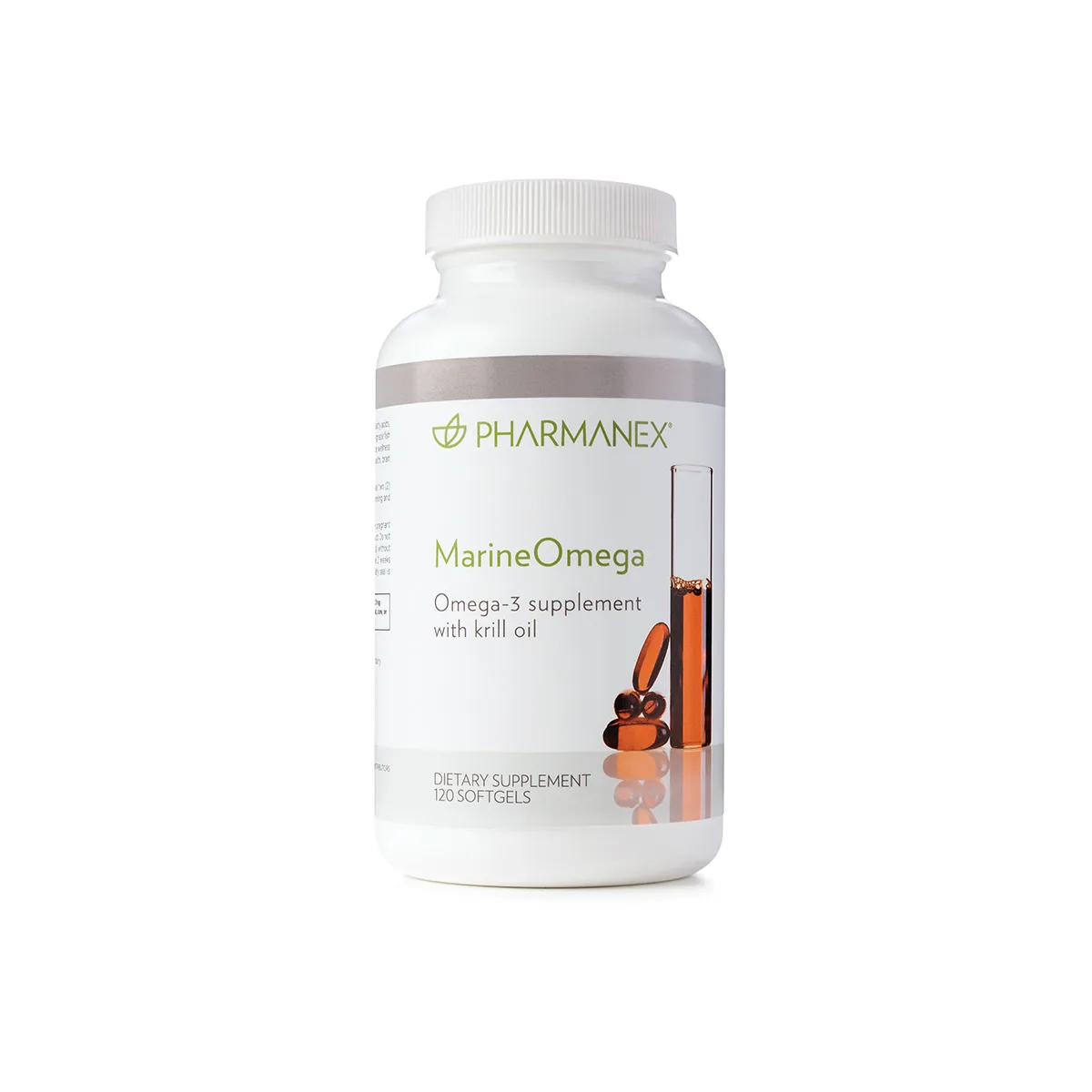
High-purity marine omega-3 fatty acids -- EPA and DHA -- drawn from ultra-pure fish oil plus krill oil, which carries these fats in a phospholipid form the body reads easily. It is tested under a 6S quality process to be free of harmful levels of toxins and heavy metals, and it includes mixed tocopherols (vitamin E) to keep the oil fresh. These are the fats that get built directly into your cell membranes, the thin outer layer where cells sense the world and pass signals.
Why the evidence supports it
Omega-3 status is one of the most consistently studied nutrition markers there is, and most modern diets run measurably low on EPA and DHA. The research ties adequate intake to healthy cell-membrane structure and a normal inflammation response -- and it also shows these fats oxidize easily, so the purity and freshness of the source genuinely matter. A marine oil tested for both is what the evidence points to.
What it supports
- Supports healthy cell membrane structure
- Supports a healthy inflammation response already within normal range
- Supports normal heart and brain function as part of a balanced diet
- Provides EPA and DHA that diets often lack
Which function it supports
Ties to the cell's Build function via the cell membrane -- omega-3s become part of the membrane itself, which is where cellular signaling and exchange play out.
Learn the why behind this pillarHow it relates to your cells and mind
Every product here ties back to a specific job your body does. This one touches the functions below -- follow either link to see the mechanism in full, then dig into the studies.
What it is made of -- and the mechanisms behind it
Each ingredient acts on several of the body's functions. Taken together, this product touches these cell and mind functions -- follow any to see the mechanism in full.
The ingredients
Mechanisms drawn from our ingredient knowledge base (3 profiled ingredients). Structure and function only -- not a treatment claim.
What’s actually in it
Label revision 2015Transcribed from the manufacturer’s official Product Information Page, exactly as printed. Ingredient names that link open our research page for that ingredient, with the studies behind it.
| Amount per 2 softgels | Amount | % DV |
|---|---|---|
| Total Calories | 20 | |
| Total Fat | 2 g | 3% |
| Saturated Fat | 0.5 g | 2% |
| Cholesterol | 0 mg | 0% |
| Marine Lipid ConcentrateEPA 300 mg; DHA 200 mg; Other Omega-3 Fatty Acids 100 mg | 2,200 mg | ** |
| Krill oil | 100 mg | ** |
- Servings per container:
- 60
- Other ingredients:
- Capsule (Gelatin, Glycerin, Purified Water, Caramel Color, Vanillin), Mixed Tocopherols (as antioxidant).
Differs from Optimum Omega by the addition of krill oil, and has double the softgels per bottle.
Source: official Product Information Page . Amounts are the manufacturer’s, not ours. Structure and function only -- nothing here is medical advice, and nothing here may be used to diagnose, treat, cure, or prevent any disease.
The science on the ingredients
These studies are research on the ingredients and mechanisms in this product, not on the finished product itself, and they are shown for education. For this ingredient most of the published work is laboratory or animal research rather than human trials, so read it as biology worth knowing rather than proof of an effect in people. Nothing here is medical advice, and nothing here may be used to diagnose, treat, cure, or prevent any disease. Talk to your own provider about what is right for you.
- Meta-analysis of DHA and EPA supplementation on cardiovascular outcomes and atrial fibrillation riskPubMed
Pharmacology Research & Perspectives · 2026
Selected high-dose purified EPA subgroups had MACE signals -- No broad MACE or atrial-fibrillation benefit for combined moderate-dose EPA+DHA; high doses may increase AF
- Effects of EPA+DHA and Corn Oil Supplementation on PUFA Concentrations across Plasma Lipid Pools and on Downstream Oxylipins: Exploratory Results from a Randomized Controlled Trial in Healthy HumansPubMed
The Journal of nutrition · 2026
EPA and DHA supplementation increased circulating anti-inflammatory oxylipins while decreasing arachidonic acid levels and pro-inflammatory oxylipin precursors in multiple plasma lipid pools.
- Total Omega-3 Fatty Acid, Eicosapentaenoic Acid (EPA), and Docosahexaenoic Acid (DHA) are Positively Associated with Sleep Duration in Children Aged 3 -- 5 Years: A Preliminary StudyDOI
The Indonesian Biomedical Journal · 2026
In a cross-sectional study of 72 Indonesian preschoolers aged 3 to 5, higher blood levels of total omega-3, EPA, and DHA were each positively associated with longer sleep duration.
- Re-evaluating omega-3 (EPA/DHA) in cancer prevention and managementDOI
Current Opinion in Clinical Nutrition & Metabolic Care · 2026
This review found eicosapentaenoic acid intake was inversely associated with colorectal cancer risk, and omega-3 supplementation was linked to modest improvements in weight, inflammation and quality of life during cancer cachexia.
- Association between the Timing of Seafood, EPA, DHA Consumption and Sleep Pattern: A Cross-Sectional StudyDOI
2026
Among 5,975 participants, median daily seafood intake was higher in early chronotypes (35 g) than in late chronotypes (27 g).
- Purified EPA versus combined EPA/DHA in coronary heart disease: clinical outcomes, mechanisms, safety, and functional food perspectivesDOI
Bioactive Compounds in Health and Disease · 2026
This narrative review concluded that purified EPA reduced cardiovascular events in selected statin-treated high-risk patients, whereas combined EPA/DHA lowered triglycerides similarly but showed less consistent event reduction.
Efficacy of phospholipid-bound omega-3 versus standard omega-3 in patients with hypertriglyceridemia: a randomized clinical trial.EmergingRandomized controlled trial2026
In a small pilot trial of 44 adults with mildly elevated triglycerides, phospholipid-bound omega-3 did not significantly outperform standard omega-3 for lowering triglycerides or omega-3 index after 12 weeks.
Urina-Triana M; David-Pardo DG; Urina-Triana M; Valencia J; Bernal-Martínez A; Urina-Jassir D; Orozco-Acosta E; Elajami TK -- BMC complementary medicine and therapies
Effects of Animal-Based Foods on Metabolic Outcomes in Adults with MASLD and Comorbidities: A Systematic Review of Randomized Controlled Trials (2020-2026)EstablishedSystematic review2026
In adults with MASLD, freshwater fish and vitamin D-fortified yogurt improved glycemic control and lipid profiles, while fish oil and omega-3 supplementation modestly improved lipid and liver markers.
Joanna Michalina Jurek; Katarzyna Zablocka-Slowinska; Joanna Pieczynska; Anna Lipert; Helena Clavero-Mestres; Teresa Auguet
Formulation-Specific Cardiovascular Outcomes with High-Dose Eicosapentaenoic Acid: A Systematic Review and Meta-analysisEstablishedMeta-analysis2026
High-dose eicosapentaenoic acid therapy reduced unstable angina hospitalizations, but formulation type modified efficacy for other cardiovascular outcomes in atherosclerotic disease.
Faheem MA; Azeem B; Ali T; Asim R; Muhammad TS; Dogar ME; Naveed MA -- American journal of cardiovascular drugs : drugs, devices, and other interventions
Comparison of Olive Versus Fish Oil Based Parenteral Nutrition and Clinical Outcomes-A Systematic ReviewEstablishedSystematic review2026
Available evidence shows no significant difference between fish oil and olive oil based parenteral nutrition formulations in influencing clinical outcomes.
Sharon Carey; Miriam Astorga; Abbey Hubble; Suzie Ferrie
Omega-3 polyunsaturated fatty acid exposure and cardiovascular outcomes in dialysis: a systematic review and meta-analysisEstablishedMeta-analysis2026
In dialysis-dependent chronic kidney disease, fish oil supplementation reduced cardiovascular events by 44% and myocardial infarction by 48%, while higher baseline omega-3 levels predicted 31% lower all-cause mortality.
Arveen Shokravi; Sohat Sharma; Rishav Singh; Jayant Seth; G B John Mancini
Effects of eight weeks of eicosapentaenoic acid and medium-chain triacylglycerol structured lipid intake on EPA/AA ratio and muscle performance in young menEstablishedRandomized controlled trial2026
In young men, 8 weeks of a structured EPA/MCT lipid raised the serum EPA to arachidonic acid ratio more than a physical mixture, but neither improved muscular endurance or fatigue.
Shimizu T; Tsuchiya Y; Ueda H; Yokoi K; Yanagimoto K; Ochi E -- Journal of the International Society of Sports Nutrition
Maternal characteristics associated with ovalbumin concentrations in breast milkEstablishedRandomized controlled trial2026
In 66 atopic breastfeeding women, gestational diabetes and pregnancy fish oil use were both associated with higher breast milk ovalbumin after eating an egg, while pre-pregnancy body mass index was not.
Sophie A Hughes; Jessica R Metcalfe; Sharon L Perrella; Donna T Geddes; Debra J Palmer
Krill oil increases plasma omega-3 fatty acids more than fish oil in healthy adults: a double-blind randomized controlled trialEstablishedRandomized controlled trial2026
In healthy adults, krill oil supplementation increased plasma EPA and DHA levels about 1.5-fold more than equivalent fish oil supplementation, regardless of APOE4 genotype.
Insaf Loukil; Annick Vachon; Artuela Çaku; Mélanie Plourde
Effect of Dietary Linoleic Acid Intake on Eicosapentaenoic Acid Status and Lipoxygenase-Mediated Oxylipin Biosynthesis in Healthy Adults: A Randomized Controlled TrialEstablishedRandomized controlled trial2026
In a randomized trial, healthy adults on a 12-week high-linoleic-acid diet had lower plasma EPA and DPA and a more n-6-dominant, inflammation-favoring oxylipin profile than those on a low-linoleic-acid diet.
Sergeant S; Easter LH; Mustin T; Ivester P; Legins JA; Seeds MC; Standage-Beier CS; Cox A; Furdui CM; Hallmark B; Chilton FH -- Nutrients
Understanding Infantile Atopic Dermatitis: A Review of Environmental, Familial, Genetic and Microbial InfluencesEmergingExpert review2026
Breastmilk from mothers of infants with atopic dermatitis contained higher arachidonic acid and lower eicosapentaenoic acid than milk from unaffected mothers.
Sasha McKay; Xiu-Min Li
Eicosapentaenoic acid in emotional well-being and brain aging: evidence boundaries, clinical heterogeneity, and a peripheral-to-central resolution-biology frameworkEmergingExpert review2026
This narrative review concludes that EPA-specific evidence for emotional well-being and brain aging is heterogeneous, framing a proposed peripheral-to-central resolution-biology model as hypothesis-generating rather than proven.
Qihui Peng
Effectiveness of Eicosapentaenoic and Docosahexaenoic Acid Supplementation for Reducing Uremic Pruritus: A Meta-Analysis of Randomized Controlled TrialsEmergingExpert review2026
Omega-3 supplementation (EPA and DHA) significantly reduced uremic pruritus severity in end-stage renal disease, with greater benefit at higher doses and longer duration.
Chia-An Chou; Lung-Chih Li; Wen-Chin Lee; Chiang-Chi Huang
Effects of Different Nutritional Strategies on the Prevention and Management of Gestational Diabetes Mellitus: A Systematic Review and Network Meta-AnalysisEmergingExpert review2026
A network meta-analysis found inositol reduced gestational diabetes incidence, the DASH diet improved insulin resistance, plant sterols lowered HbA1c, and fish oil reduced gestational weight gain.
Jing Shi; Ke Chen; Yingxue Tang; Xingzhe Ren; Yong Zhang
Fish Oil-Containing Injectable Lipid Emulsions in Parenteral Nutrition: Immunomodulation and Clinical Outcomes in Critically Ill Patients-Narrative ReviewEmergingExpert review2026
A review of critically ill patients found parenteral nutrition emulsions containing fish oil were associated with reduced infection and sepsis risk, shorter ICU stays and ventilation duration, and lower rates of delirium, versus soybean-oil-only emulsions.
Mariusz Kęska; Milena Kęska; Mirosław Perliński; Piotr Pabich; Dariusz Onichimowski
Interpreting the PISCES trial on fish oil in hemodialysis patients: lessons on trial design, biological exposure, and outcome measurementEmergingExpert review2026
High-dose omega-3 fatty acids reduced first and recurrent cardiovascular events in hemodialysis patients using recurrent-event outcome analysis.
Jaime Mazón-Ruiz; Marina de Cos Gomez; Paula González Bores; Pablo Corral
Maternal docosahexaenoic acid and eicosapentaenoic acid supplementation: effects and mechanisms on lipid metabolism in the offspringEmergingExpert review2026
In a review, maternal EPA and DHA supplementation regulated offspring lipid metabolism genes and reduced metabolic disease risk.
Chuhan Shao; Hanmo Lin; Jie Yu; Haiyan Chen; Yaolin Ren; Jing Ren; Yuan Zeng; Yifan Wu; Qian Zhang; Xinhua Xiao
Supplements and medications for respiratory resilience against air pollutionEmergingExpert review2026
Fish oil and antioxidant supplementation may reduce inflammation and oxidative stress in response to air pollution exposure.
Christopher Carlsten; Sundeep Salvi; Gary W K Wong; Kian Fan Chung
Concept and practice in the use of high-dose eicosapentaenoic acid for cardiovascular disease prevention in hypertriglyceridaemiaEmergingExpert review2025
This review summarised that high-dose purified EPA reduced cardiovascular risk in statin-treated patients with high triglycerides, and presented a practical algorithm for combining it with LDL-lowering therapy.
Guillaume Roger; Chris J Packard; Luis Masana; Ulrich Laufs; Alberico L Catapano; Philippe Gabriel Steg
Potential and Future Therapeutic Applications of Eicosapentaenoic/Docosahexaenoic Acid and Probiotics in Chronic Low-Grade InflammationEmergingExpert review2025
EPA and DHA exerted triglyceride-lowering and antithrombotic effects while promoting resolution of inflammatory processes in cardiovascular disease.
Amedeo Amedei; Ingrid Lamminpää; Cinzia Parolini
Feeds supplemented with L-carnitine and varying oil sources improve the Rhamdia quelen thawed sperm redox balance and sperm movementEmergingPrimary research (design unspecified)2026
L-carnitine and fish oil supplementation improved sperm motility and reduced lipid peroxidation in cryopreserved Rhamdia quelen.
Baumgartner LA; Cardoso SU; da Silva WA; Garcez JR; Malacarne AM; Feihrmann AC; Goes MD; Dos Reis Goes ES; Bombardelli RA -- Cryobiology
Eicosapentaenoic acid reprograms cerebrovascular metabolism and impairs repair after brain injury, with relevance to chronic traumatic encephalopathy.2026
In a fish-oil diet model, EPA accumulated in the brain but was depleted after repetitive mild brain injury, coinciding with impaired vascular repair and angiogenesis relevant to chronic traumatic encephalopathy.
Karakaya E; Berber B; Eskiocak O; Edwards J; Barker RB; Jamil S; Li W; Abdul Y; Ericsson M; Stein T; McKee A; Ergul A; Beyaz S; Albayram O -- Cell reports
Association of the Arachidonic Acid-to-Eicosapentaenoic Acid Ratio with Metabolic Dysfunction-Associated Steatotic Liver Disease and the Fibrosis-4 Index in Korean Adult Health Check-up Examinees: A Single-Center Cross-Sectional StudyEmergingPrimary research (design unspecified)2026
Arachidonic acid-to-eicosapentaenoic acid ratio was inversely associated with liver fibrosis markers but not associated with metabolic steatotic liver disease status.
S. Jang; Bo-Kyung Shine -- Korean Journal of Health Promotion
Dysregulation of Oral Microbial Eicosapentaenoic Acid Induced by Chronic Restraint Stress Exacerbates Periodontitis via M1 Macrophage Polarization.2026
In mice, chronic restraint stress worsened periodontitis by altering oral microbiota and depleting eicosapentaenoic acid, while EPA supplementation reduced periodontitis severity linked to M1 macrophage polarization.
Luo S; Lou F; Yang P; Zhang Y; Yan L; Dong Y; Yang B; Wang H; Liu Y; Pu J; Cannon RD; Xie P; Ji P; Jin X -- Advanced science (Weinheim, Baden-Wurttemberg, Germany)
Eicosapentaenoic Acid Attenuates Type 2 Diabetes Mellitus-Related Sarcopenia in Mice and Its Potential MechanismsEmergingPrimary research (design unspecified)2026
Eicosapentaenoic acid preserved skeletal muscle mass and strength in type 2 diabetes by improving insulin resistance and mitochondrial function.
Wu SX; Zhou MQ; Wei HN; Zheng Y; Wu ZJ; Zhao XY; Zou QY; Yang CY; Tian A; Yang YH; Zhao CS; Du L -- Journal of agricultural and food chemistry
Balanced by design -- we show supporting and contradicting findings. Search all studies
If you have had labs done
These are lab markers where this product's ingredients have measured evidence in our citation library. This is not a claim that the product will change your results -- the research attaches to the ingredient, and what a marker means depends on the whole picture. Each one links to its full entry, including what typically moves it and how to read it.
- Omega-3/Omega-6 Fatty Acid Panel (EPA, DHA, DPA, Arachidonic Acid, Linoleic Acid, Ratios)solid evidence
via EPA (Omega-3) · 102 studies, 42 in people
The only thing that reliably raises the omega-3 index, because the index measures them.
What people often notice when this marker sits outside the usual range
Higher: Very high intakes: easier bruising, longer bleeding from small cuts, and a fishy aftertaste or reflux.
Lower: Dry, rough or bumpy skin on the backs of the arms; dry eyes; dry, brittle hair.
- Triglyceridessolid evidence
via EPA (Omega-3) · 24 studies, 19 in people
What people often notice when this marker sits outside the usual range
Higher: High triglycerides are usually silent and travel with the insulin-resistant pattern -- central weight gain, energy crashes after carb-heavy meals, a low HDL.
Lower: Low triglycerides are generally not a concern and often reflect good metabolic health.
- Triglyceridessolid evidence
via EPA (Omega-3) · 24 studies, 19 in people
What people often notice when this marker sits outside the usual range
Higher: A non-fasting draw or recent alcohol inflates the number -- confirm a true fasting sample before acting on a borderline value.
Lower: Low triglycerides are generally not a concern and often reflect good metabolic health and insulin sensitivity.
- Triglyceride : HDL Ratio (calculated -- a derived value)solid evidence
via EPA (Omega-3) · 24 studies, 19 in people
What people often notice when this marker sits outside the usual range
Lower: A low ratio suggests good insulin sensitivity -- the favourable direction.
via EPA (Omega-3) · 24 studies, 19 in people
What people often notice when this marker sits outside the usual range
Higher: The TyG index is a calculated insulin-resistance marker built from fasting triglycerides and fasting glucose -- a derived number, not a felt symptom.
Lower: A lower TyG index (within a population) is the favourable direction -- the validating studies read it as higher-versus-lower, not against a fixed line.
- Sperm Motility (Total & Progressive)emerging evidence
via DHA (Omega-3) · 355 studies, 205 in people
What people often notice when this marker sits outside the usual range
Lower: Silent. Found only on semen analysis.
- Omega-3 Fatty Acids (Gut/Microbiome)emerging evidence
via EPA (Omega-3) · 223 studies, 86 in people
What people often notice when this marker sits outside the usual range
Lower: An intervention entry. In the gut context the claim is that omega-3s support barrier function and shift the microbiome toward SCFA-producing genera.
- LDL-C (LDL Cholesterol)mixed evidence
via EPA (Omega-3) · 24 studies, 19 in people
What people often notice when this marker sits outside the usual range
Higher: A high LDL-C is an ESTIMATE that a lot of cholesterol cargo is riding in your LDL particles.
Lower: A low LDL-C is generally favourable, but on its own it is a start, not an answer -- pair it with ApoB to know the real particle burden.
- Non-HDL Cholesterolmixed evidence
via EPA (Omega-3) · 24 studies, 19 in people
What people often notice when this marker sits outside the usual range
Lower: A low non-HDL is favourable and, unlike calculated LDL-C, stays reliable even when triglycerides are high.
Lab results are interpreted by a qualified clinician who knows your history. Nothing here diagnoses anything or replaces that conversation.
No product works in isolation
Every cell function above -- Sense, Exchange, Transform, Build, Maintain, Adapt -- needs the same broad base of optimal micronutrient levels running underneath it, all the time. Marine Omega is not a stand-alone fix; it is one piece that plugs into that larger system. The foundation comes first, and this supports it.
Stacks well with
Pick your goal -- here is what Marine Omega pairs with for each. Nothing works in isolation; these share the same systems.
For Foundation Nutrition
For Brain & Sleep
For Women's Health
For Mood & Hormones
Ready-made stacks it is part of
Foundational, or targeted?
Not everything in the shop is meant to be taken forever. Some products here are foundational -- a daily nutrient base built for long-term, ongoing use. Others are targeted -- shorter-term support for a specific season, not a lifelong habit. If you are not sure which one this is, that is a fair question to ask us before you buy.
Learn more, on your terms
Do not take our word for it -- go read. Each topic below opens a pre-loaded search so you can explore the nutrient, the mechanism, or the device for yourself.
Search the full studies libraryHow to use it
Take the daily serving with a meal that contains some fat to help absorption. If you notice any fishy aftertaste, taking it with food or keeping it refrigerated usually helps.
Where to get it
Ready when you are. This link takes you to the official, verified source for this product.
Get Marine OmegaThe studies
See the research behind the science we point to.
Explore studiesThe blog
Plain-language reads on how it all fits together.
Read the blogOptimal nutrients are the definition of longevity
Long-term cell function depends on having what it needs, at the level it needs it, for as long as it needs it. That is the whole thesis behind everything we point you to here.
When you buy through our links, we earn a small commission -- and that is what funds all the free education here. It never costs you more. Products are not intended to diagnose, treat, cure, or prevent any disease.
Marine Omega delivers high-purity marine omega-3 fatty acids (EPA and DHA) from fish. These are the fats built directly into your cell membranes, the thin outer layer where cells sense the world and pass signals. It is a simple upgrade for the many people whose diets run low on omega-3s.
FAQ
What does Marine Omega support?
It supports healthy cell membrane structure, a healthy inflammation response already within normal range, and normal heart and brain function as part of a balanced diet, while providing EPA and DHA that diets often lack.
How do I take it?
Take the daily serving with a meal that contains some fat to help absorption. If you notice any fishy aftertaste, taking it with food or keeping it refrigerated usually helps.
What makes it different?
It is a marine source tested for purity and freshness, rather than a cheaper oil that can oxidize. Clean, well-sourced omega-3s feed the membrane where signaling and exchange happen.